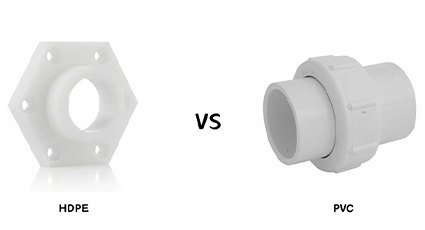
HDPE and PVC are two of the most commonly used thermoplastics. Although they both present a dense.

HDPE and PVC are two of the most commonly used thermoplastics. Although they both present a dense.
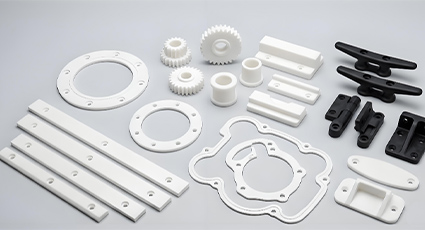
Learn about HDPE material properties and CNC machining tips! This guide covers HDPE advantages, speeds and…
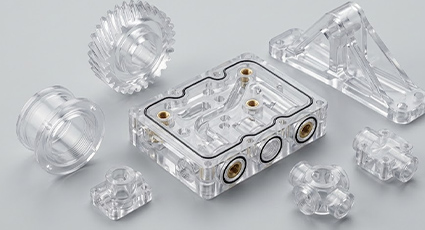
PC parts is highly prone to whitening, cracking, and environmental stress cracking (ESC). This guide…
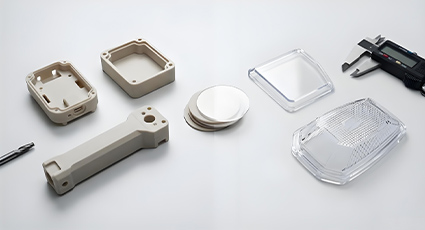
ABS fits cost-sensitive, non-transparent, paint-finished CNC parts; PC fits transparent, high-impact, high…
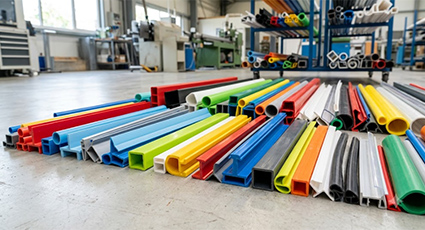
Plastic extrusion forces molten thermoplastic through a shaped die to form continuous profiles, tubes, and…
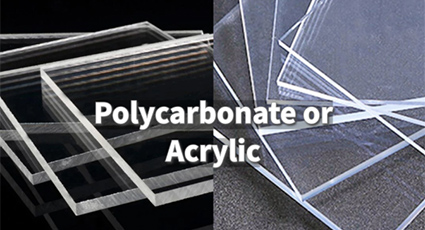
MMA and PC are two popular plastics in CNC machining for transparent parts. Acrylic offers superior optical clarity…
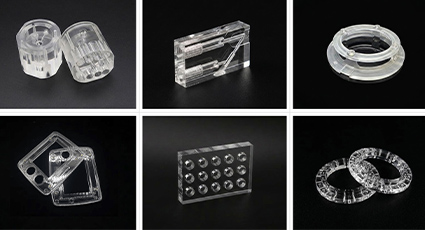
Acrylic CNC machining fails from residual stress and cutting heat, not the cut itself. Dull tools cause surface hazing.
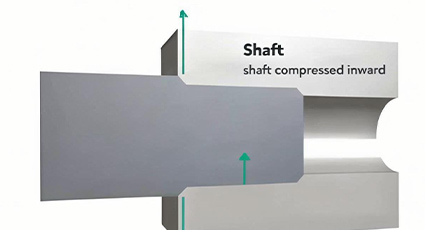
A press fit holds two parts together without fasteners, adhesives, or welds. The holding force comes from…
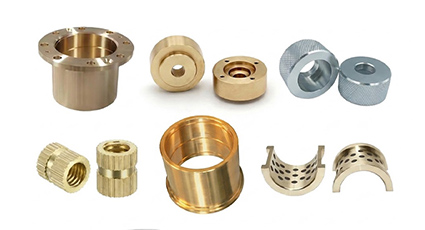
A reliable custom bushing manufacturer must ensure tight tolerance control, material traceability, and…
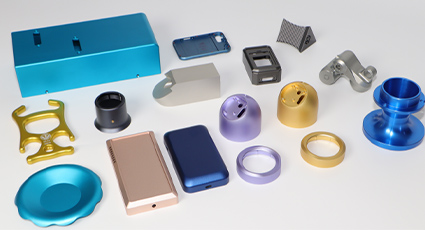
This comprehensive guide covers everything you need to know—including anodizing types, colors, tolerances, alloy compatibility, and critical RFQ details…