Titanium’s low thermal conductivity means heat concentrates at the cutting edge instead of dissipating through the material. Its lower elastic modulus also makes it more prone to flexing under cutting force than steel or aluminum.
As a general guideline:
- Wall thickness below 1mm on unsupported features carries meaningful distortion risk
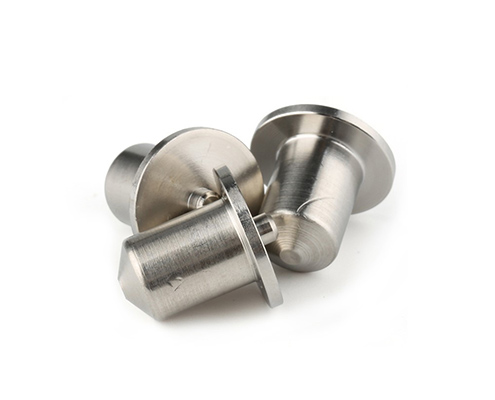
- Length to diameter ratios beyond 8:1 on slender bosses and pins require additional support fixturing
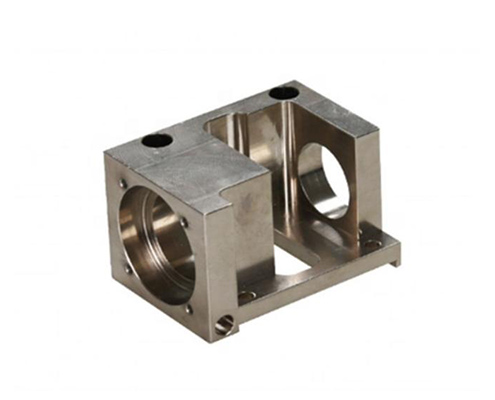
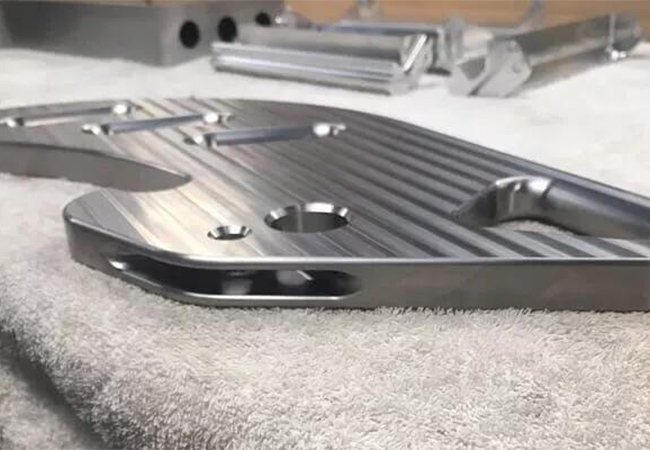
- Deep pocket features without ribbing are more likely to deflect during roughing passes
This doesn’t mean these features are impossible to machine. As a high precision titanium CNC shop, we typically address this with lower cutting speeds, custom fixturing, or minor design adjustments where tolerance allows. Flagging thin walled features during the DFM stage lets us plan machining strategy before quoting, rather than discovering issues during the first production run.
Which Design Choices Have the Biggest Impact on Titanium Part Cost?
Design choices have a direct impact on titanium machining cost, more so than with easier to machine materials like aluminum. Three factors matter most:
- Material removal volume, since deep pockets, thick stock, and large bosses that require heavy roughing directly increase machining time on a slow cutting material
- Wall thickness and unsupported features, since thin walls require slower feeds and lighter cuts to avoid distortion, adding time to the cycle
- Tolerance and surface finish callouts, since tighter tolerances than the part actually needs require additional finishing passes without adding functional value
Reviewing these factors during a titanium CNC service DFM review, rather than after the first quote, is often the most effective way to reduce machining cost without compromising part performance.
Titanium vs Stainless Steel vs Aluminum, How to Decide
Aluminum is the choice when weight reduction matters more than absolute strength, and the operating environment isn’t highly corrosive. It machines faster and costs less than titanium, making it a practical option for structural components that don’t face extreme mechanical or chemical stress.
Stainless Steel works well when strength and corrosion resistance both matter but weight isn’t a constraint. For most general environments, stainless steel delivers comparable corrosion performance to titanium at a lower material and machining cost, which is why it remains the default choice for many industrial components.
Titanium becomes the right call when a part needs high strength to weight ratio, corrosion resistance in demanding environments, and mechanical stability at elevated temperature, all at once. As an alloy titanium CNC machining service manufacturers, we help customers confirm whether their application genuinely requires titanium or whether aluminum or stainless steel would meet the requirement at lower cost.
| Property | Aluminum (6061) | Stainless Steel (316) | Titanium (Grade 5) |
|---|
| Density | 2.70 g/cm³ | 8.00 g/cm³ | 4.43 g/cm³ |
| Tensile Strength, Yield | 276 MPa | 205 MPa | 880 MPa |
| Strength to Weight Ratio | 102 kN·m/kg | 26 kN·m/kg | 199 kN·m/kg |
| Max Operating Temperature | 150°C | 425°C | 600°C |
| Relative Machining Cost | 1x (baseline) | 2 to 3x | 4 to 6x |