Excess Burrs on PVC Parts? Here’s How to Handle Them.
Here’s how we keep burrs off your parts before they ever leave our facility.
- Manual deburring under microscope: After machining, every edge is inspected and deburred by hand under magnification. This catches the fine burrs that automated processes often miss, especially along internal corners, drilled holes, and tight radii where standard deburring tools can’t reach cleanly.
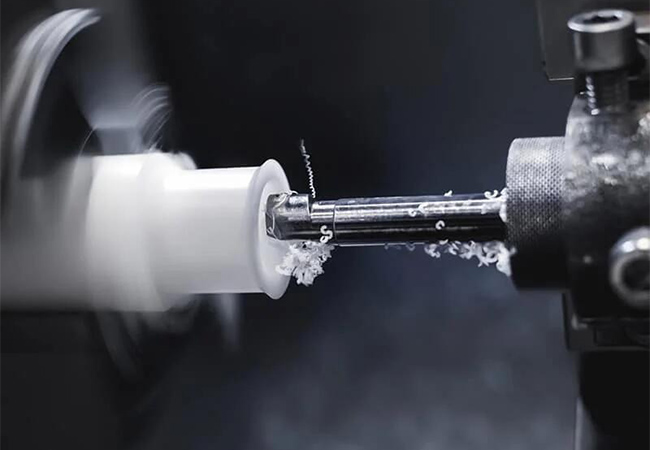
- Tool sharpness control: Dull cutting tools are one of the most common causes of burr formation in pvc cnc machined parts. We monitor tool wear and replace tooling on a fixed schedule rather than waiting for visible damage, keeping cutting edges sharp throughout the entire production run and reducing burr formation at the source instead of relying on cleanup afterward.
- Ultrasonic cleaning: Once deburring is complete, parts go through ultrasonic cleaning to remove residual chips, dust, and fine particles that hand inspection alone can sometimes miss, leaving surfaces genuinely clean before they move to final checks.
- Final visual and tactile check: Before packaging, every part goes through a final pass to confirm edges are smooth to the touch and free of residual flashing, so what you receive is ready for assembly straight out of the box, without additional cleanup or rework on your end.
What’s the difference between PVC Type I and Type II?
Type I and Type II are both grades of rigid PVC-U, the same category we cover in our material properties section. They’re not a separate classification from rigid versus flexible PVC, but a more specific way of distinguishing rigid PVC based on impact resistance and chemical resistance trade-offs.
PVC Type I offers the highest chemical resistance and tensile strength of the two, but with lower impact resistance. It’s commonly used in applications like chemical tanks, valves, and fittings where resistance to corrosive substances matters more than resistance to impact.
PVC Type II trades some chemical resistance for significantly better impact resistance, making it a better fit for applications where parts may experience mechanical stress, handling, or occasional impact during use