Acrylic vs Glass: Which Material Is Right for Your Precision Parts?
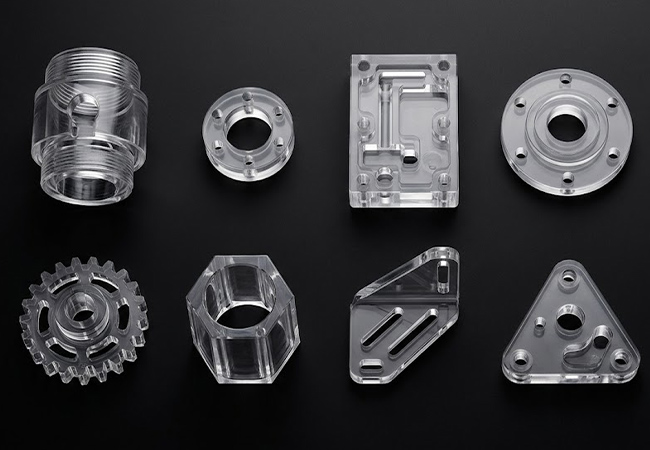
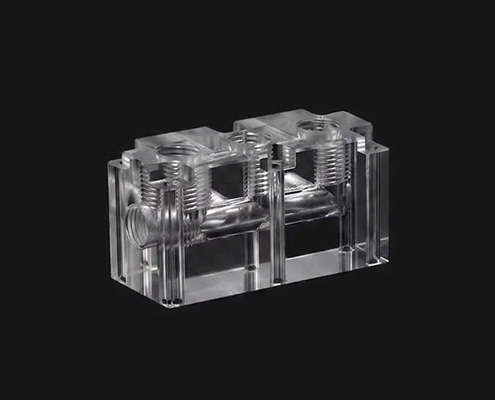
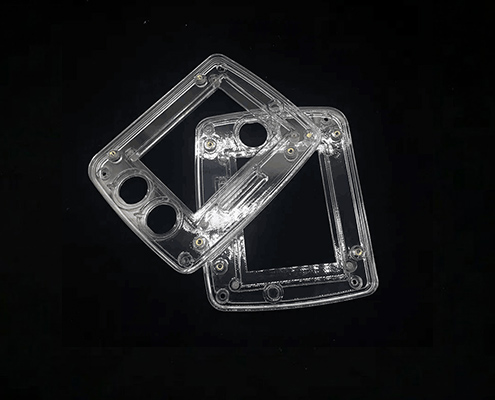
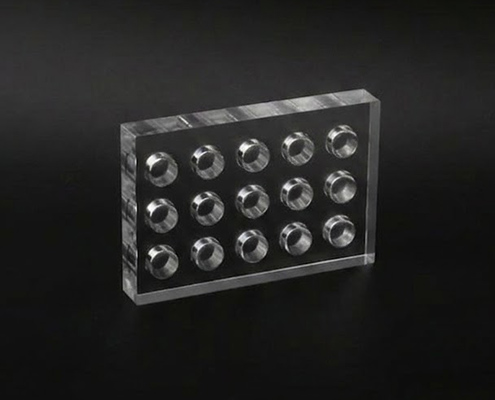
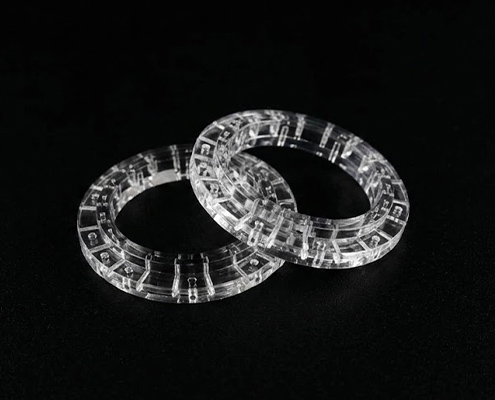
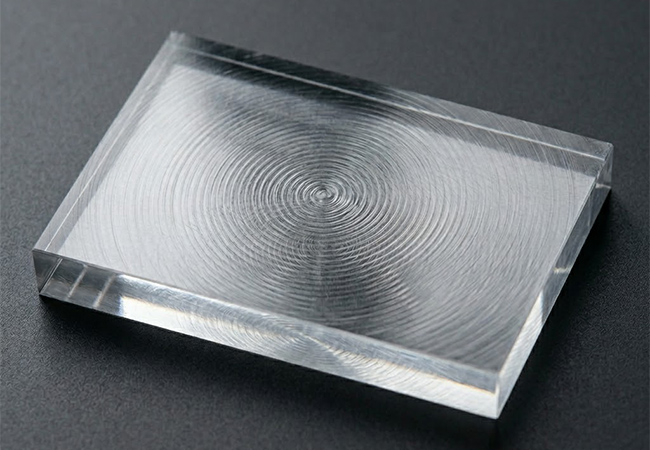
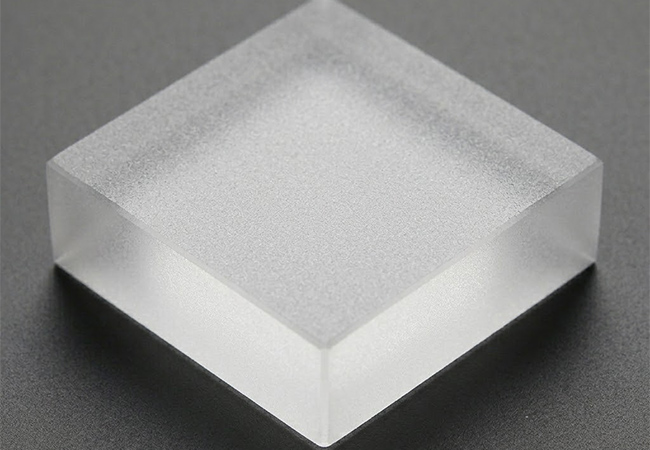
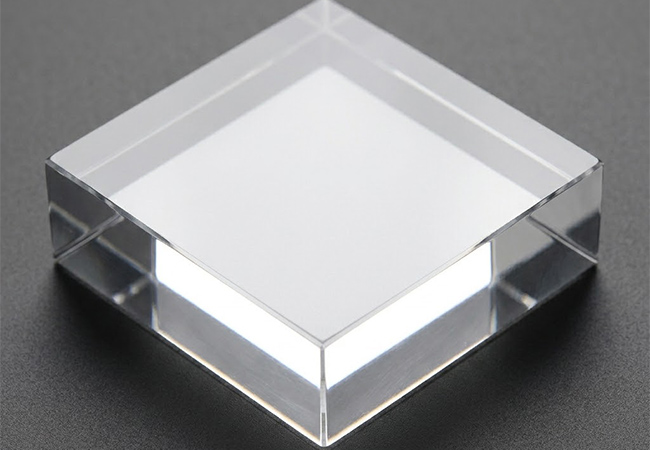
Acrylic and glass share similar optical clarity, but differ significantly in weight, machinability, and impact resistance. For most precision part applications, acrylic offers practical advantages that glass cannot match.
| Property | Acrylic (PMMA) | Glass |
|---|
| Weight | Light (1.18 g/cm³) | Heavy (2.5 g/cm³) |
| Light Transmittance | 92% | 90% |
| Impact Resistance | 10x stronger than glass | Brittle, shatters on impact |
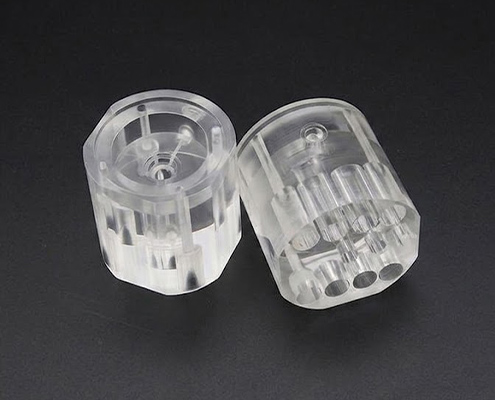
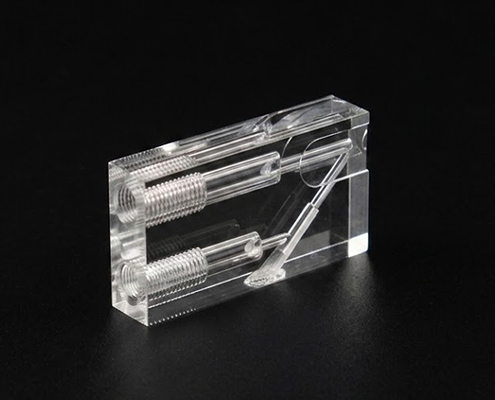
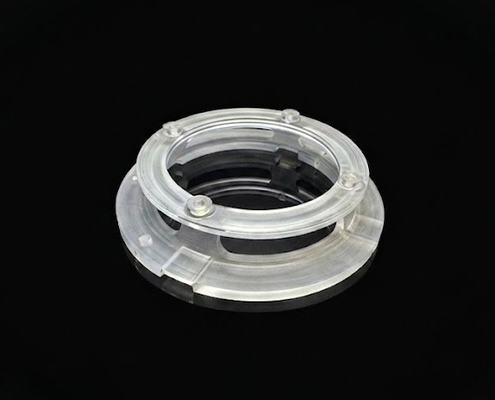
| Machinability | CNC machinable to ±0.01mm | Difficult to machine precisely |
| Cost | Lower | Higher |
| Chemical Resistance | Moderate | High |
For applications requiring lightweight, tight tolerances, and complex geometries, acrylic is the preferred choice. Glass remains suitable where extreme chemical resistance or high-temperature performance is the priority.
Chemical Compatibility Warning: What Acrylic Cannot Withstand
Acrylic performs well in most industrial environments, but contact with certain chemicals can cause surface crazing, stress cracking, or complete structural failure. Before specifying acrylic for your application, verify that your operating environment does not involve the following:
Avoid exposure to:
- Acetone and ketone-based solvents
- Alcohol-based cleaners and isopropyl alcohol
- Aromatic hydrocarbons such as benzene and toluene
- Strong acids and alkalis
- Chlorinated solvents
Acrylic is generally compatible with water, mild detergents, and diluted inorganic acids. If your application involves chemical exposure, consider polycarbonate (PC) as an alternative. Our engineering team can advise on material selection as part of the DFM review process.