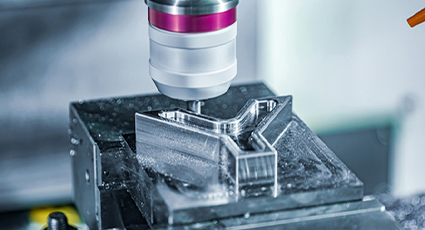
Climb milling and conventional milling are two types of milling, the key difference is that these two ways hold different cutting directions. Climb milling…

Climb milling and conventional milling are two types of milling, the key difference is that these two ways hold different cutting directions. Climb milling…
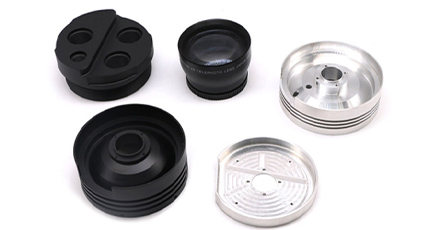
To help you identify the ideal custom camera parts , this article provides a detailed review of the Top 10 CNC camera accessory manufacturers in China.
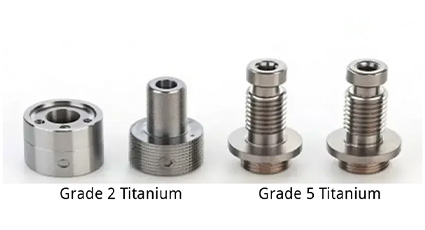
Grade 2 titanium is softer but has higher ductility, while grade 5 titanium is stronger but priced almost twice as much as grade 2.
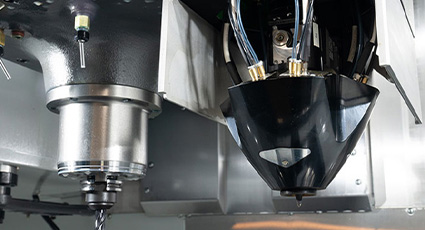
Hybrid manufacturing, which can give you the benefits of higher efficiency, flexibility, and high precision for key portions.
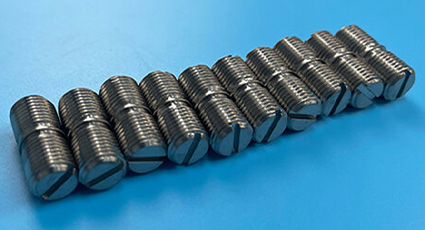
Suppose there is a metal which has a strength…
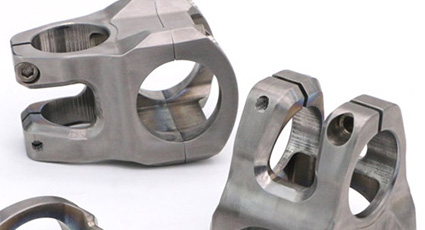
Grade 5 titanium is definitely one of your options for high performance uses in aerospace, medical, bicycle…
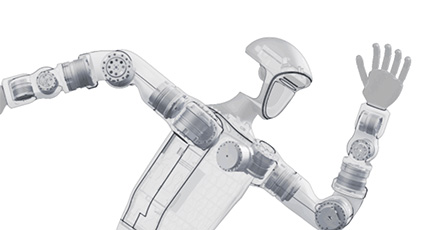
2026 best 10 robot parts manufacturers in China, ranging from core drive systems to robotic arms, explore this list…
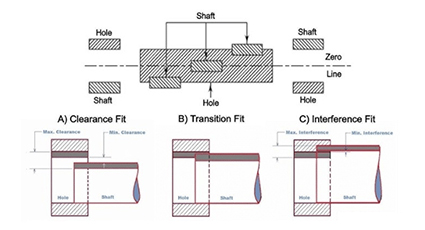
Types of Fit in Engineering include Clearance for free rotation, Transition for precise alignment, and…
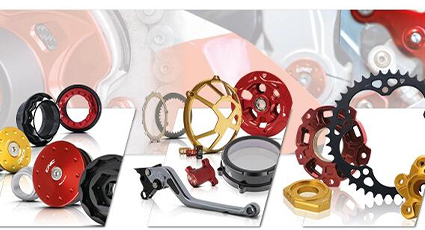
what you will overview Top 10 Racing Parts Manufacturers in China 2026 in this blog must has these characteristics being selected in the list
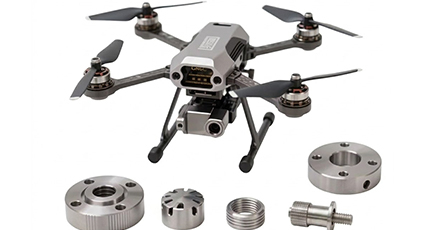
We share top 10 drone parts manufacturers in China and what makes each of them unique.