Comprehensive Guide to Rapid Prototyping Methods: Types, Comparison and Selection
By JunWen Liu | Sept. 03, 2026
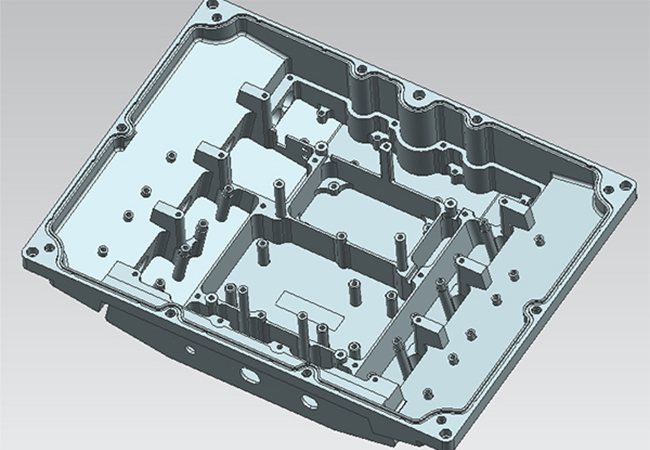
For modern metal or plastic product design, the journey begins with a prototype concept, followed by selecting the right manufacturing method to produce the components. These prototype parts then go through a continuous loop of “verification, design iteration, remanufacturing, and re-testing” until your team achieves the desired performance. Therefore, understanding rapid prototyping methods and knowing how to apply them is crucial for accelerating product iteration and reducing time-to-market.
However, simply knowing the definitions of these methods isn’t enough. This blog will walk you through practical selection guidelines based on material requirements, cost, lead time, environmental durability, testing objectives, flexibility, and more. Finally, we’ll share a real-world case study on how we helped a client complete rapid prototyping for their gamepad components with a fast turnaround.
There are primarily five types of rapid prototyping methods, each with its own unique characteristics. This section provides a clear and simple overview of these methods for a quick glance:
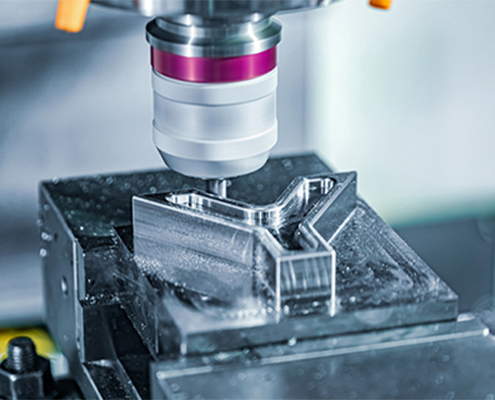
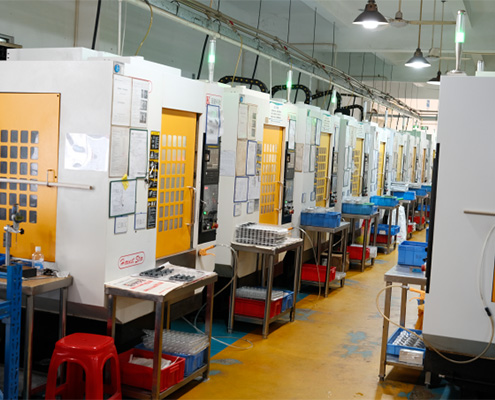
CNC machining is a subtractive manufacturing process that uses various cutting tools to cut, drill, and mill a block of metal or plastic into the designed shape. The movement path of these tools is controlled by computer programs. The biggest advantage of CNC rapid prototyping is its ability to achieve high precision (up to ±0.01 mm) while maintaining the material’s original structural integrity. Generally, for high-precision metal or engineering plastic prototypes intended for mechanical, pressure, functional, or aesthetic testing, this is an excellent choice for producing high-quality samples.
3D printing is an additive manufacturing method that builds prototypes layer by layer from liquid, filament, or powder materials to form the desired shape. It is a very popular method because it is relatively cost-effective and ideal for proof of concept (PoC).
This is like:
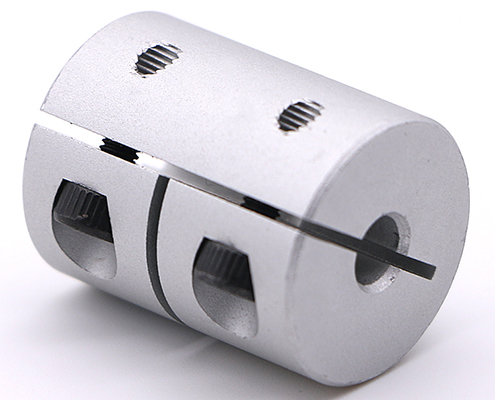
Here are several common 3D printing technologies used in the rapid prototyping process:
| 3D Printing Technology | Full Name | Material Types | Key Strengths | Best Used For |
| FDM / FFF | Fused Deposition Modeling | Thermoplastics (PLA, ABS, PETG) | Lowest cost, fast turnaround | Early-stage concept models, quick fit tests |
| SLA | Stereolithography | Photosensitive Resins | High detail, smooth surface finish | Visual prototypes, aesthetic models, master patterns |
| SLS / MJF | Selective Laser Sintering / Multi Jet Fusion | Nylon Powders (PA12, PA11) | High structural strength, no support structures needed | Complex geometries, functional testing, low-volume production |
| DMLS / SLM | Direct Metal Laser Sintering | Metals (Aluminum, Stainless Steel, Titanium) | High density, excellent mechanical properties | Functional metal prototypes, aerospace and medical components |
This method is also commonly known as Vacuum Casting. It is suitable for simulating engineering plastics such as ABS, PP, PC, PMMA (acrylic), and rubber-like elastomers using polyurethane resins. Instead of using expensive traditional steel molds, this process uses flexible silicone molds inside a vacuum chamber to produce high-quality plastic parts at a lower cost.
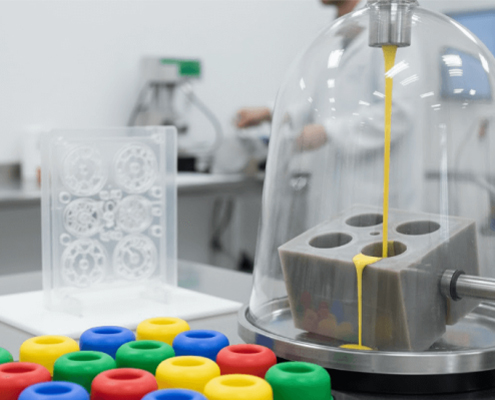
This method is also designed for manufacturing plastic prototypes, but unlike vacuum casting, it uses temporary metal molds made from soft steel or aluminum. It offers short lead times and lower tooling costs compared to full production molds. Additionally, it uses production-grade plastics and is suitable for bridge production or low-volume runs (e.g., hundreds of parts).
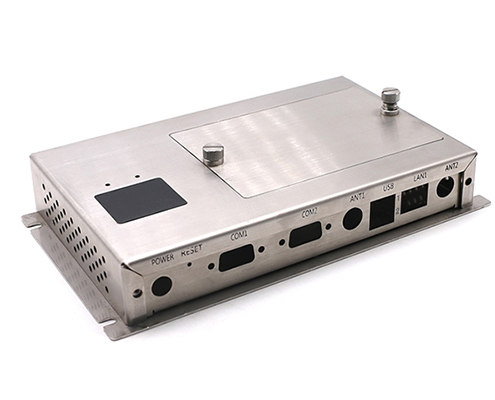
Sheet metal prototyping is a specialized fabrication process designed for creating custom metal enclosures, brackets, and structural components. It involves techniques such as laser cutting, CNC punching, bending, and welding to form thin metal sheets (typically aluminum, stainless steel, or copper) into functional prototypes. This method is ideal for testing structural integrity, heat dissipation, and assembly fit before transitioning to mass production.
As we’ve discussed in the last section, you could have the impression that:
The table below provides a comprehensive comparison of the prototyping technologies based on supported materials, precision, mechanical performance, unit cost, and lead time.
| Prototyping Method | Materials Supported | Precision & Surface Finish | Mechanical Strength | Unit Cost & Lead Time |
| Prototyping CNC Machining | Wide range of metals (Aluminum, Stainless Steel, Brass, Titanium) and plastics (ABS, POM/Delrin, PC, PEEK). | Precision: Outstanding (tolerances up to ±0.01 mm). Surface Finish: Excellent; highly suitable for post-processing (anodizing, polishing). | High to Very High: Uses solid extruded blocks, retaining the raw material’s properties. | Unit Cost: Moderate to High. Lead Time: Fast (3–7 business days). |
| Prototyping 3D Printing (Additive) | FDM: Thermoplastics (PLA, ABS, PETG). SLA: Resins. SLS/MJF: Nylon powders. DMLS: Metal powders. | Precision: Moderate to High (±0.05 mm to ±0.2 mm). Surface Finish: Ranges from layered (FDM) to extremely smooth (SLA). | Low to High: FDM parts have layer weakness; SLS and DMLS offer strong functional performance. | Unit Cost: Low (Ideal for 1–5 pieces). Lead Time: Extremely Fast (1–3 business days). |
| Urethane Casting | Polyurethane resins that simulate production plastics (ABS, PP, PC) and elastomers (Rubber-like). | Precision: Moderate (±0.15 mm to ±0.2 mm). Surface Finish: High; accurately replicates master pattern texture (matte, glossy, or textured). | Moderate: Great for functional and visual tests, though slightly below molded parts. | Unit Cost: Moderate. Lead Time: Fast (7–10 business days including pattern making). |
| Prototyping Rapid Injection Molding | Thermoplastics (ABS, PC, PP, Nylon, POM, TPE) with optional additives. | Precision: High (tolerances up to ±0.02 mm to ±0.05 mm). Surface Finish: Matching standard SPI mold finishes. | Very High: Identical to full-scale production parts with uniform structural density. | Unit Cost: Moderate. Lead Time: Moderate (2–3 weeks for aluminum tooling and samples). |
| Sheet Metal Prototyping | Sheet metals including Aluminum, Stainless Steel, Carbon Steel, Copper, and Brass. | Precision: Moderate to High (bending tolerances typically ±0.2 mm to ±0.5 mm). Surface Finish: Good. | High to Very High: Excellent structural rigidity and durability, especially for load-bearing and heat-dissipating parts. | Unit Cost: Moderate. Lead Time: Fast (3–5 business days). |
Besides choosing a suitable rapid prototyping method based on the unique features of each technology, you can also identify the ideal option by evaluating several key operational criteria. Analyzing your project through these seven lenses will help you balance technical requirements, cost, and lead time efficiently.
For metal and engineering plastic parts, CNC machining and 3D printing are primary choices. A practical approach is to start with lower-cost 3D printing for concept and initial functional validation; if the printed parts fail to meet performance expectations, you can transition to higher-cost, high-precision CNC machining. For structural metal parts or custom enclosures, sheet metal prototyping is another targeted option.
When validating plastic components, Urethane Casting (Vacuum Casting) lets you simulate production-grade plastics, while Rapid Injection Molding allows you to test real engineering resins in medium batch sizes.
One thing you may note is that material substitution is not limited to Urethane Casting, methods like CNC machining, 3D printing, and rapid tooling can also utilize alternative or composite materials to verify specific functions, especially when the final production material is too expensive or difficult to process in early stages.
The quantity needed of prototypes for testing affects the rapid prototyping methods chosen because it can dictate whether the manufacturing cost is economical or not. For 1 to 20 pieces of metal or plastic prototypes, 3D printing or CNC machining offers lower initial cost. For 10 to 100 pieces plastic prototypes, urethane casting becomes far more cost-effective because it utilizes cheap and convenient flexible silicone molds, while rapid injection molding bridges the gap toward mass production of runs exceeding 100 plastic prototypes. Metal enclosures, brackets, and structural components are economical by sheet metal methods no matter the quantity.
The primary objective of your prototypes test purpose dictates which method is to be used. For example, early-stage visual models benefit from SLA 3D printing or urethane casting, which deliver exceptionally smooth surfaces at low costs. Another example is functional, mechanical, or pressure testing demands “keep the structure integrity” processes like CNC machining or SLS/MJF printing. A negative example is using basic FDM 3D printing for fluid or air pressure testing frequently leads to inaccurate results, as microscopic gaps between printed layers tend to leak under pressure.
When CAD files are subject to rapid revisions, additive manufacturing (3D printing) offers maximum flexibility, enabling you to modify models and print updated versions within hours. The CNC machining is also an excellent choice for flexibility and iteration. Sheet metal is not in the complex parts considerations, while rapid injection molding and urethane casting needs time to make new mold when the design changes, so they can be ” not-that-so-flexible”.
Urgent project timelines often override other decision factors. 3D printing provides the fastest turnaround within 24 to 48 hours while CNC machining offers good speed within a few days. Processes requiring tooling, such as urethane casting or Rapid Injection Molding, typically require 1 to 3 weeks. Another thing to be noted is that secondary operations like manual polishing, painting, or anodizing, as post-processing can add several days to an otherwise quick manufacturing process.
FDM 3D printing is typically the cheapest rapid prototyping method for basic concepts. CNC machining involves higher initial setup costs but remains economical for single high-precision components, while rapid tooling offers lower per-unit costs as volume increases. To avoid budget overruns, ensure you evaluate the total project cost rather than relying solely on the individual unit price, as setup and tooling fees can push low-volume molding projects over budget.
Determine how closely your prototype’s dimensions, tolerances, and mechanical behavior must align with final mass-produced parts. For example, you can choose the rapid injection molding for ABS plastic parts when your final actual parts are also the ABS, or you can choose the urethane casting for simulations for cost saving if the “Match Level of Prototypes vs the Actual Products” is not too strict. Another example is that the actual production is decided by using casting methods with cast aluminum AlSi10Mg for cost effectiveness, but in the rapid prototyping, it is using the similar 6061 aluminum to be CNC machined to complete the prototype test.
How We Helped a Client Complete Rapid Prototyping for Their Gamepad Components with a Fast Turnaround.
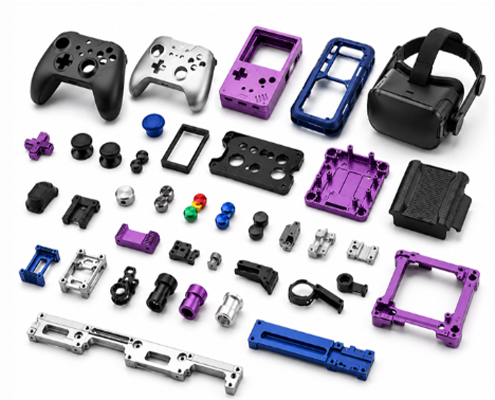
A client approached our engineering team with detailed 2D and 3D CAD drawings for a new gaming gamepad. They required a prototype to validate both aesthetic appeal and mechanical performance within a strict 5-day turn-around time. The client set strict acceptance criteria: tighter tolerances of ±0.02 mm for internal button housing, an ultra-smooth surface finish (Ra 0.8 µm) for the outer shell, high structural integrity to pass drop tests, and an authentic, ergonomic hand-feel matching their target production resin (ABS/PC blend).
Based on these specific requirements, our team recommended CNC Machining Prototype Manufacturing. Unlike 3D printing, which introduces anisotropic layer weaknesses, or urethane casting, which uses simulated resins, CNC machining carves components directly from solid extruded plastic blocks. This approach preserved 100% of the raw material’s mechanical strength, ensuring the prototype would behave identically to a production part during testing.
During the manufacturing phase, our engineers first conducted a Design for Manufacturability (DFM) review and offered practical structural suggestions, including slightly increasing internal corner radii, to allow faster 5-axis tool paths without compromising structural fit. We then precision-milled the chassis, applied a fine bead-blasting treatment to remove tool marks, and finished it with a custom matte soft-touch coating to match the exact tactile feedback requested.
The prototype met every tolerance spec on the first attempt and passed all 1.5-meter drop tests, delivering the exact hand-feel the client envisioned. Impressed by the quality and the on-time 5-day delivery, the client later placed a volume production order of 450 units for early market testing and end-user feedback. Following the success of the market release, the client has continued to partner with us for their subsequent design iterations and batch of high-quality manufacturing.
Selecting the right rapid prototyping method is about choosing the process that best aligns with your current design stage, performance requirements, and budget constraints. In this blog, we also covered several critical selection factors, including material parity, quantity, lead time, and design flexibility, to help you evaluate your project’s unique needs. Whether you need a low-cost 3D-printed visual model, high-precision CNC metal components, or low-volume polyurethane castings, understanding these trade-offs ensures smoother iterations and accelerates your journey from concept to full-scale production. Still confused about which prototyping process fits your project, or looking for a fast, reliable manufacturing solution? Contact our engineering team today or upload your drawings to receive an instant quote and free DFM feedback! [2D Drawings (PDF files), 3D Drawings (IGS/STP/STEP files)]
 WhatsApp/WeChat/Mobile:
+86-15099911516
WhatsApp/WeChat/Mobile:
+86-15099911516 Tel: 86-150-9991-1516
 QQ: 939020977
 E-Mail: service@vimetal.com.cn


What are the main differences in rapid prototyping vs traditional prototyping?
Rapid prototyping uses direct CAD data to fabricate parts within days for quick design iterations, whereas traditional prototyping often requires manual craftsmanship or expensive hard tooling that takes weeks or months.
Which process is considered the cheapest rapid prototyping method?
FDM 3D printing is typically the cheapest rapid prototyping method for early-stage visual models due to low material costs and zero setup fees.
What are the primary pros and cons of prototype CNC machining?
The main pros of prototype CNC machining are exceptional precision, smooth surface finishes, and authentic material strength, while the primary cons are higher initial setup costs and material waste compared to additive processes.
When should you choose CNC aluminum prototypes for their projects?
CNC aluminum prototypes are ideal when testing structural components that require superior heat dissipation, high strength-to-weight ratios, and tight dimensional tolerances before committing to mass production.
How about CNC prototyping cost and application?
The CNC prototyping cost and application depend on part geometry complexity, material choice, and precision tolerances. It is an economical method for high-performance metal parts, functional testing, and low-volume pre-production runs across various industries like automotive, medical, robotics, electronics, etc..
What alternative rapid prototyping methods can be used if 3D printing is not suitable?
If 3D printing lacks the required strength or surface quality, alternative rapid prototyping methods like CNC machining, sheet metal fabrication, and urethane casting offer optional alternatives for metal and plastic rapid prototyping.
 Written By JunWen Liu
JunWen Liu holds a Mechanical Engineering degree from Esslingen University of Applied Sciences and spent seven years as a CNC Process Engineer, accumulating extensive hands-on experience. She now shares that knowledge through her writing, drawing from real problems she encountered on actual projects. Outside of work, she enjoys hiking and is always chasing the next summit view.

 CNC Prototyping Cost Guide: How to Estimate, Breakdown, and Reduce Your Bud...