A Guide to Prototype CNC Machining: Definition, Advantages and Disadvantages, and Use
Last updated on September 3, 2026
Last updated on September 3, 2026
Product development often stalls when prototypes lack precision or arrive late. The result is delayed launches, increased costs, and missed opportunities. Prototype CNC machining delivers speed, accuracy, and consistency to keep projects on track.
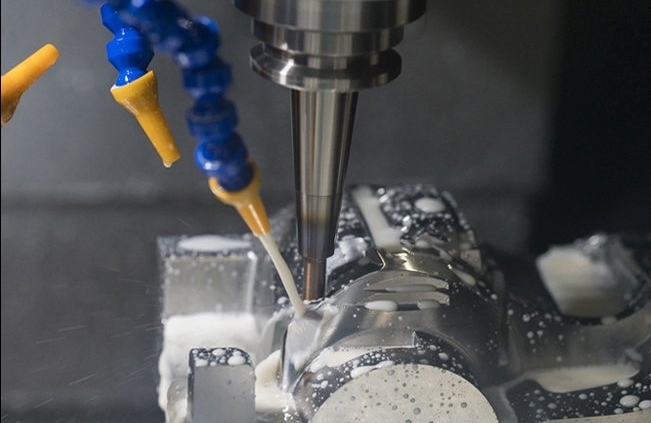
Prototype CNC machining is a manufacturing process that creates highly accurate prototypes from metals or plastics using computer-controlled machines. It offers quick turnaround, supports complex designs, and is widely used in industries like electronics, medical, and automotive.
Let me take you on a journey to explore the basics of prototype CNC machining and how it can benefit your projects.
Prototype CNC machining is the process of producing physical models or prototype machined parts from CAD designs using automated cutting tools. Unlike mass production CNC machining, this process focuses on flexibility, precision, and speed to verify product designs before large-scale manufacturing.
With CNC prototyping and machining prototyping, engineers can create CNC machined prototypes that match the final product’s form, fit, and function, making it ideal for functional testing, design validation, and marketing samples. Leveraging this approach, VMT provides high-precision prototype CNC machining services, utilizing advanced 3-, 4-, and 5-axis CNC equipment to produce prototypes in a wide variety of metals and plastics. Whether for a single functional part or a small batch of pre-production samples, VMT delivers prototypes ready for testing, validation, and presentation.

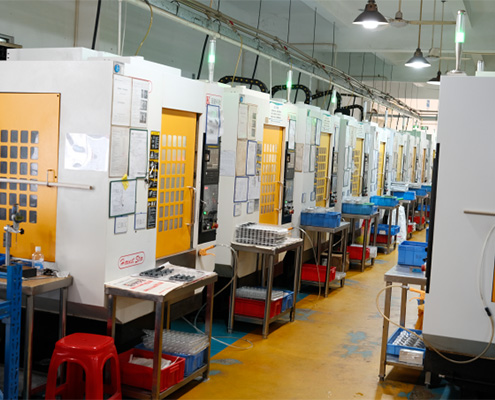
The workflow of CNC prototype machining involves multiple steps to ensure accuracy and high-quality results. VMT uses advanced 3-, 4-, and 5-axis machines to make accurate prototypes quickly for many industries.
Engineers start by creating a detailed 3D CAD model of the part or product. This model defines every dimension, feature, and surface finish requirement. At this stage, designers may run simulations to check for potential design flaws before moving to production.
The CAD model is imported into CAM software, which generates the G-code — the precise set of instructions the CNC machine will follow. This includes tool paths, spindle speeds, feed rates, and cutting sequences, ensuring the machining process is optimized for efficiency and accuracy.
The chosen raw material is secured on the machine bed. Depending on the design, CNC milling, turning, drilling, or a combination of processes is used to remove material and form the prototype. For complex geometries, 4-axis or 5-axis CNC machines allow for multi-angle machining without repositioning the workpiece.
Once machining is complete, the part undergoes dimensional inspection using tools such as calipers, micrometers, or advanced CMM. This ensures the prototype matches the CAD specifications and meets required tolerances, often down to microns. VMT has strict quality checks and can provide reports.
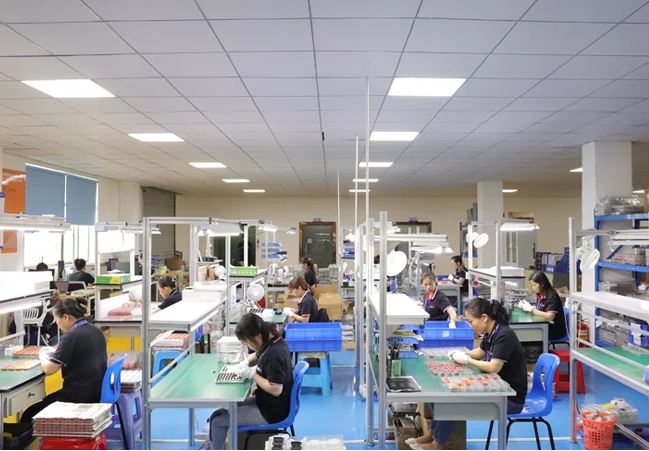
After inspection, secondary processes like polishing, bead blasting, anodizing, powder coating, or painting are applied. These not only improve appearance but can also enhance durability, corrosion resistance, and functional performance.
CNC machining offers precise and reliable prototyping solutions but also comes with certain limitations.
| Advantages | Description | Disadvantages | Description |
|---|---|---|---|
| High precision for CNC prototypes | CNC machines achieve extremely tight tolerances, ensuring parts closely match the original design. | Higher setup cost compared to some rapid prototyping methods | Initial tooling and programming costs can be relatively high, especially for single or small runs. |
| Consistent quality in machined prototypes | Automation reduces variability, producing uniform parts batch after batch. | Limited cost efficiency for extremely large production volumes | For mass production, other methods like injection molding are more cost-effective. |
| Ability to handle complex geometries | Advanced multi-axis machines can create intricate shapes in one setup without repositioning. | — | — |
| Fast lead times for urgent projects | CNC machining can quickly move from design to finished prototype, suitable for tight deadlines. | — | — |
Prototype CNC machining offers great precision and flexibility, but it also comes with several common challenges. Understanding these obstacles and knowing how to address them can save time, reduce costs, and improve the final outcome. Below are key challenges frequently encountered during prototyping, along with practical solutions.
Frequent Design Changes
Prototype development is iterative by nature. Design modifications often arise as engineers refine concepts, which can complicate programming and setup.
Challenge: Rapidly adapting CNC programs and tooling to accommodate new designs without causing delays or excessive costs.
Solution: Implement flexible programming and modular tooling strategies. Foster close communication between design and manufacturing teams to anticipate changes early.
Material Shortages
Securing the right materials on time is critical, but supply chain disruptions can create shortages or delays.
Challenge: Delays caused by unavailable or backordered materials.
Solution: Establish multiple suppliers and identify alternative materials during the design phase. Maintain inventory buffers for frequently used materials.
Cost Control
Managing expenses is essential, especially when complex parts or multiple iterations increase machining time and resource use.
Challenge: High costs from long machining cycles, tool wear, and inefficient designs.
Solution: Optimize designs for manufacturability, simplify features where possible, and collaborate with machining experts to balance quality and cost. Utilize advanced CAM software to streamline operations.
Maintaining Tight Tolerances
Achieving precise dimensions is often crucial but can be technically challenging, particularly with complex geometries.
Challenge: Consistently meeting strict dimensional requirements to ensure prototype functionality.
Solution: Use high-quality CNC machines and skilled operators, conduct regular calibration, and apply rigorous inspection methods. Employ multi-axis machining to reduce repositioning errors.
Prototype CNC machining plays a crucial role across various industries by enabling fast, precise, and functional part production during the development phase. Here are some of the main sectors benefiting from these services:
Medical Equipment Development
In medical device manufacturing, prototypes must meet stringent reliability and safety standards. CNC machining allows for producing highly precise parts such as surgical instruments, implants, and diagnostic equipment components. These prototypes undergo rigorous functional testing and validation to ensure patient safety and regulatory compliance.
Automotive Design
Automotive engineers rely on CNC prototyping to create functional parts for performance testing, fitment checks, and durability assessments. This process supports the development of engine components, brackets, housings, and interior parts, helping reduce design flaws before mass production.
Optical and Electronic Products
Industries like optics and electronics demand prototypes with extremely high surface quality and tight tolerances. CNC machining enables the production of lenses, housings, connectors, and circuit components that meet both aesthetic and functional requirements, ensuring optimal device performance.

Industrial Equipment Prototyping
Heavy machinery and industrial tools require prototypes for mechanical validation and stress testing. CNC machining produces durable, accurate prototypes from metals or engineered plastics that simulate final product conditions, allowing manufacturers to verify designs under real-world operational stresses.
We specialize in cnc prototype service with 3 day delivery, tolerances of 0.005 mm, and surface finishes matching high standards. Our prototype cnc machining services serve industries from electronics to medical equipment. With six senior engineers offering free design optimization and two surface treatment specialists, VMT ensures every cnc machining prototype meets stringent quality benchmarks.
What is CNC Product Type?
A CNC product type refers to items manufactured using Computer Numerical Control machines. These products include precision parts made from metals or plastics, ranging from simple components to complex shapes. CNC product types cover automotive parts, medical devices, electronics enclosures, and industrial equipment components, all requiring high accuracy and repeatability.
What Do Prototype Design Machinists Do?
Prototype design machinists translate CAD models into physical parts using CNC machines. They program machines, select tools, and adjust settings to achieve precise dimensions and finishes. Their role includes troubleshooting, refining prototypes, and collaborating with engineers to ensure the prototype meets design specifications before mass production.
When is it Best to Use CNC Machining for Prototypes?
CNC machining is best for prototypes requiring high precision, complex geometry, and durable materials. It’s ideal when functional testing or fit validation is critical. When fast turnaround, repeatability, and close-to-final appearance are needed, prototype CNC machining outperforms other prototyping methods like 3D printing or casting.

 Sheet Metal Prototyping: Precision Engineering Guid