PTFE vs Teflon: What Is the Real Difference? Cost Risks & Coating vs Solid
By JunWen Liu | Nov. 19, 2026
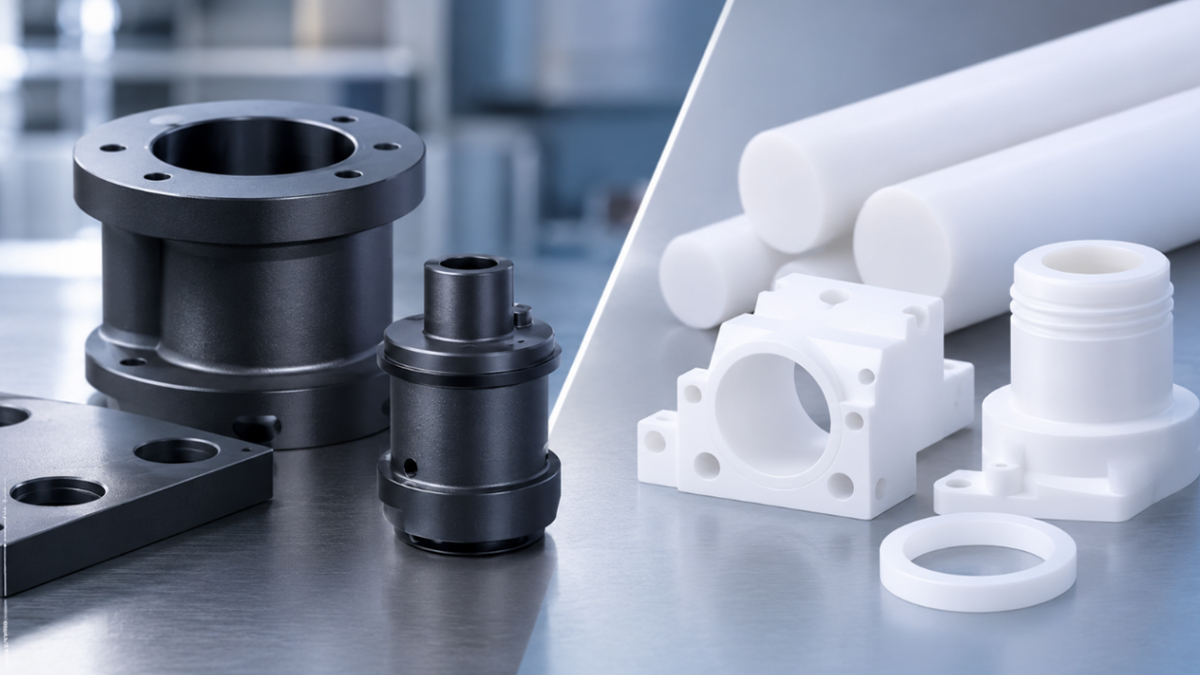
Are PTFE and Teflon truly the same thing? Chemically speaking, they are identical. In their solid state (as sheets or rods), both materials also exhibit the exact same physical properties and machining challenges, such as high susceptibility to stress-relief warping and continuous burr formation. “Teflon” is merely a registered trademark owned by Chemours (formerly DuPont). The real difference comes down to cost and procurement compliance: specifying “Teflon” on an engineering drawing signals a rigid requirement for brand traceability and original certifications (CoA/CoC). In the Chinese CNC machining supply chain ( as our plant is located in Shenzhen, China) , this asks machine shops to source premium imported stock, driving raw material costs up by 30% to 100% for virgin PTFE, and by 50% to 150%+ for filled grades (e.g., glass-fiber or carbon-filled), often burdened with hefty Minimum Order Quantity (MOQ) thresholds; and these prices will be shown in your quotations.
Beyond branding and cost, it is also essential to distinguish their forms of application:
In the final section, we’ll share a case where our engineering team helped a European semiconductor equipment manufacturer optimize PTFE custom CNC machined Semiconductor Chemical Valve Plug parts, reducing costs by 42% and improving yield to 99.2%.
The first major distinction to make is whether your application requires a surface coating or a solid structural component.
| Surface Coating (Liquid / Powder) | Solid Stock (Rods / Sheets) |
| Applied to metal substrates | Subtractive CNC machining |
| High-temperature curing (baking) | High load capacity & tight tolerances |
| Non-stick & low-friction film | Dimensional structural parts |
In precision manufacturing, PTFE/Teflon is frequently applied as a liquid dispersion or powder spray onto machined metal components, followed by high-temperature curing (baking) to form a thin, functional barrier. Because properties are governed by the fluoropolymer’s chemistry , the coatings deliver many key properties as solid PTFE: an exceptionally low coefficient of friction (down to 0.04), extreme chemical inertness, high dielectric strength, and a wide working temperature range (-180°C to +260°C).
However, applying high-temperature cured coatings to different metal substrates introduces specific engineering considerations:
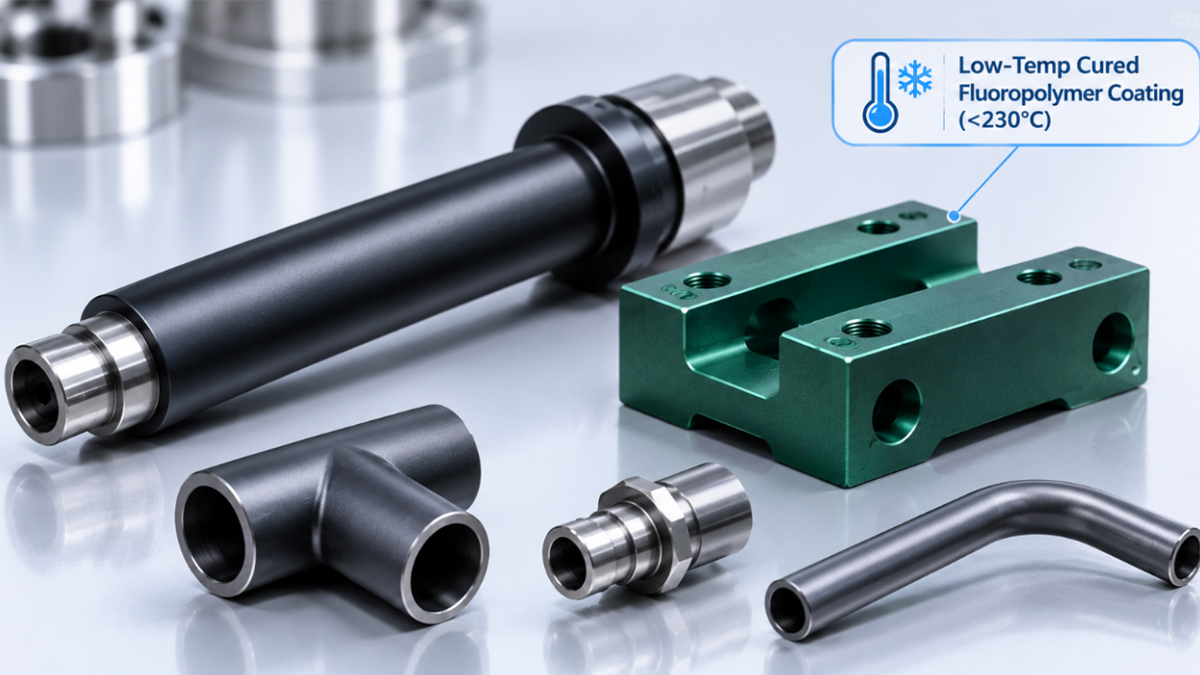
About Prices: In surface treatment (coating) quotations, specifying Teflon™ (original Chemours coating products) on the drawing typically results in a 20% to 60% higher price compared to specifying only a PTFE coating. For certain certified grades, the price can even double.
When your component must carry mechanical loads, maintain dimensional stability, or serve as a standalone sealing element (such as cryogenic valve seats or semiconductor manifolds), a surface coating is insufficient. These parts must be machined from solid extruded or compression-molded PTFE billets to remove the risk of coating peeling, pinholes, or abrasive wear.
For your team procuring custom machined components from Chinese manufacturing hubs (such as Shenzhen and Zhongshan), the cost impact breaks down as follows:
| Material Grade | Raw Material Premium | Supply Chain Risk |
| Virgin PTFE vs. Brand-Name Teflon™ | +30% to +100% | Moderate lead times |
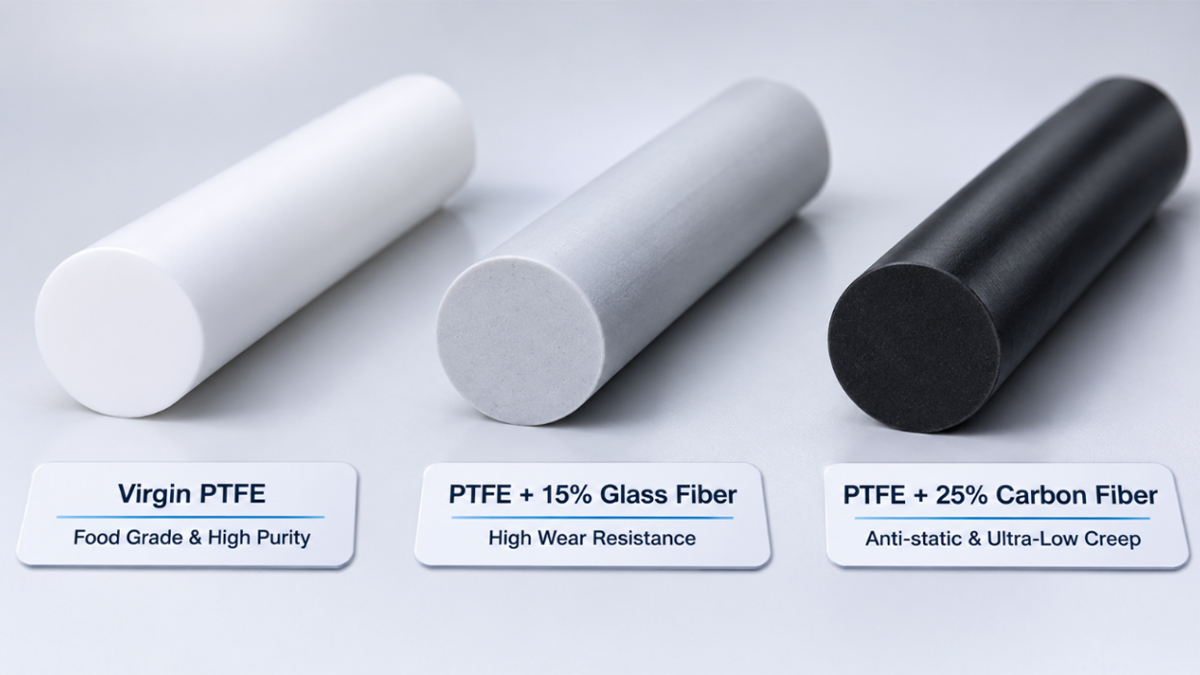
| Filled PTFE vs. Filled Teflon™ (e.g., GF15, CF25) | +50% to +150%+ | High MOQ & long lead times for custom sizes |
Engineering Tip: Unless your regulatory framework or end-customer contract explicitly demands genuine Chemours certification, specify your material as:
Material: Virgin PTFE per ASTM D1710 (Teflon or equivalent approved)
This allows the supplier to deliver compliant performance while avoiding unnecessary brand surcharges.
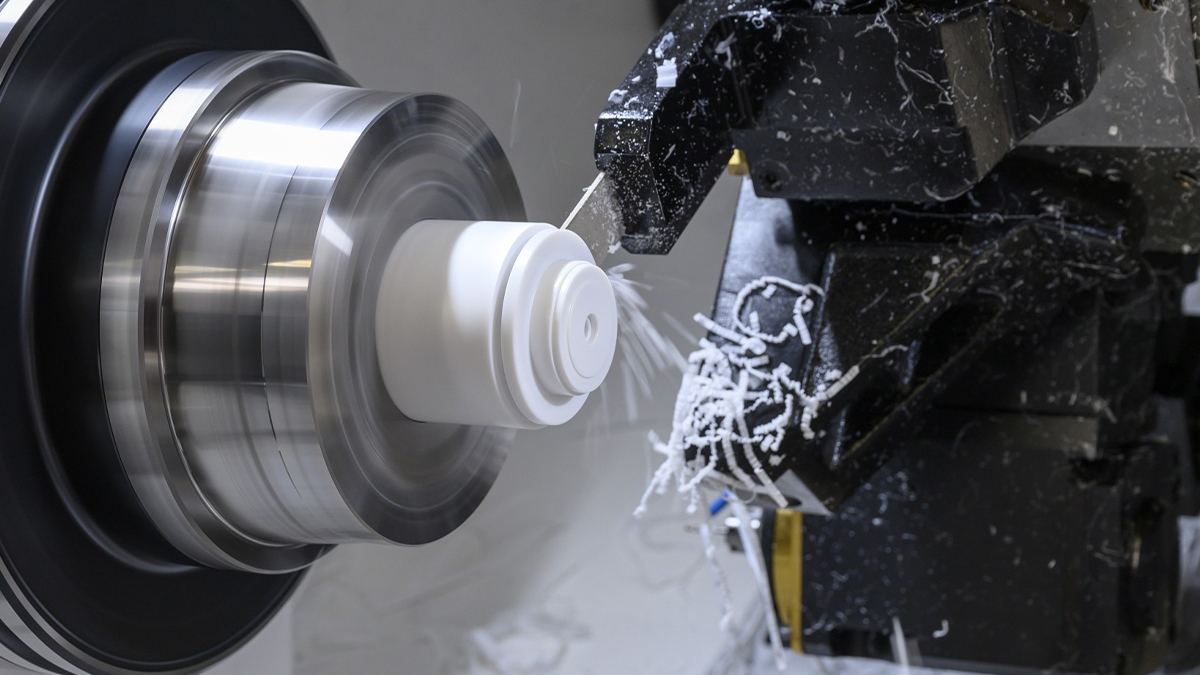
From a machinability standpoint, cutting tools cannot tell the difference between generic PTFE and brand-name Teflon. Both materials exhibit the same viscoelasticity, low surface hardness (Shore D 50–65), and high thermal expansion.
Regardless of whether you choose Teflon or PTFE, your machine shop must overcome the same primary manufacturing challenges:
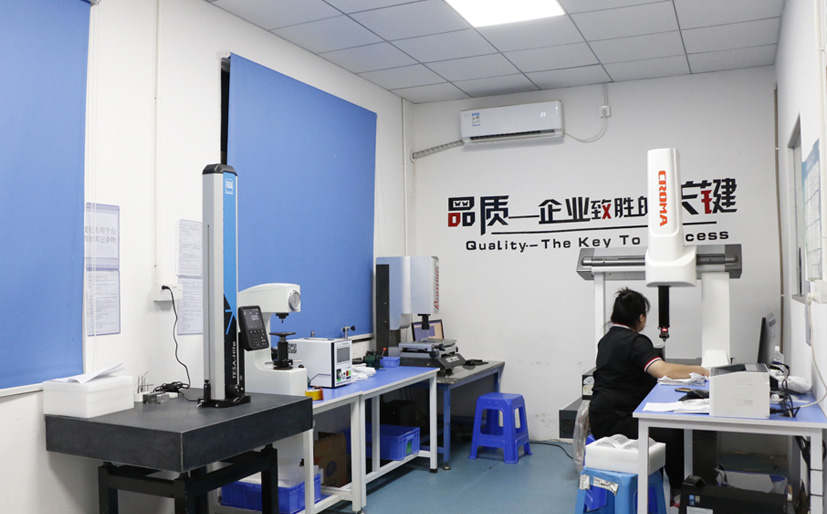
Achieving tight tolerances (down to ±0.025 mm) relies entirely on workshop environmental & quality control, custom soft-jaw fixturing, and staged stress-relief annealing, not on brand-name raw stock.
(For in-depth machining parameters, tolerance controls, and annealing cycles, refer to our comprehensive [PTFE Machining Guide: Properties, Applications, and Engineering Issues]. To discuss your precision prototype or batch project, explore our Custom PTFE CNC Machining Services.)
To avoid unnecessary price inflation and supply bottlenecks, follow these engineering sourcing guidelines:
1.Specify Genuine Teflon
Specifying authentic Chemours Teflon is mandatory under strict contractual and regulatory circumstances:
2.Generic High-Grade PTFE Is the Optimal Choice
For over 95% of industrial applications, including fluid control valve seats, semiconductor wet-etching fittings, corrosive chemical manifolds, wear rings, and high-frequency RF insulators, specifying ASTM-compliant generic PTFE is the smarter engineering choice.
By removing trademark license fees and avoiding the heavy markups of imported stock, sourcing premium generic PTFE directly slashes total component manufacturing costs by 30% to 50% while maintaining identical chemical resistance, thermal stability, and sealing integrity.
Optimizing Sourcing and Precision Machining for a Semiconductor Chemical Valve Plug
Project Background
A European fluid-handling equipment manufacturer required batch production of custom, high-purity chemical valve plugs for a high-temperature semiconductor wet-etching line.
The original 2D drawings specified Chemours Teflon™ PTFE + 15% Glass Fiber (GF15), with critical sealing features requiring a diametrical tolerance of ±0.025 mm and a surface finish of Ra 0.4 µm.
Key Challenges
The previous supplier faced material sourcing and machining difficulties. The brand-specific material requirement resulted in a high MOQ for custom large-diameter rod stock and a 14-week lead time, increasing prototype costs by over 110%.
During trial assembly, clamping-induced bore ovality and residual-stress deformation also contributed to a 22% rejection rate.
Our factory‘s Engineering Solutions
Our team addressed the issues through material specification review and process optimization.
Project Results
The material substitution and machining process improvements delivered the following results:
| Performance Metric | Result |
| Raw Material Cost | Reduced by 42% |
| Lead Time | Reduced from 14 weeks to 18 business days |
| Production Yield | Improved from 78% to 99.2% |
| Helium Leak Test | 100% pass rate at 1.6 MPa |
The project demonstrated how material specification review, controlled clamping, and multi-stage CNC machining can improve sourcing efficiency, production yield, and dimensional consistency for precision PTFE components.
Ultimately, whether you choose “Teflon” or generic PTFE comes down to legal compliance versus manufacturing efficiency. Chemically and physically, they are the same material. For 95% of industrial applications, high-grade PTFE meeting ASTM standards provides identical performance, better availability, and significant cost savings. The quality of your precision part is determined by the manufacturer’s expertise in stress-relief annealing and CNC process control, not by the brand name on the material packaging. Don’t pay for the brand name unless it is contractually mandatory. Facing challenges with cost opitimization, material selection, or dimensional stability, deformation for your PTFE parts? Our factory specializes in high-precision PTFE machining, delivering sub-±0.025 mm tolerances for even the most complex geometries. Send us your 2D drawings (PDF) or 3D files (IGS/STP/STEP files) for a free DFM (Design for Manufacturability) analysis and engineering consultation. We will help you optimize your design for cost-effective manufacturing without sacrificing performance. Get Your Free PTFE or TeflonQuote & Engineering Advice Today.
 WhatsApp/WeChat/Mobile:
+86-15099911516
 Tel: 86-150-9991-1516
 QQ: 939020977
 E-Mail: service@vimetal.com.cn


Q1: Can you CNC machine parts that already have a Teflon coating?
No. CNC machining will destroy the thin coating film. The correct workflow is to precision-machine the metal substrate first (factoring in coating thickness), and then apply the coating as the final step.
Q2: Why does specifying "Teflon" increase my CNC machining quote?
Specifying “Teflon” forces the use of expensive, certified imported raw materials that carry a significant brand premium, higher customs fees, and often strict Minimum Order Quantities (MOQs).
Q3: Is Chinese CNC machined PTFE reliable compared to imported Teflon?
Yes. High-quality Chinese PTFE fully complies with international ASTM standards and FDA food-grade regulations. Its mechanical and chemical performance is identical to brand-name Teflon.
Q4: How do you avoid aluminum warping during PTFE coating?
We utilize low-temperature curing coating formulations (curing below 230°C) combined with pre-coating stress-relief baking to preserve the aluminum’s dimensional stability and hardness.
Q5: Which PTFE grade should I choose for high-load applications?
Use filled grades such as PTFE+15% Glass Fiber or PTFE+25% Carbon Fiber. These additives significantly improve compressive strength and reduce “cold flow” (creep) compared to unfilled Virgin PTFE.
Q6: Why is lead time typically longer for brand-name Teflon parts?
Generic PTFE is readily available in local industrial stock. In contrast, brand-name Teflon profiles often require special procurement from authorized agents and specific lot certification cycles, which extends your overall lead time.