What is Aircraft Grade Aluminum? Complete Guide to Aerospace Alloys
By JunWen Liu | Aug. 21, 2026
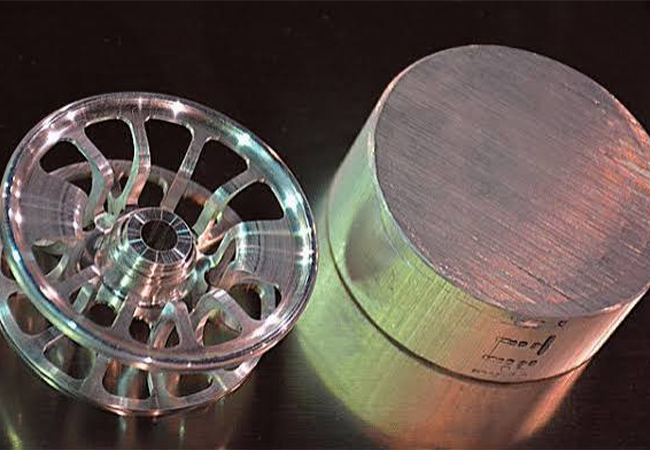

Aircraft aluminum grades vary, offering capabilities ranging from superior fatigue resistance and thick-plate corrosion resistance to ultra-high structural strength. For different aviation aluminum components and operating conditions, selecting the right aerospace aluminum grade is critical. Simultaneously, these aluminum alloys used in aircraft (2014, 2024, 6061, 7050, 7075, 7068) exhibit different levels of machinability during CNC machining or secondary processing. This article covers the key properties, applications, and manufacturing considerations for these aircraft aluminum parts, while providing practical tips for machining, cost reduction, and design optimization. At the end, we will also share a case study of how we solved the warp and the micro-gaps along the sealing joint issues for a client’s drone aluminum EMI enclosures.
This is a very easy concept to understand that some high-performance aluminum alloy grades are widely favored for aircraft parts and UAV (drone) components due to their lightweight nature (essential for aerospace weight reduction) combined with high strength, fatigue resistance, and stress corrosion resistance.
The most common aircraft aluminum grades include 2014, 2024, 6061, 7050, 7075, and 7068. Below, they are listed in order of popularity, highlighting their core aerospace advantages and typical applications (large components are typically produced via die forging or extrusion with assembly, while smaller are usually CNC machined aluminum parts ):
7075 Aircraft Aluminum (Ultra-High Structural Strength): Primary wing spars, landing gear components, and fuselage structural frames; control rod joints, rocker arms, small latches, high-load support brackets, and critical hinge pins.
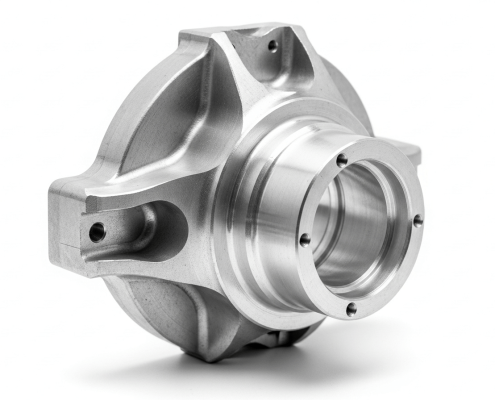
7050 (Highest Stress Corrosion Resistance in Thick Sections): Large fuselage frames and thick-plate structural components; small frame connectors machined directly from thick plates, internal thick-walled angle fittings, etc.
2024 (Best Fatigue Strength): Fuselage skins, lower wing surfaces, and primary load-bearing structures; attachment fittings subject to cyclic tension or vibration, hinges, fuselage reinforcing plates, and high-tensile structural rivets.
6061 (Good All-Around Performance, Easy to Weld): Precision 6061 CNC machined parts, such as instrument panel mounts, air conditioning duct clamps, and cabin interior brackets.
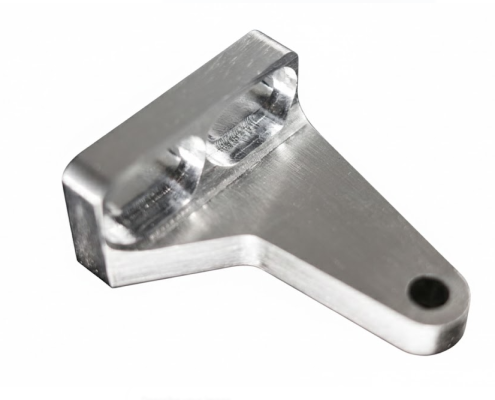
7068 (High Tensile Strength, High Load Capacity): Heavy-duty lugs and pivot pins at wing-to-fuselage joints, landing gear actuator rocker arms; aerospace hydraulic valve blocks, high-pressure pistons, etc.
2014 (Forged High-Hardness Aluminum): Mostly large/heavy aircraft forgings, wheel hubs, and load-bearing connection members; high-stress anti-collision fittings, small heavy-load brake forgings, small wheel assemblies, and high-strength retaining rings.
The following matrix compares these aircraft aluminum grades across core physical mechanical properties, corrosion resistance, machinability ratings, and cost factors:
| Property | 7075-T6 | 7050-T7451 | 2024-T3 | 6061-T6 | 7068-T651 | 2014-T6 |
| Density (g/cm³) | 2.81 | 2.83 | 2.78 | 2.70 | 2.85 | 2.80 |
| Melting Point (°C) | Moderate (477–635) | Moderate (488–630) | Moderate (502–638) | High (582–652) | Moderate (470–635) | Moderate (507–638) |
| Thermal Cond. (W/m·K) | Moderate (130) | Moderate (157) | Moderate (121) | High (167) | Moderate (135) | Moderate (155) |
| Thermal Exp. (µm/m·°C) | Moderate (23.6) | Moderate (23.5) | Moderate (23.2) | Moderate (23.2) | Moderate (23.4) | Moderate (23.0) |
| Tensile Strength (MPa) | Very High (572) | Very High (524) | High (483) | Moderate (310) | Extreme (710) | High (483) |
| Yield Strength (MPa) | Very High (503) | Very High (469) | High (345) | Moderate (276) | Extreme (680) | High (414) |
| Hardness (HB) | High (150) | High (140) | Moderate (120) | Moderate (95) | Very High (190) | High (135) |
| Fatigue Strength (MPa) | High (159) | High (160) | Excellent (138) | Moderate (96) | High (210) | Moderate (124) |
| Machinability Rating | Good (70%) | Good (70%) | Fair–Good (70%) | Good (50%) | Fair (50%) | Good (70%) |
| Weldability | Poor | Poor | Poor | Excellent | Poor | Poor |
| SCC Resistance (Sheet/Thick) | High / Moderate | High / High | Moderate / Low | High / High | High / Moderate | Moderate / Low |
| Material Cost | High ($$$) | High ($$$) | Moderate ($$) | Low ($) | Very High ($$$$) | Moderate ($$) |
| Primary Process Method | Forging / CNC | Thick Plate CNC | Sheet / Machining | CNC / Extrusion | Precision CNC | Forging / Machining |
| Relative Total Production Cost | Moderate | Moderate | Moderate | Lower | High | Moderate |
(“T “ means temper, that the aluminum can be strengthened by heat treatment)
Precision small-to-medium aluminum parts for aircraft, drones, or satellite applications are typically made using precision CNC machining. In this process, computer-controlled tools of various shapes and sizes cut a solid aluminum block along specific paths to shape the part. If tighter tolerances (such as ±0.005 mm) are required, further precision grinding is needed to achieve better accuracy and surface quality, which incurs extra costs.
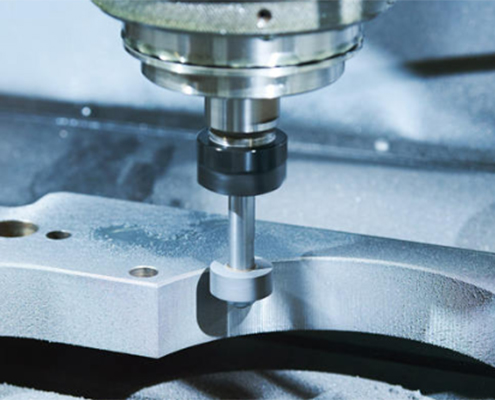
Additionally, during CNC machining, high-strength aerospace aluminum alloys often contain high internal residual stress. Material removal releases this stress, causing thin-walled or asymmetric parts to deform, warp, or twist.
Maintain Minimum Wall Thickness & Aspect Ratios:
Symmetric Cross-Sections & Pocket Placement:
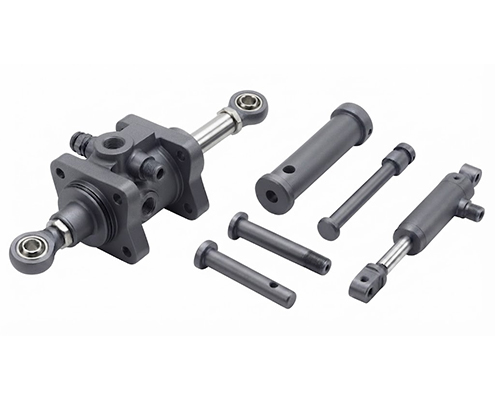
Choosing the right surface treatment for aerospace aluminum depends on the operating environment, conductivity requirements, wear exposure, and target budget.
Aerospace Surface Treatment Selection Table
| Component Application | Common Alloys Used | Recommended Surface Treatment | Primary Benefit | Relative Cost |
| Aircraft Exterior Skins & Frames | 2024-T3, 7075-T6, 7050-T7451 | Chromate Conversion (Chem Film) + Epoxy Primer | High corrosion protection, paint adhesion | Moderate ($$) |
| Aircraft Hydraulics, Actuators & Pins | 7075-T6, 7068-T651 | Hard-Coat Anodizing (Type III, 25–50 µm) | Wear/abrasion resistance, high surface hardness | High ($$$) |
| Aircraft Internal Brackets & Clamps | 6061-T6 | Clear / Yellow Chem Film (MIL-DTL-5541) | Low cost, basic corrosion resistance, electrically conductive | Low ($) |
| UAV External Housings & Gimbals | 6061-T6, 7075-T6 | Sandblast + Type II Color Anodizing | Anti-glare matte finish, cosmetic appeal, scratch resistance | Moderate ($$) |
| UAV Avionics & EMI Enclosures | 6061-T6 | Chem Film (Class 3 / RoHS SurTec 650) | EMI/RFI shielding, electrical grounding, corrosion protection | Low ($) |
| Satellite Optical Baffles & Sensor Housings | 6061-T6, 7075-T6 | Low-Outgassing Matte Black Anodizing | Eliminates stray light reflections, zero outgassing in vacuum | High ($$$) |
| Satellite Structural Frames & Radiators | 6061-T6, 7050-T7451 | Space-Grade Type II Anodizing or Chem Film | Thermal emissivity control, atomic oxygen resistance | Moderate–High ($$–$$$) |
A UAV client came to us with a 6061-T6 aluminum EMI enclosure that failed RF sealing tests when produced by a previous supplier. The part featured a 1.2 mm thin wall and a 200 mm tongue-and-groove mating flange requiring ±0.01 mm flatness.
Our engineering team analyzed and told client that the primary reason is the material stress and improper machining (like, machined the main pocket in a single heavy pass from one side, which released internal material stresses and built up heat, causing the thin flange to warp slightly and create micro-gaps along the sealing joint).
We switched the stock to pre-stretched 6061-T651 aluminum to reduce base material stress, and then split the CNC process into distinct roughing and finishing stages: first, we rough-milled the pocket and outer profile symmetrically from both sides, leaving 0.5 mm of stock, and allowed the part to rest for 24 hours to relieve residual stresses. For final finishing, we replaced standard mechanical vise clamps with a custom vacuum fixture to avoid clamping distortion, using sharp, high-helix carbide tools with light cut depths to keep cutting forces and heat low.
To ensure proper electrical conductivity across the joint, we treated the part with MIL-DTL-5541 Class 3 trivalent chromate conversion (Chem Film) rather than anodizing, which would have formed an insulating layer. The chemical film offered reliable corrosion protection while maintaining low surface electrical resistance for EMI shielding.
With the final flange flatness held consistently within 0.008 mm, the custom enclosure passed all RF leakage tests on the first attempt. The clients were satisfied with these aluminum EMI enclosures for their drones and willing to keep in touch with us in the future.
Selecting the ideal aerospace aluminum alloy requires a balance between performance requirements, design symmetry, and manufacturing economics. While high-strength options like 7075 and 7068 excel in ultra-high load applications, versatile alloys like 6061-T6 provide exceptional value for less critical structural components and aesthetic parts. In addition, 7050 for high SCC to thick components safety while 2024 for excellent fatigue resistance, and 2014 for high forgings with high hardness. Ultimately, achieving a high-performance, cost-effective aerospace component goes beyond material selection. By applying selective tight tolerances, implementing stress-relieving design practices, and selecting the appropriate functional surface treatment, your team can surely reduce deformation risks and unnecessary machining costs. Still troubled by tolerances, design and cost optimization for aircraft aluminum alloy components? Welcome to contact us to get a free DFM review and quick quote within 24 hours. [2D Drawings (PDF files), 3D Drawings (IGS/STP/STEP files)].
 WhatsApp/WeChat/Mobile:
+86-15099911516
WhatsApp/WeChat/Mobile:
+86-15099911516 Tel: 86-150-9991-1516
 QQ: 939020977
 E-Mail: service@vimetal.com.cn


What is the strongest aircraft-grade aluminum alloy?
7068-T651 is currently the strongest commercially available aerospace aluminum alloy with tensile strengths reaching up to 710 MPa, followed closely by 7075-T6.
Can all aircraft-grade aluminum alloys be welded?
No, while 6061-T6 is easily weldable, high-strength aerospace alloys like 7075, 7050, and 2024 are generally considered non-weldable due to high risks of thermal cracking and severe strength loss in the heat-affected zone.
Why is 2024 aluminum preferred for aircraft fuselage skins over 7075?
2024-T3 offers exceptional fatigue resistance and fracture toughness under cyclic tension loads, which prevents cracks from spreading as the fuselage repeatedly pressurizes and depressurizes during flight.
Is 6061-T6 aluminum aircraft grade?
Yes, 6061-T6 is a widely used aircraft-grade alloy known for its moderate strength, excellent weldability, and great response to color anodizing.
What is the difference between aircraft grade aluminum and regular aluminum?
Aircraft-grade aluminum is manufactured to strict aerospace standards (such as AMS and ASTM specifications) with full material lot traceability, offering higher strength-to-weight ratios and superior fatigue resistance compared to standard commercial aluminum.
How expensive is aircraft grade aluminum?
Aircraft-grade aluminum raw material typically costs 1.5 to 3 times more than standard commercial aluminum, with high-performance ultra-hard alloys reaching up to 3 to 5 times the price. This price premium comes from specialized alloying elements, precise heat treatments to relieve stress, and strict aerospace quality control testing (such as ultrasonic flaw detection) to guarantee full material traceability and structural safety.
 Written By JunWen Liu
JunWen Liu holds a Mechanical Engineering degree from Esslingen University of Applied Sciences and spent seven years as a CNC Process Engineer, accumulating extensive hands-on experience. She now shares that knowledge through her writing, drawing from real problems she encountered on actual projects. Outside of work, she enjoys hiking and is always chasing the next summit view.

 Chromate Conversion Coating: Is This Suitable for Your Aluminum CNC Machined...