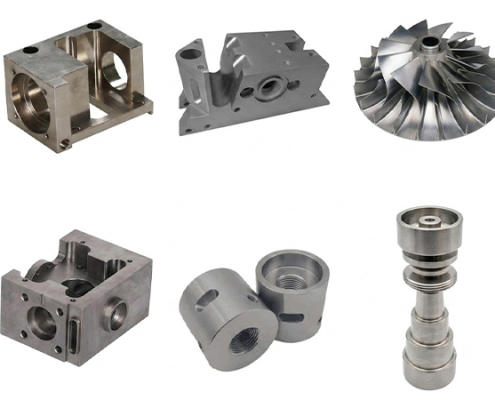
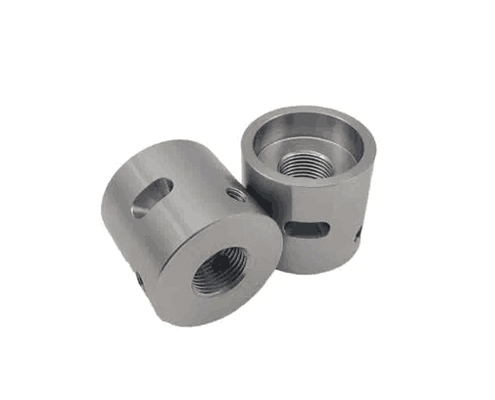
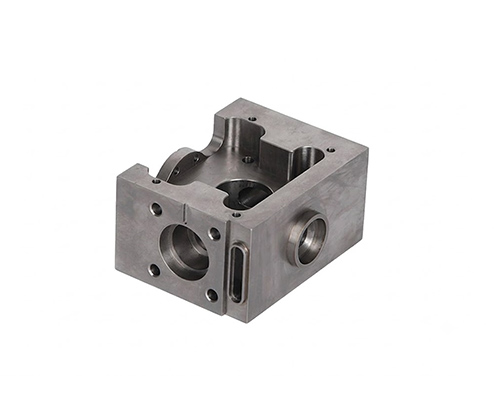
1. What should I know before ordering Grade 5 titanium CNC parts?
Confirm your part actually needs Grade 5’s strength before ordering, since it costs more and takes longer to machine than Grade 1 or Grade 2. Providing complete drawings (2D PDF and 3D STEP or IGS files) with clear tolerance requirements upfront also helps us quote accurately and avoid delays once production starts.
2. Which is better, titanium Grade 2 or Grade 5?
| Grade 2 | Grade 5 |
|---|
| Tensile Strength (Ultimate) | 345 MPa | 950 MPa |
| Yield Strength | 275 MPa | 880 MPa |
| Machinability | Easier to machine | More difficult to machine |
| Typical Use | Corrosion resistant, non structural parts | High strength structural parts |
If your part doesn’t carry structural load, Grade 2 machines faster and costs less while still holding up in corrosive environments. Grade 5 is worth the added cost only when your design genuinely needs the extra strength. For a full breakdown of when to choose each grade, see our detailed Grade 2 vs Grade 5 titanium comparison guide.
3. Why does Grade 5 titanium cost more to machine than Grade 1 or Grade 2?
Grade 5’s higher hardness and strength wear cutting tools faster and require slower cutting speeds than Grade 1 or Grade 2, which increases machining time. Material cost is also higher for Grade 5, but tool wear and cycle time are usually the bigger factors in the final machining cost. That’s why simplifying non-critical features can often reduce cost more than changing material alone.
4. Can Grade 5 titanium hold tight tolerance on thin walled or complex parts?
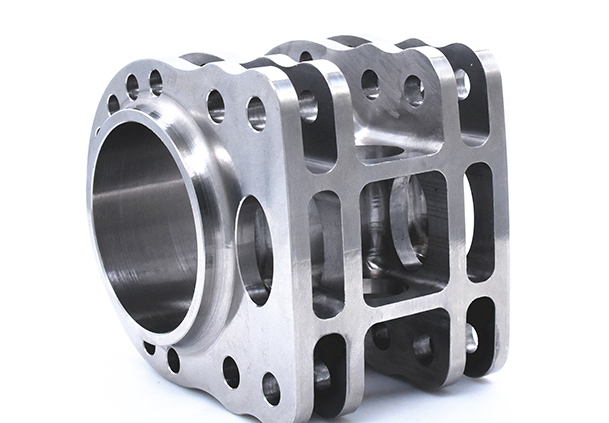
Yes. Grade 5 can hold tight tolerances on thin walled and complex parts, but the achievable tolerance depends on wall thickness, feature geometry, and part size. If a feature is close to the practical machining limit, we’ll identify it during the DFM review and recommend any changes before production begins.
5. Is Grade 5 titanium suitable for aerospace or high load applications?
Yes. Grade 5 is commonly specified for aerospace, motorsport, medical, and other high load applications, largely because its strength allows for lighter parts without sacrificing load capacity. Many aerospace and regulated industries also require material traceability, so we can provide mill test certificates (MTCs) with your grade 5 titanium CNC machining order when needed.
6. What are the limitations of Grade 5 titanium?
Grade 5’s main limitation is machining difficulty and cost compared to Grade 1 or Grade 2, since its strength increases tool wear and cycle time. If your part doesn’t carry heavy structural load, a lower strength grade may reduce both cost and lead time. If Grade 5 is required for your application, our titanium grade 5 CNC machining service uses 5-axis machining and controlled process parameters to maintain dimensional stability and reduce distortion.
7. Do you offer a DFM review before quoting Grade 5 titanium parts?
Yes, every drawing goes through a free DFM review before quoting, checking for thin walls, tight tolerances, or complex features that could affect cost or machinability. This is included in our Ti-6Al-4V CNC machining service at no extra charge, helping reduce quote revisions, production delays, and unexpected manufacturing issues later in the project.
8. Can you sign an NDA before I send my drawing?
Yes, we’re glad to sign an NDA before reviewing your drawing. Every design is handled confidentially and shared only with the engineers directly involved in your project, whether or not an NDA is in place. Customer drawings are never shared with other customers or used for marketing without permission.
9. Should I choose Grade 5 titanium or a different metal like stainless steel or aluminum?
It depends on your part’s load, weight targets, and operating environment. Grade 5 offers the best strength to weight ratio and holds up well in corrosive environments, stainless steel typically costs less for parts that don’t need to be lightweight but face less aggressive exposure, and aluminum is the better choice when weight matters more than strength or corrosion resistance. If you’re unsure, sending your drawing lets us confirm the right material before you commit.
10. Do you provide mill test certificates (MTC) for Grade 5 titanium parts?
Yes, we can provide mill test certificates (MTCs) for Grade 5 titanium parts, confirming the material’s chemical composition, mechanical properties, and supporting material traceability. Certificates of Conformity (CoC) and inspection reports are also available upon request.