Is your surface finish precise enough to prevent early failure?
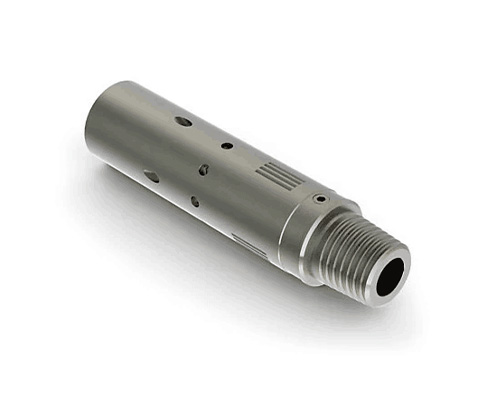
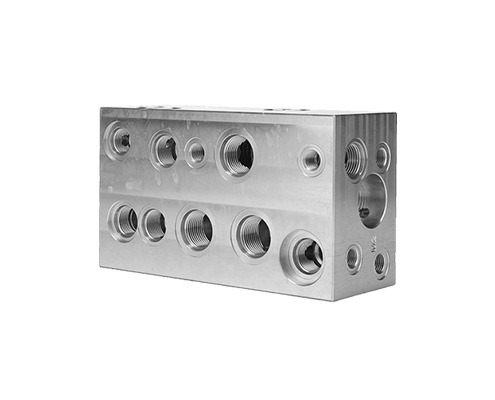
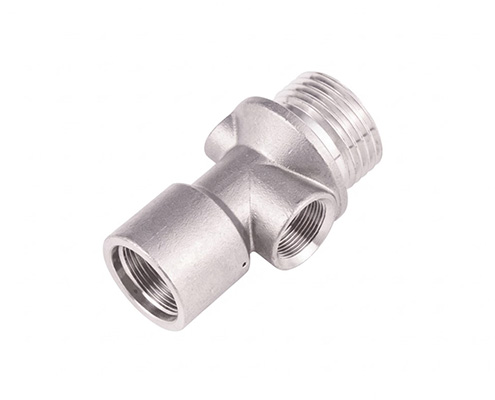
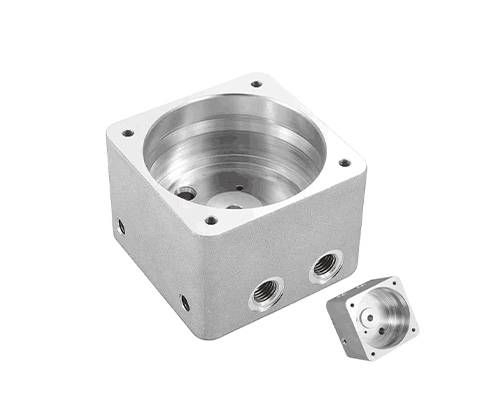
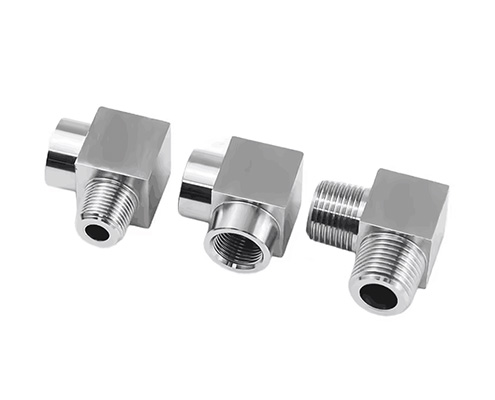
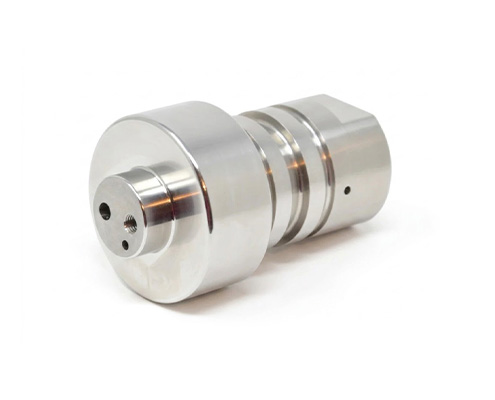
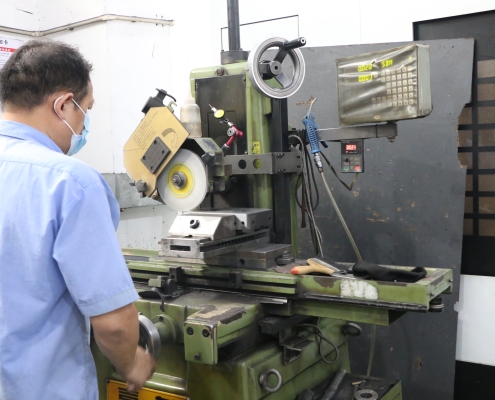
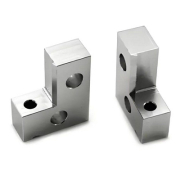
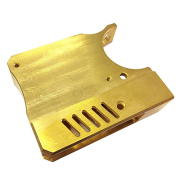
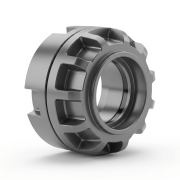
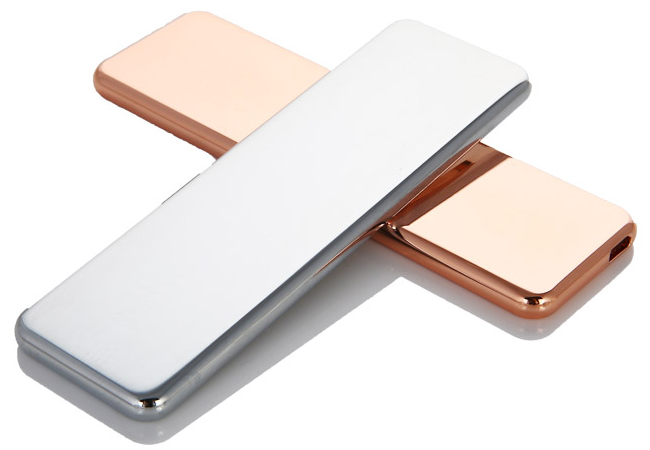
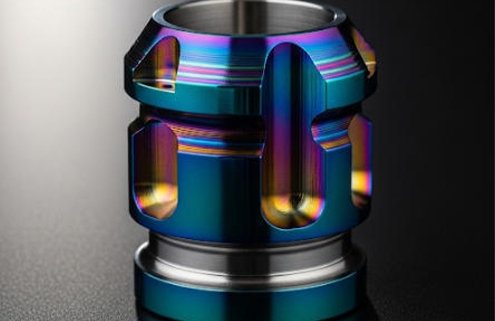
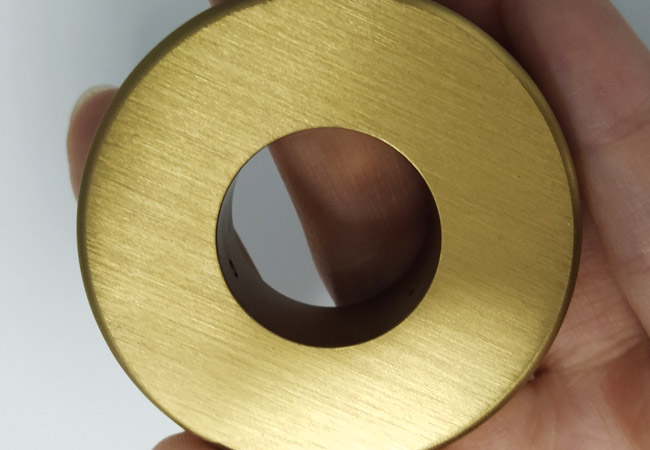
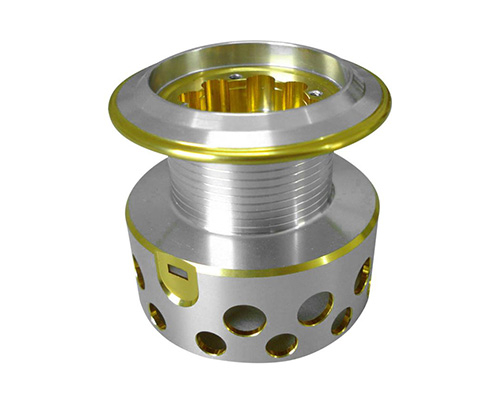
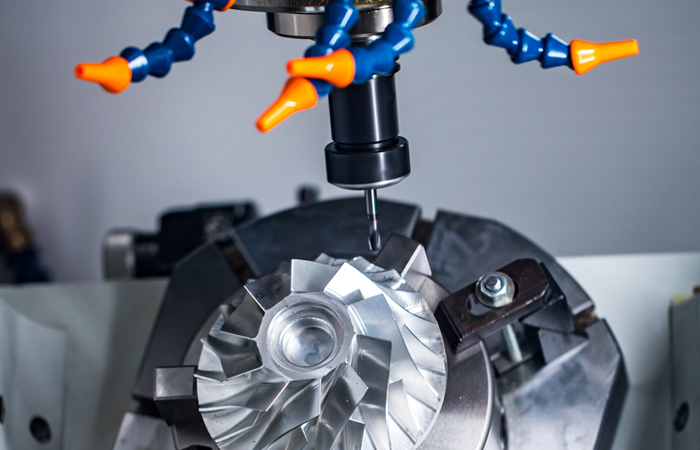
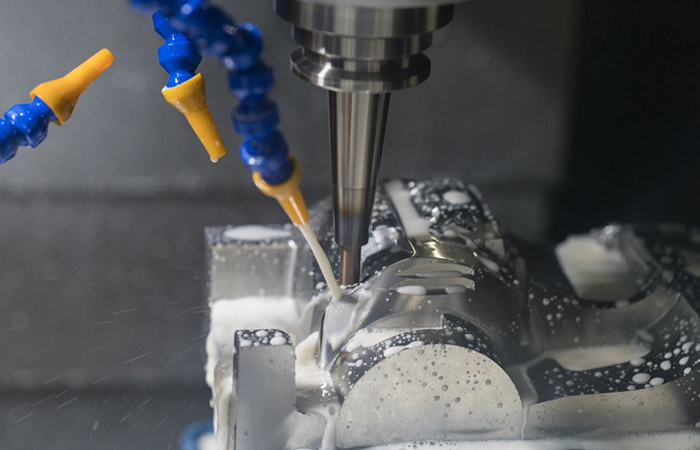
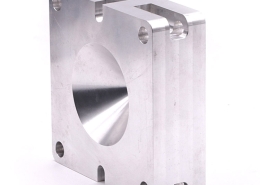
Surface finish quality is critical in preventing early failure under heavy fatigue and cyclic loading. In demanding energy applications, we strictly control roughness on sealing and contact surfaces to levels such as Ra 0.4 or Ra 0.6. Our process focuses on minimizing micro cracks and tool marks that often act as stress concentrators during operation. By utilizing optimized cutting speeds and specialized tooling, we improve surface integrity to support reliable sealing performance in high vibration environments. Where required, secondary processes like precision grinding or polishing are applied to further enhance part life. This focus on surface detail helps reduce the risk of crack initiation and premature wear, ensuring that components can withstand long term mechanical stress without unexpected downtime in the field.
Do your parts remain stable after stress relief?
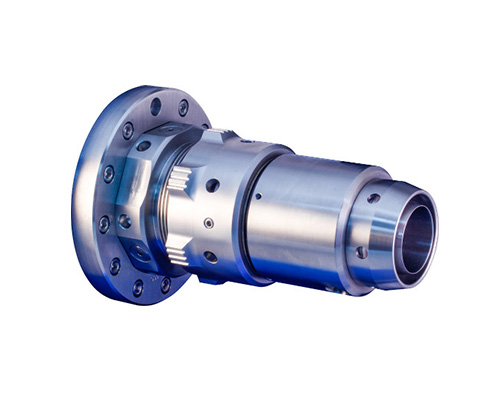
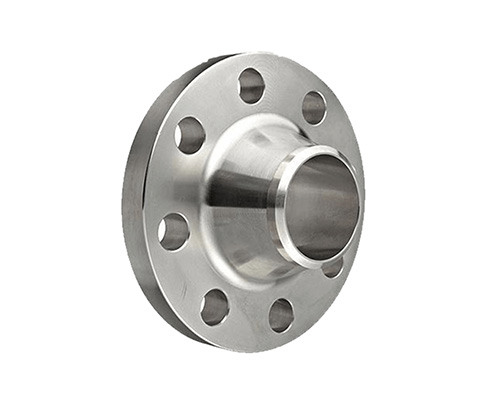
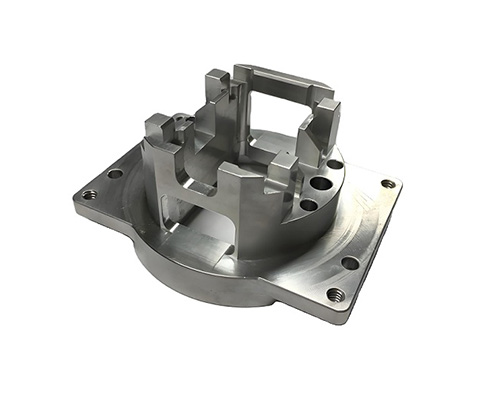
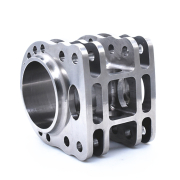
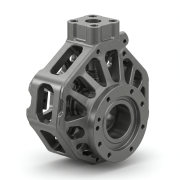
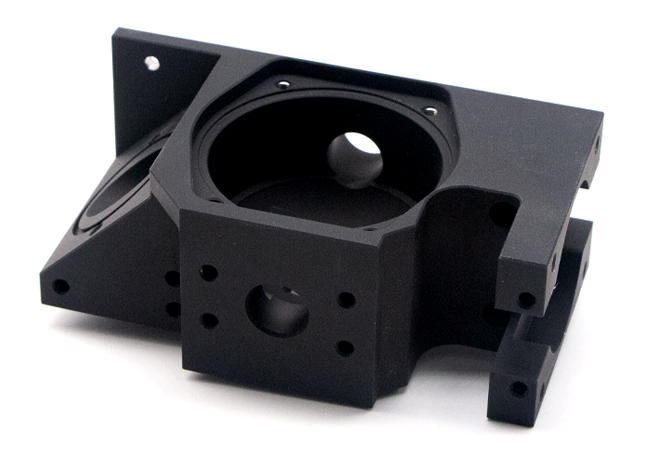
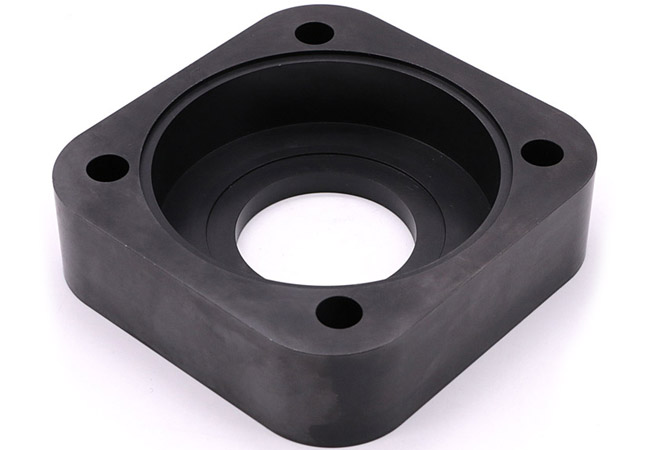
Dimensional stability is a primary concern for large or forged components used in the energy sector. Internal stress can lead to warping or dimensional shifts during service, especially under extreme temperature changes. To manage this risk, we use a staged machining process. We perform heavy rough machining to remove the bulk of the material, followed by thermal stress relief to stabilize the internal structure before the final precision finishing passes. This method significantly reduces the risk of deformation once the part is in use. Maintaining tight tolerances through this stabilized workflow is essential for components such as large flanges or turbine housings. By controlling these internal stresses, we help ensure proper fit during site assembly and consistent performance under operational loads, avoiding costly alignment issues or system failures.