 https://vmtcnc.com/wp-content/uploads/2024/09/AL3699-1-e1733899337767.jpg
330
586
行政人员
https://vmtcnc.com/wp-content/uploads/2026/08/dca1046a-0be2-4545-a6d3-9362f83cea38-1.png
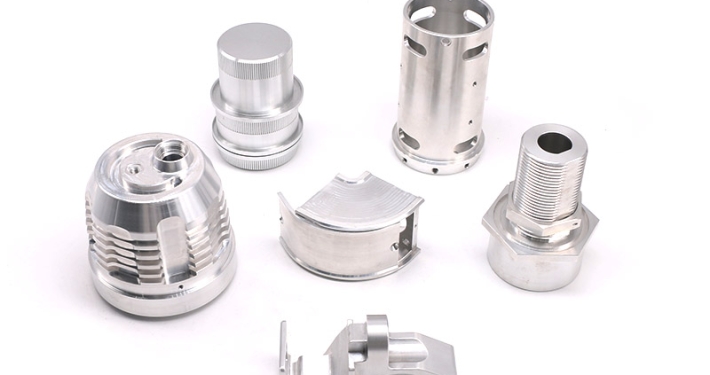
行政人员2025-01-24 15:33:272025-07-25 07:44:11Brass vs Aluminum: CNC Machining Materials Comparison Guide
 https://vmtcnc.com/wp-content/uploads/2024/01/anodizing-aluminum-cnc-turning-parts.jpg
450
650
行政人员
https://vmtcnc.com/wp-content/uploads/2026/08/dca1046a-0be2-4545-a6d3-9362f83cea38-1.png
行政人员2025-01-20 01:28:582025-02-05 03:25:56Why does Aluminum Material Need to Be Anodized?
 https://vmtcnc.com/wp-content/uploads/2025/01/Powder-Coating2.jpg
308
570
行政人员
https://vmtcnc.com/wp-content/uploads/2026/08/dca1046a-0be2-4545-a6d3-9362f83cea38-1.png
行政人员2025-01-18 01:52:122026-07-07 10:50:30What is Powder Coating? A CNC Machining Surface Finishing Method
 https://vmtcnc.com/wp-content/uploads/2025/01/Painting-Aluminum1.jpg
367
742
行政人员
https://vmtcnc.com/wp-content/uploads/2026/08/dca1046a-0be2-4545-a6d3-9362f83cea38-1.png
行政人员2025-01-16 01:13:542026-06-08 07:57:53Painting Aluminum: A Comprehensive Guide
 https://vmtcnc.com/wp-content/uploads/2024/12/Tolerance-e1735610145333.jpg
354
556
行政人员
https://vmtcnc.com/wp-content/uploads/2026/08/dca1046a-0be2-4545-a6d3-9362f83cea38-1.png
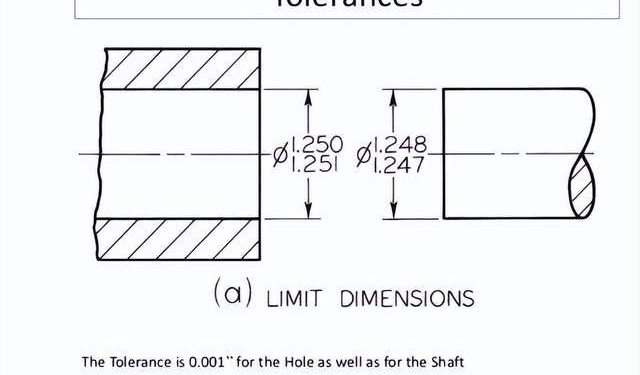
行政人员2025-01-15 01:01:432026-08-31 08:03:55Engineering Drawing Symbols: A Comprehensive Guide(2026 Updated)
 https://vmtcnc.com/wp-content/uploads/2025/01/316-Stainless-Steel-1.jpg
317
646
行政人员
https://vmtcnc.com/wp-content/uploads/2026/08/dca1046a-0be2-4545-a6d3-9362f83cea38-1.png
行政人员2025-01-13 03:38:582025-01-13 03:38:58304 vs 316 Stainless Steel: Everything You Need to Know