1.What Is a Robot Joint Housing?
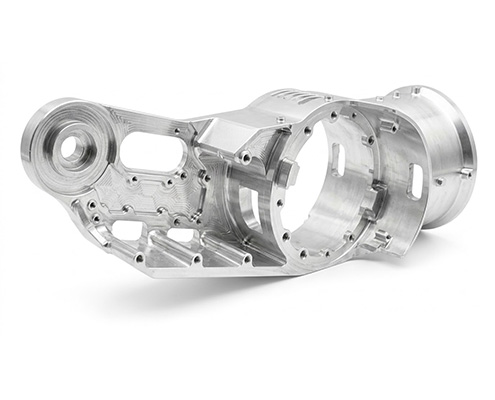
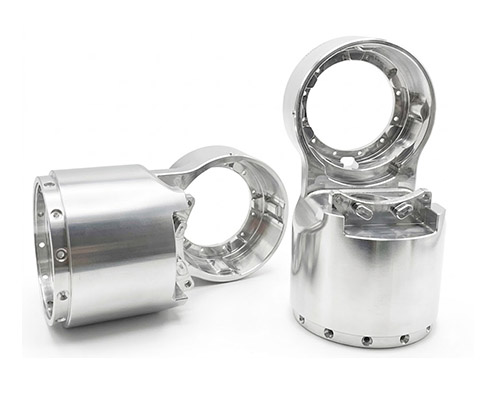
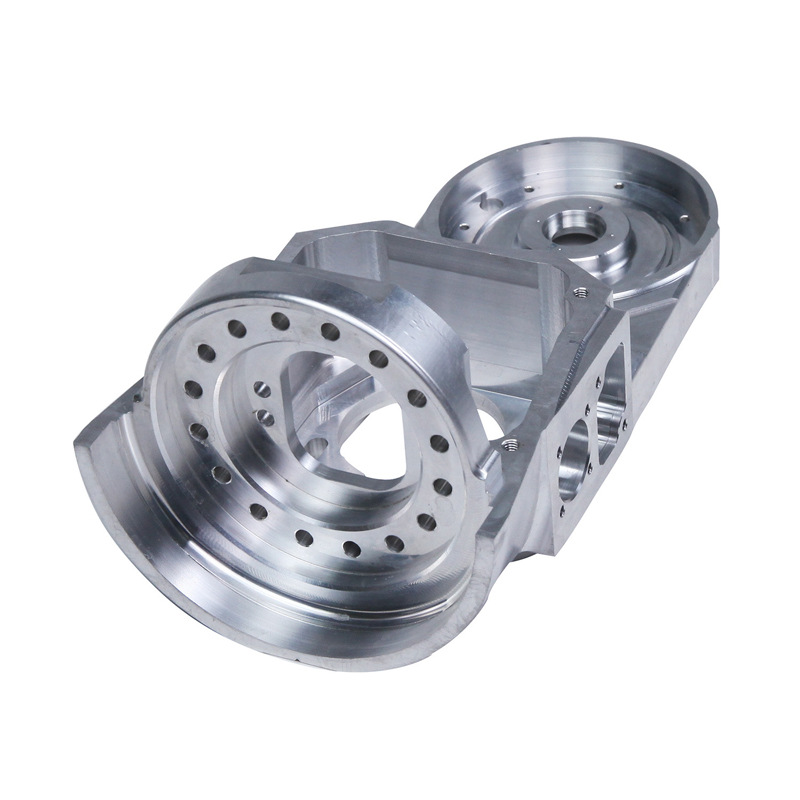
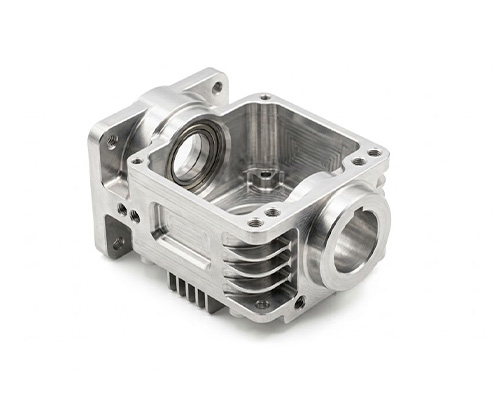
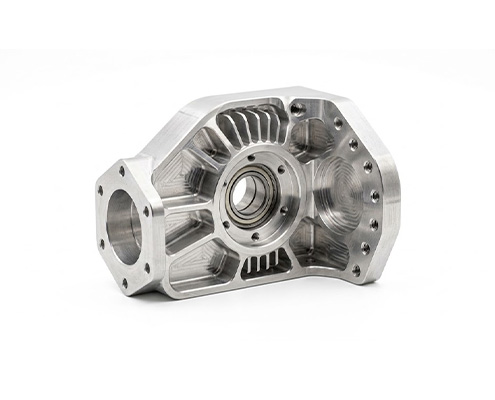
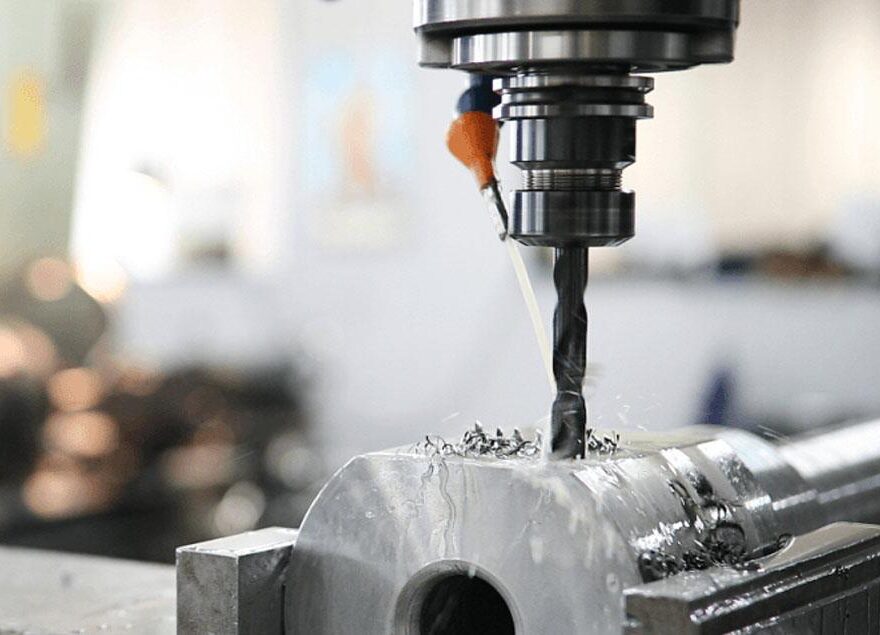
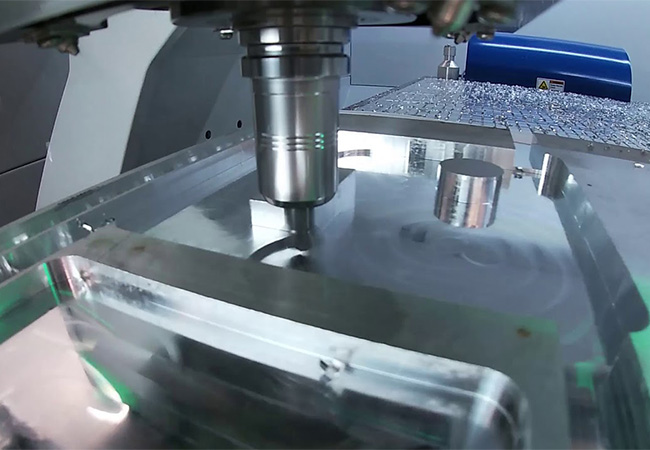
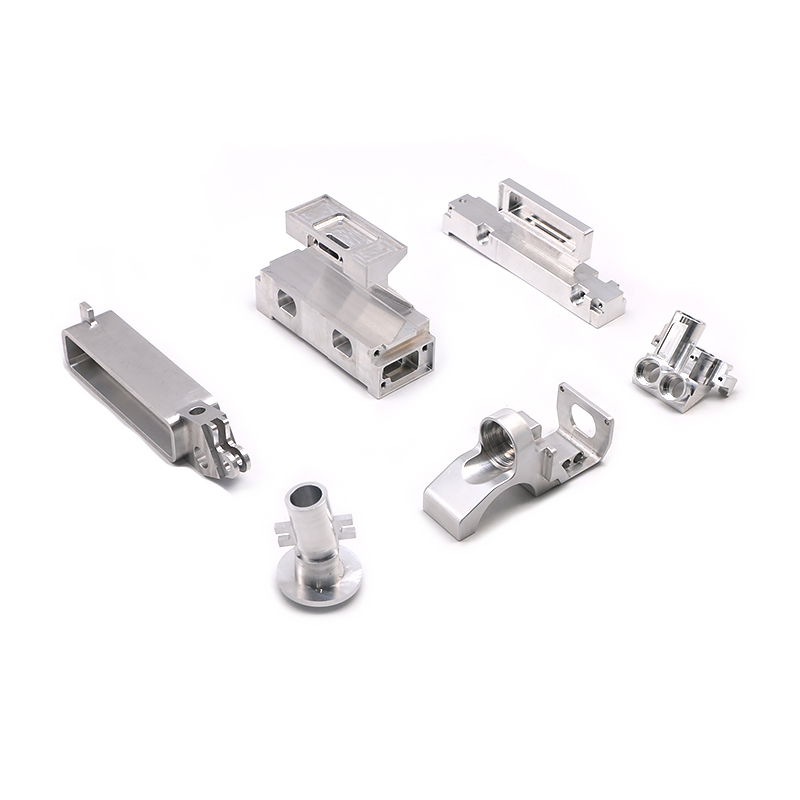
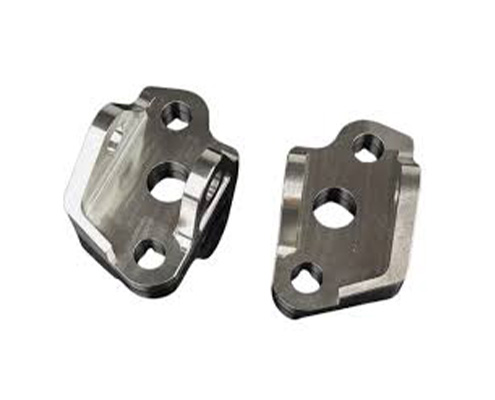
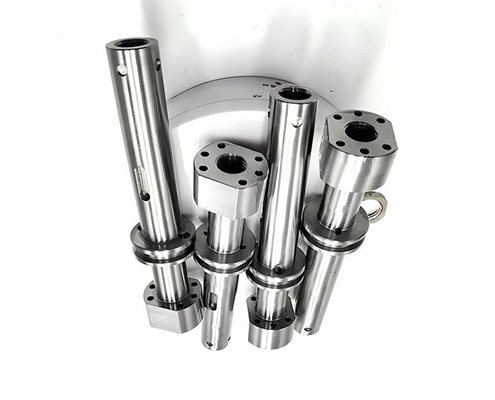
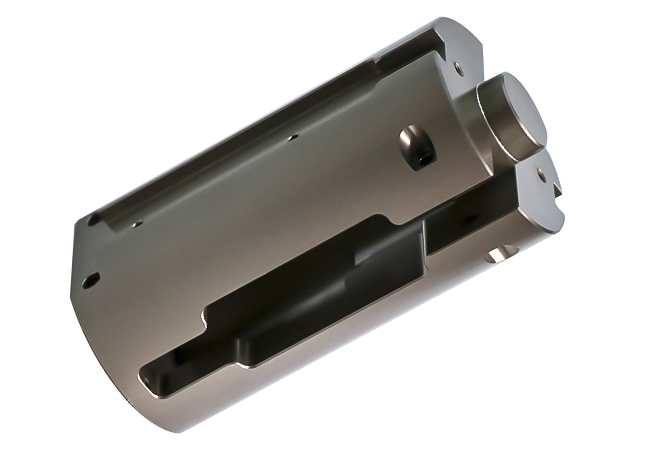
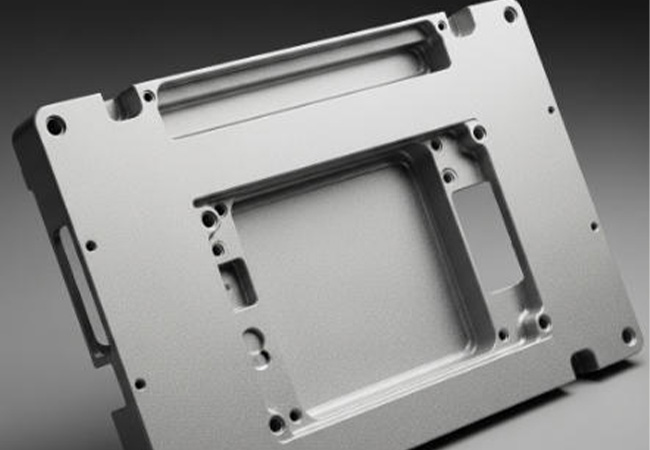
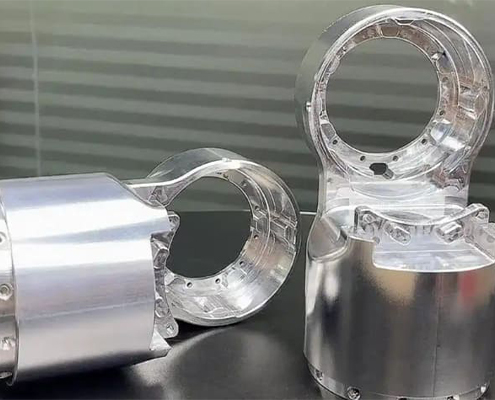
A robot joint housing is the structural shell of a robot joint. It holds the motor, reducer, and bearings in their specified positions and connects adjacent links while the joint runs under load. Its bores, flanges, and mounting faces must stay correctly positioned to each other for the joint to run smoothly.
2.Which Types of Robots Use CNC Machined Robot Joint Housings?
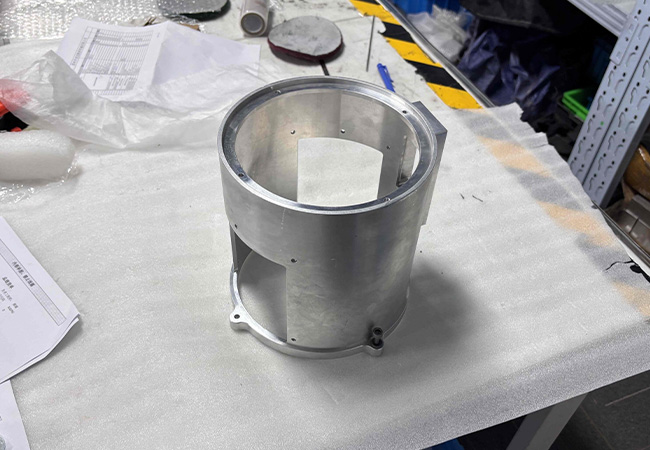
CNC machined robot joint housings are used in humanoid robots, industrial robot arms, and collaborative robots. Humanoid robots favor lightweight, thin wall housings, and industrial arms need stiffness under high payloads. A collaborative robot joint housing is typically compact and light enough for safe operation near people.
3.How Do I Choose Between Aluminum and Titanium for a Robot Joint Housing?
Aluminum suits most robot joint housings because it is light and machines to tight tolerances, and high strength grades handle higher loads. Titanium suits joints where strength and low weight are both critical, at a higher material cost and longer machining time. Start with aluminum, and move to titanium when load, size limits, or corrosion rule it out.
4.What Bearing Bore Tolerance Can VMT Hold on a Robot Joint Housing?
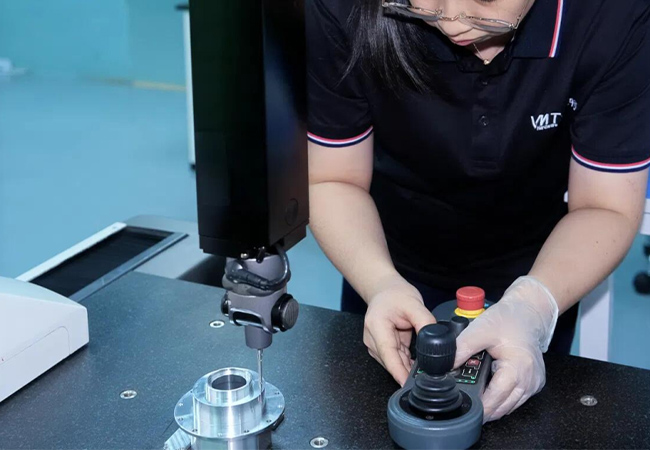
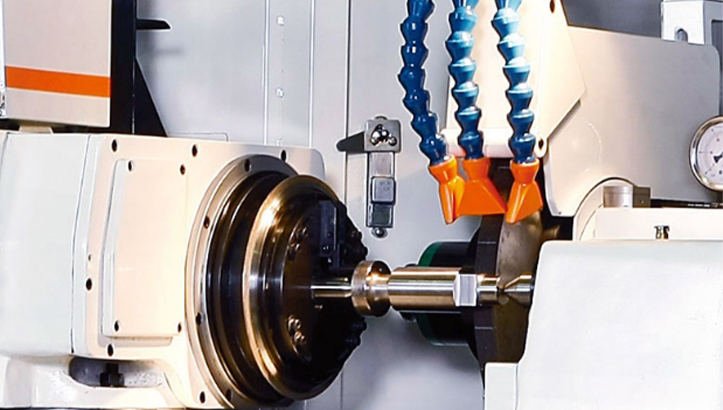
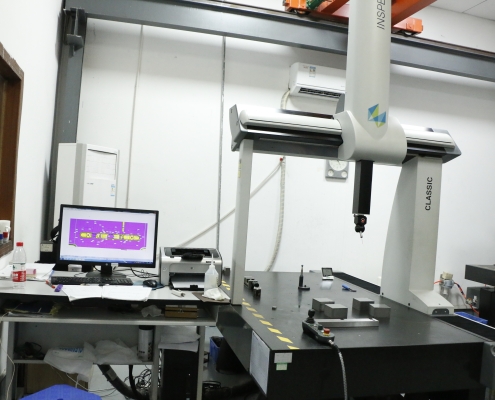
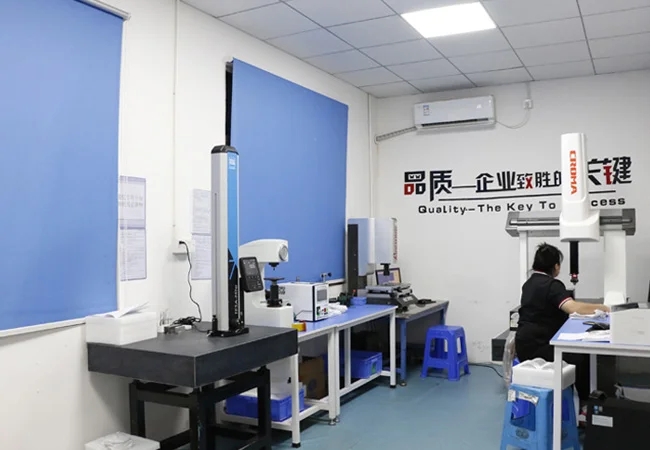
VMT holds robot joint housing bearing bores to within ±0.005 mm. The tolerance you specify depends on the bearing type and whether the outer race is fixed or rotating. For fits tighter than milling can hold, we finish bores by grinding and honing, and we verify them on a CMM.
5.How Much Weight Can Be Saved on a Robot Joint Housing Through CNC Machining?
A robot joint housing can typically lose about 20% of its weight when pockets and ribs remove material from lightly loaded areas. The saving depends on the load path and wall thickness limits. High strength aluminum and titanium allow thinner sections than standard grades.
6.Can VMT Machine a Single Robot Joint Housing Prototype or a Small Batch?
VMT machines single robot joint housing prototypes with no minimum order quantity. Robot joint housing prototype machining follows the same drawing review and CMM inspection as production, so the prototype shows how the production part will perform.
For repeat or small volume orders, low volume robot joint housing manufacturing reuses the prototype program and inspection plan, so later batches match the first.
7.What Affects the Cost of Machining a Robot Joint Housing?
The cost of machining a robot joint housing depends on material, geometry, tolerance, quantity, and finish. Titanium and alloy steel cost more than aluminum. Tight tolerances, thin walls, and deep pockets add machining and inspection time, and larger quantities spread setup cost across more parts.
8.What Is the Lead Time for Machining a Robot Joint Housing?
Lead time for a robot joint housing starts at 7 days. Batch orders typically take 7 to 14 business days, depending on material, geometry, finish, and inspection requirements. We return a quote within 24 hours and confirm the schedule after drawing review.
9.What Information Does VMT Need to Quote a Robot Joint Housing?
To quote a robot joint housing, VMT needs a 3D model in STEP format and a 2D drawing with tolerances, plus the material, quantity, and surface finish. Details such as bearing fits and critical feature positions help us flag hard to hold features during the free DFM review.