Are you getting consistent performance across every batch?
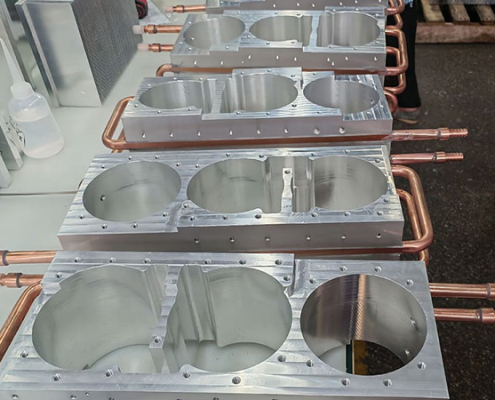
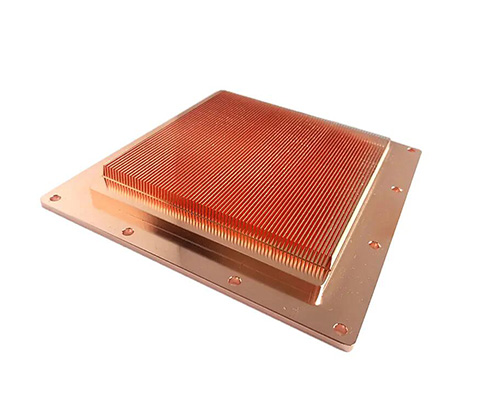
Batch-to-batch consistency in thermal performance depends on stable material properties and repeatable CNC processes. We manage this by sourcing aluminum and copper from qualified suppliers with full material traceability (MTR). Our production workflow utilizes standardized CNC programming and tool-wear monitoring to reduce dimensional drift during long runs. In-process quality control checks help maintain consistency in critical features—such as fin thickness and base flatness—from prototype through to production. This approach helps reduce variation in thermal performance across batches.
Are machining tolerances stacking up during multiple processes?
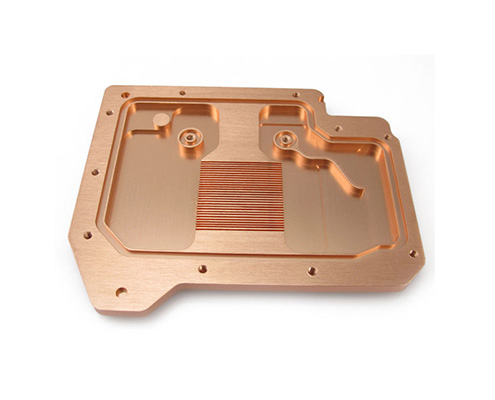
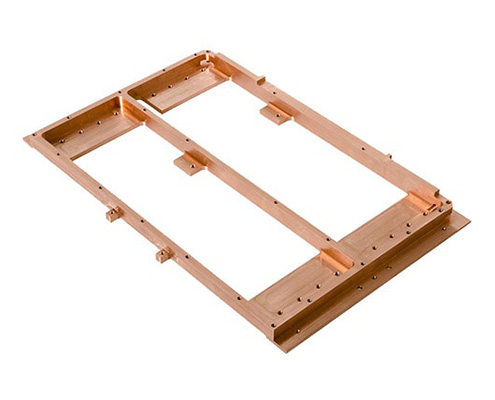
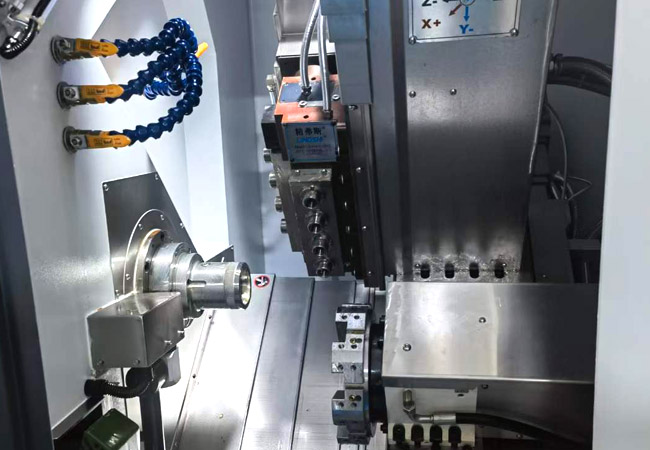
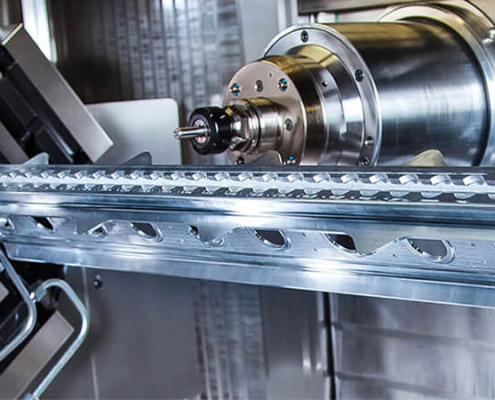
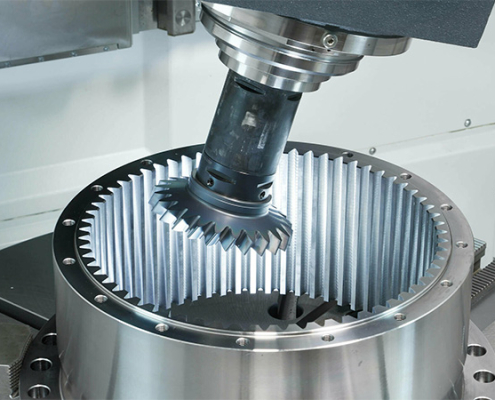
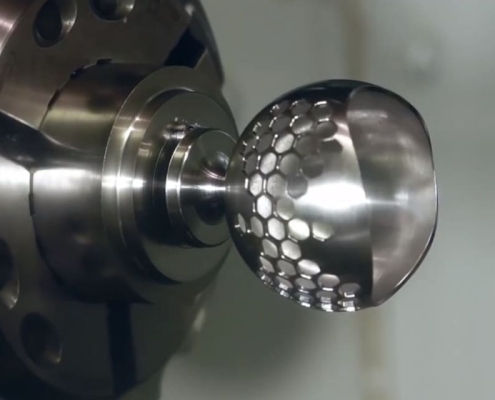
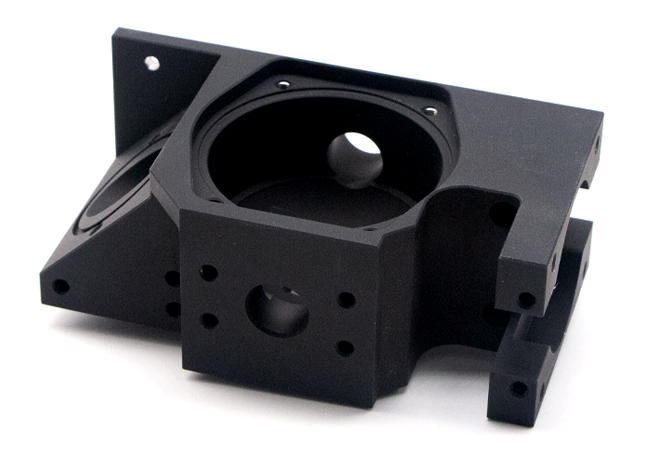
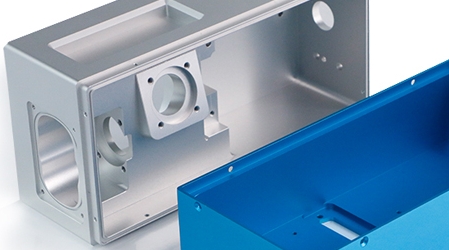
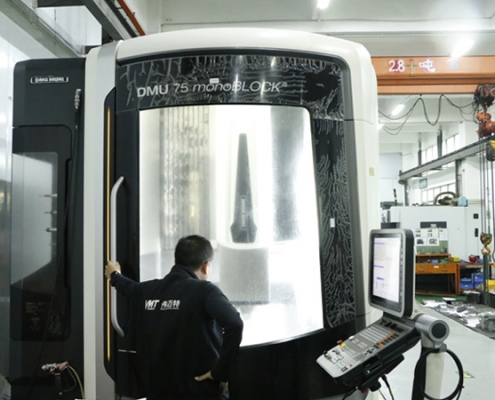
Tolerance stack-up is a key concern in multi-axis machining, especially when parts require multiple setups. To mitigate this, we use 5-axis China CNC machining heat sink centers to complete complex geometries in a single setup wherever possible, reducing re-clamping errors. For parts requiring surface treatments like anodizing or nickel plating, we account for coating thickness during the machining stage. This helps ensure that mounting interfaces and alignment features remain within specified tolerances for accurate assembly.
Are thin fins or complex structures causing machining issues?
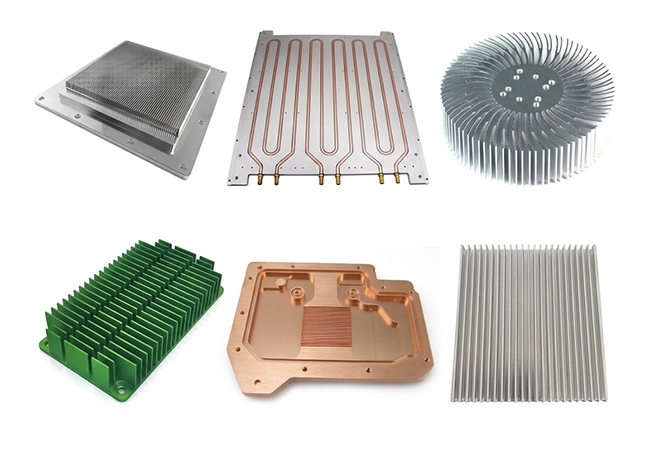
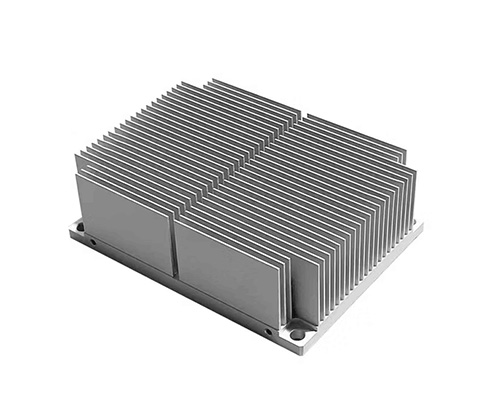
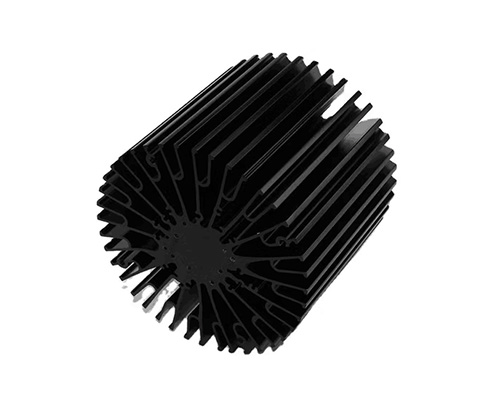
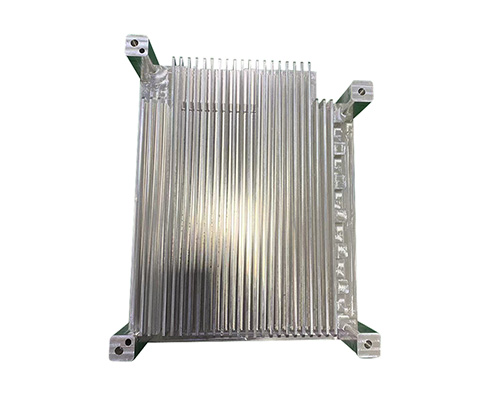
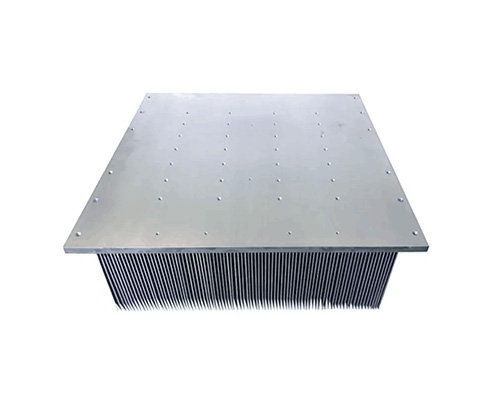
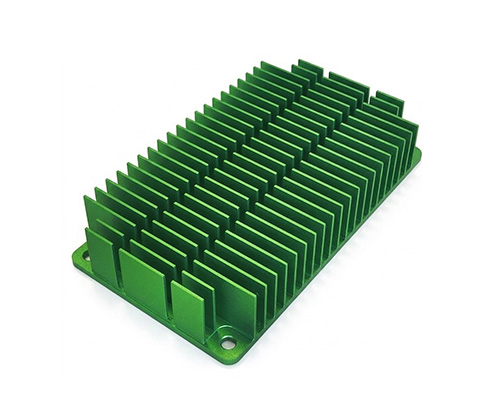
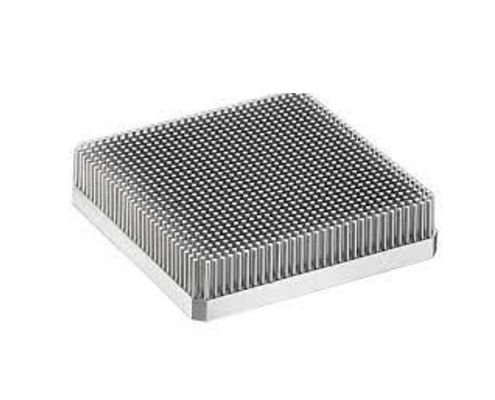
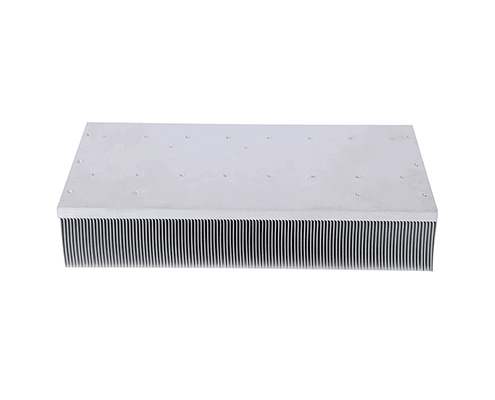
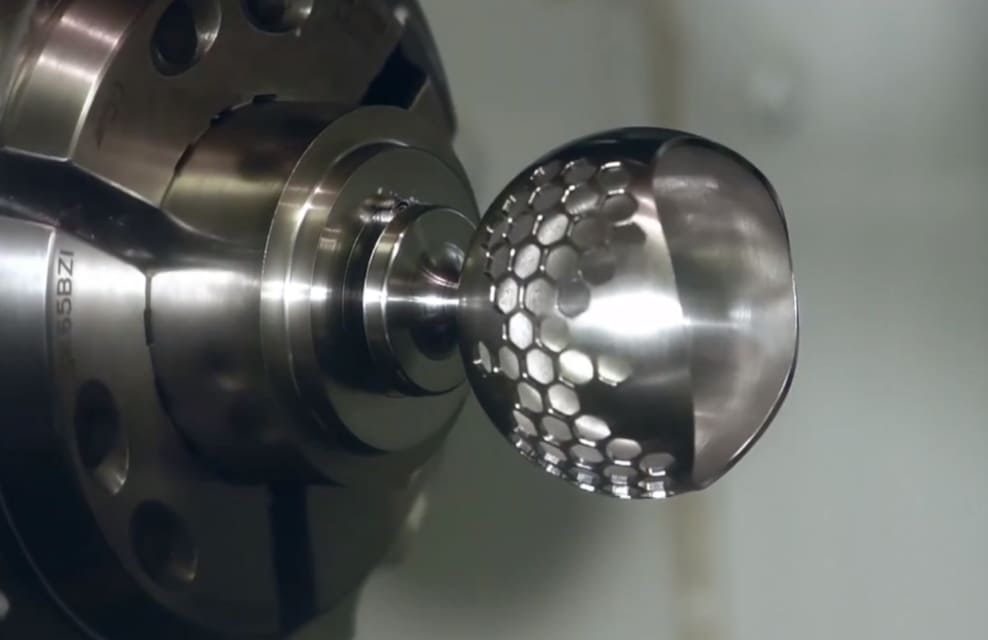
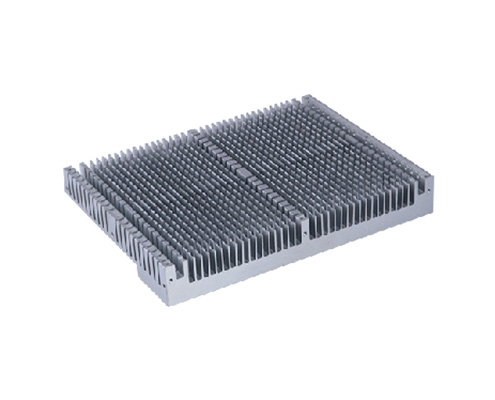
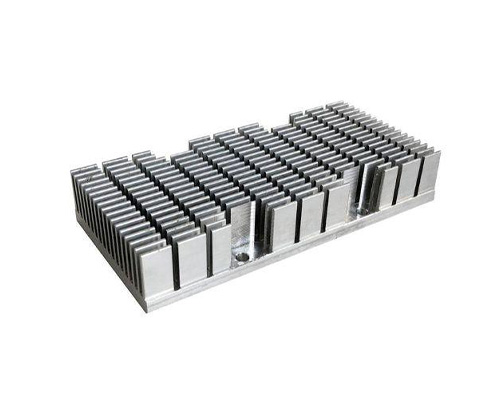
Machining high-aspect-ratio fins requires careful control of tool rigidity, cutting forces, and vibration. Issues such as fin deflection or burr formation may occur if the machining strategy is not optimized for the specific geometry. As custom heat sink manufacturers, we provide DFM feedback during the quotation stage to ensure that fin spacing and thickness are suitable for CNC machining while meeting thermal requirements. By optimizing tool paths and using high-speed cutting tools, we produce stable, clean fin structures with consistent geometry and reliable surface quality.