CNC Machining vs. Die Casting: Which Is Better for Metal Earphone Housings?
Both CNC machining and die casting can be used to manufacture metal earphone housings, but they suit different production requirements. The better choice depends on your order quantity, housing geometry, material specifications, cosmetic standards and whether your product design has been finalized.
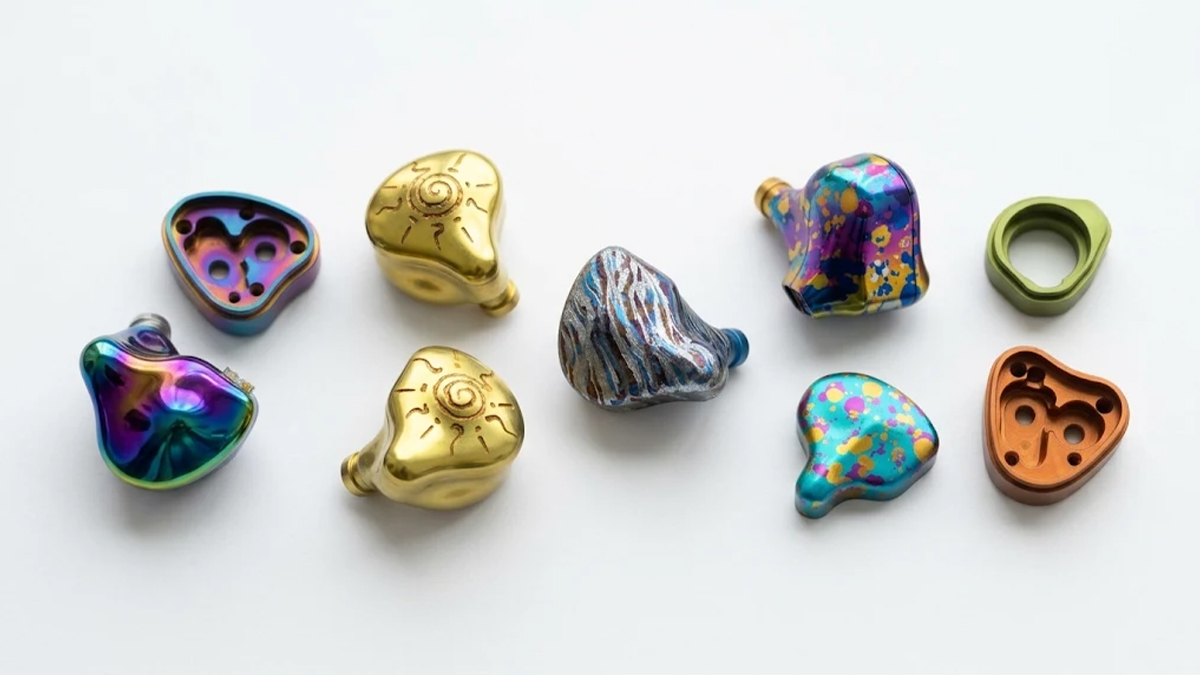
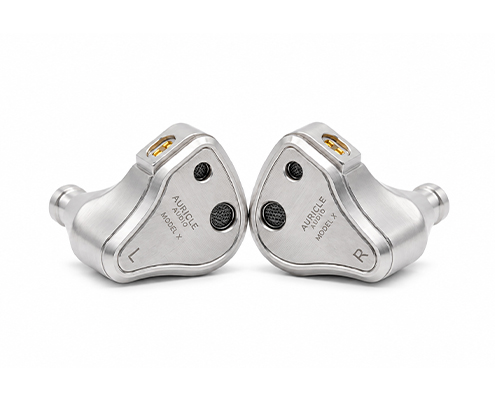
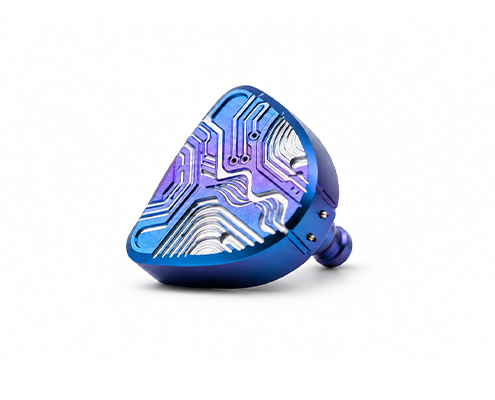
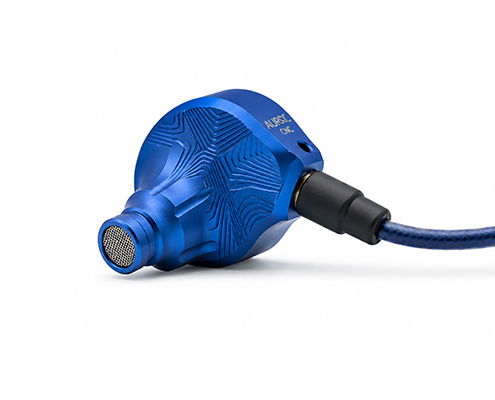
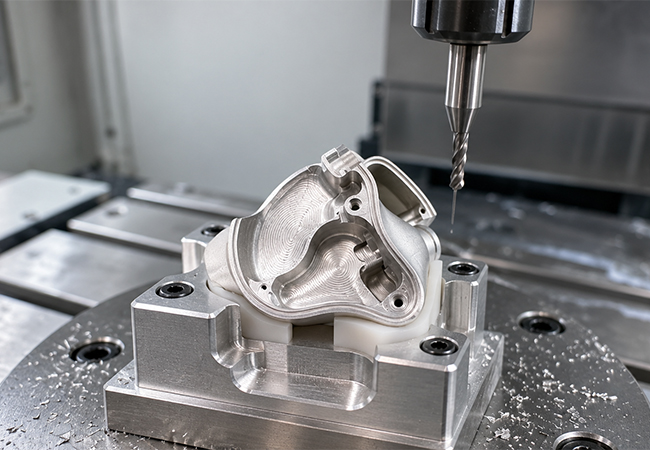
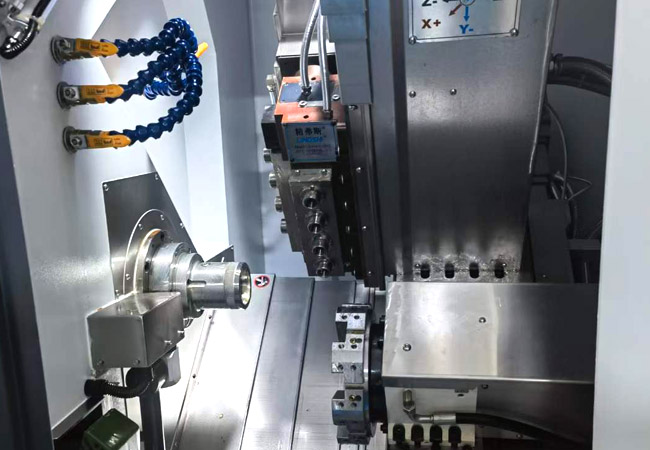
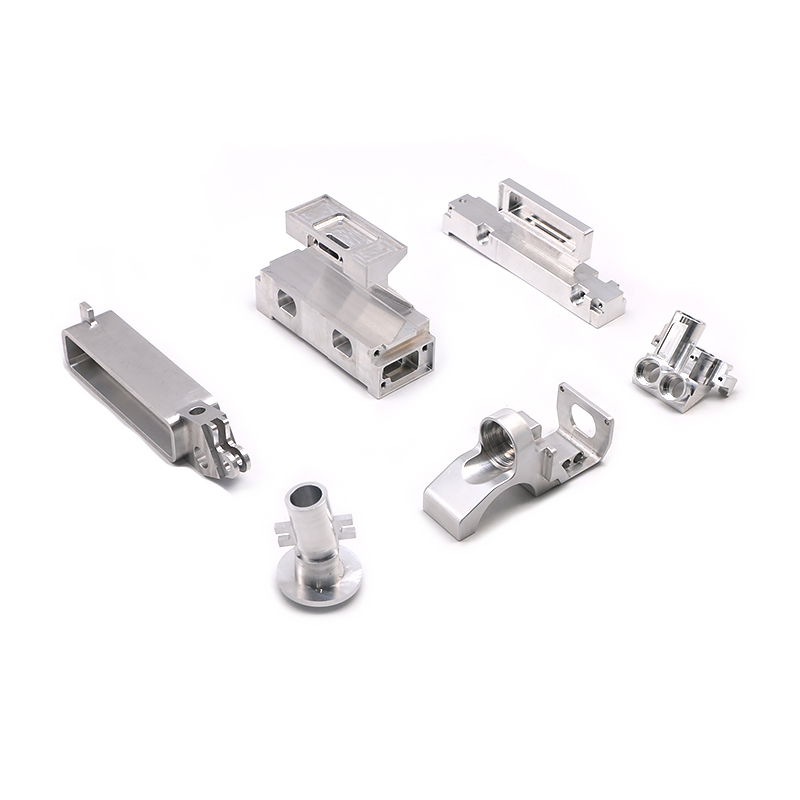
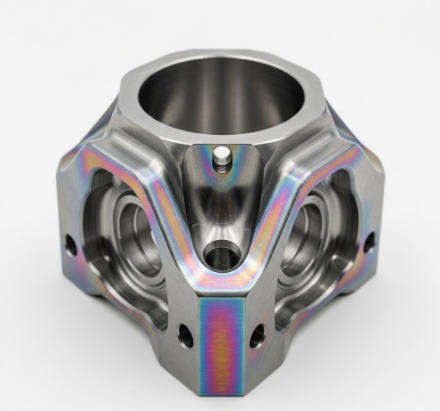
CNC machining produces earphone housings by removing material directly from solid metal stock without investing in dedicated casting molds. It supports a wider range of material grades, including aluminum 6061, aluminum 7075 and titanium Grade 5. For premium IEM shells with complex curved surfaces, decorative faceplates and precise mating interfaces, CNC machining offers greater flexibility in material selection, dimensional control and design modifications.
Die casting forms metal earphone housings by injecting molten metal into a reusable mold. Once the mold is developed and the production process is established, die casting can reduce the manufacturing cost per housing at higher production volumes. However, casting porosity, parting lines and ejector pin marks must be considered when developing housings with demanding cosmetic requirements. Critical mating surfaces, mounting holes and threads may also require secondary CNC machining.
| Comparison |
CNC Machining |
Die Casting |
| Initial investment |
No dedicated casting mold required |
Higher initial mold investment |
| Production quantity |
Prototypes, small batches and selected high volume projects |
Medium to high volume production |
| Material selection |
Wider selection of wrought metal grades |
Limited to suitable casting alloys |
| Dimensional accuracy |
Direct control of critical machined features |
Secondary machining may be required |
| Cosmetic appearance |
Suitable for premium machined and anodized finishes |
Casting marks and porosity may affect finish selection |
| Design modifications |
CAD and machining program updates |
Mold modifications may be required |
| Unit cost |
More dependent on machining time and material usage |
Generally decreases as production volume increases |
For new earphone models, limited edition IEMs and premium metal audio products, CNC machined earphone housings are often a practical choice because you can refine the design without committing to casting molds. For established earphone models with stable designs and high annual demand, die casting combined with CNC finishing of critical features may offer a more economical manufacturing solution.
The decision should be based on the total project cost, including tooling, secondary machining, surface finishing and potential design changes, rather than the unit price alone.
CNC Machining vs. Injection Molding: Which Is Better for Earphone Housings?
CNC machining and injection molding are both widely used in earphone housing manufacturing. The choice depends on your product positioning, material requirements, internal structure and expected production volume.
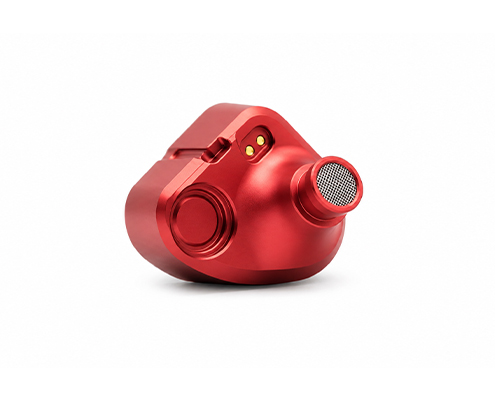
CNC machining is suitable for premium metal earphone housings, customized IEM shells and products that require distinctive metallic finishes. It also supports engineering plastic prototypes, allowing you to evaluate housing geometry, internal component fit and assembly before investing in injection molds.
Injection molding is particularly suitable for plastic TWS earbud housings, charging cases and consumer headphones produced in large quantities. Features such as snap fits, reinforcing ribs and internal mounting bosses can be molded directly into the housing, reducing secondary manufacturing and assembly operations.
| Comparison |
CNC Machining |
Injection Molding |
| Common materials |
Aluminum, titanium, brass and engineering plastics |
ABS, PC, PC/ABS and other thermoplastics |
| Typical applications |
Premium IEM shells and custom metal housings |
TWS earbuds, charging cases and consumer headphones |
| Internal structures |
Limited by cutting tool access |
Suitable for integrated ribs, bosses and snap fits |
| Surface appearance |
Metallic textures, anodizing and machined decorative patterns |
Molded textures, integrated colors and painted finishes |
| Product development |
Flexible design iterations without dedicated molds |
More suitable for finalized designs |
| Production economics |
Suitable for customized and lower volume projects |
Lower unit costs at sufficiently high production volumes |
You do not necessarily need to choose one manufacturing process for the entire earphone. A premium TWS earphone, for example, may combine a CNC machined aluminum housing with injection molded plastic internal supports or antenna windows.
For customized metal earphone housings, CNC machining offers greater material and finish flexibility. For lightweight plastic housings with integrated structural features and high production volumes, injection molding is generally more economical.
What Factors Affect the Manufacturing Cost of Custom CNC Earphone Housings?
The cost of custom CNC earphone housings depends on more than material prices and order quantities. Housing geometry, machining time, dimensional requirements and cosmetic standards all contribute to the final manufacturing cost.
- Material selection and utilization: Titanium generally requires more machining time and higher tooling costs than aluminum. For hollow IEM shells, the amount of material removed from solid stock also affects manufacturing costs.
- Housing geometry: Complex ergonomic contours, deep internal cavities and features at multiple angles increase machining time and may require specialized cutting tools or fixtures.
- Dimensional tolerances: Applying tight tolerances to every feature increases machining and inspection costs. Restricting tighter tolerances to faceplate interfaces, driver mounting positions and other functional features can reduce unnecessary expenses.
- Surface finish requirements: Mirror polishing, customized anodizing colors, PVD coatings and intricate decorative patterns require additional processing. Strict appearance standards for left and right housings may also increase inspection and sorting costs.
- Order quantity: CNC programming, fixture preparation and surface finish setup costs are distributed across the production quantity. Larger orders generally reduce these costs per housing.
- Product variations: Different housing shapes, faceplate patterns and color options may require separate machining programs, fixtures or finishing batches, even when they belong to the same earphone product series.
To reduce the cost of CNC machined earphone shells, consider standardizing internal mounting features across product models, limiting tight tolerances to functional areas and selecting surface finishes that match your target market.
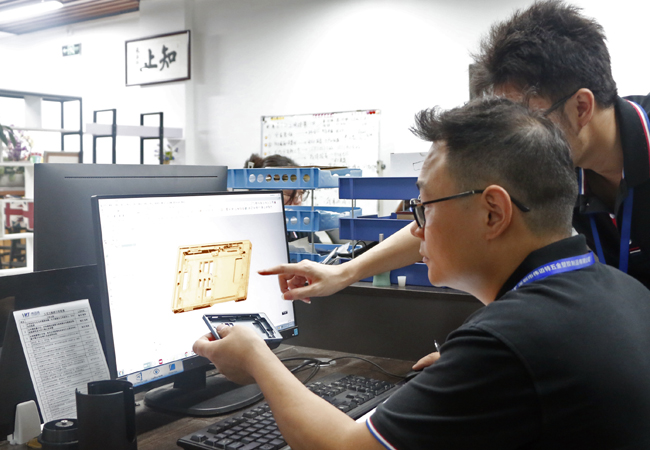
VMT offers free DFM reviews to help you identify unnecessary manufacturing costs in your earphone housing drawings before production begins.