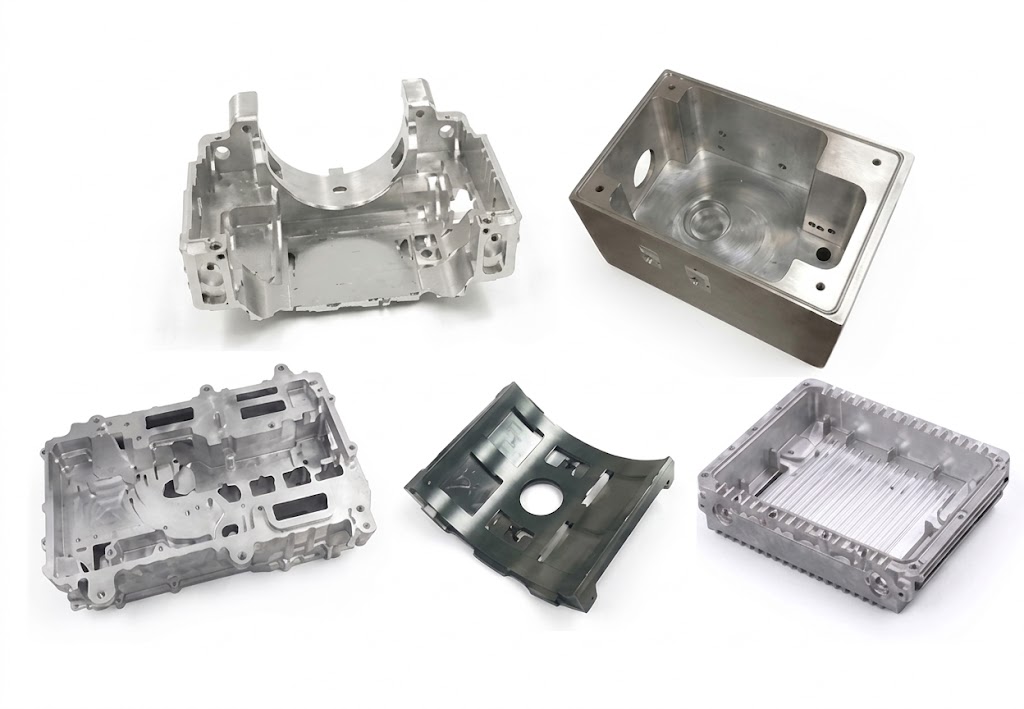
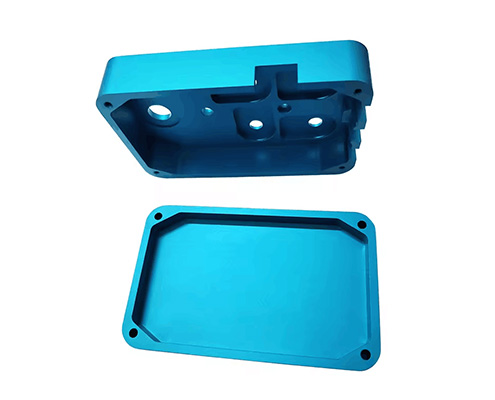
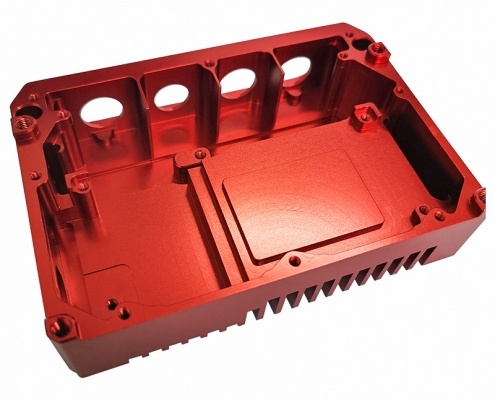
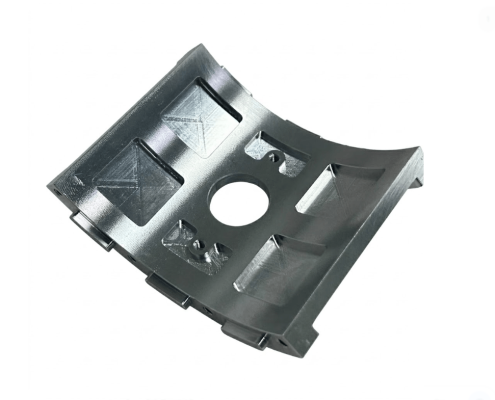
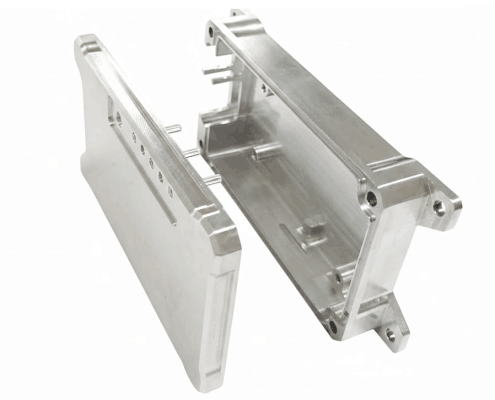
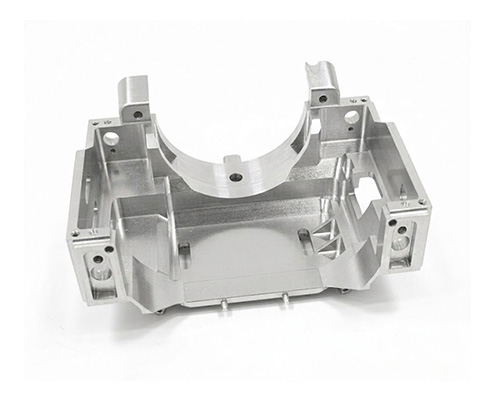
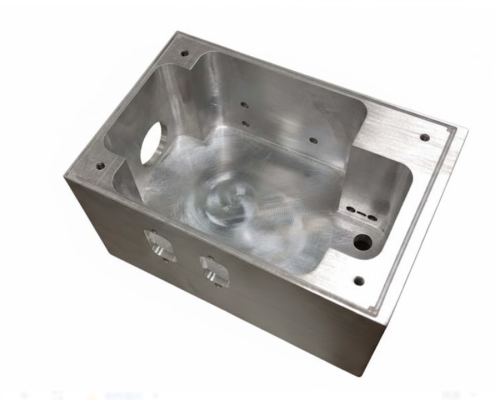
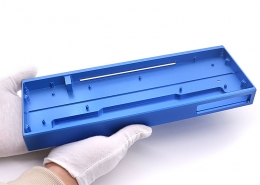
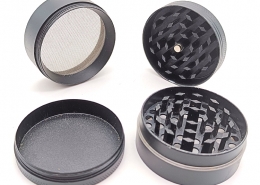
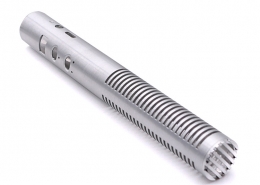
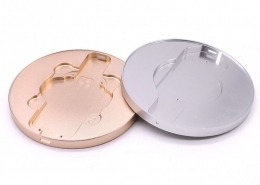
Do your thin wall or deep pocket CNC designs deform during machining?
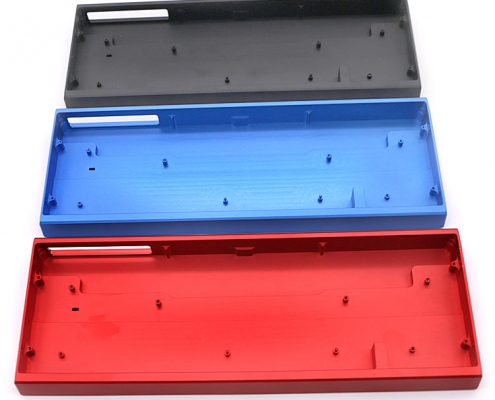
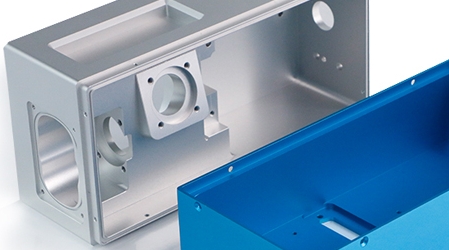
When you’re designing enclosures with thin walls or deep pockets, the biggest risk is the material warping or “springing” out of shape. You’ve likely dealt with parts that look fine on a drawing but arrive with bowed walls that make it impossible to fit your PCBs or snap the lids shut.
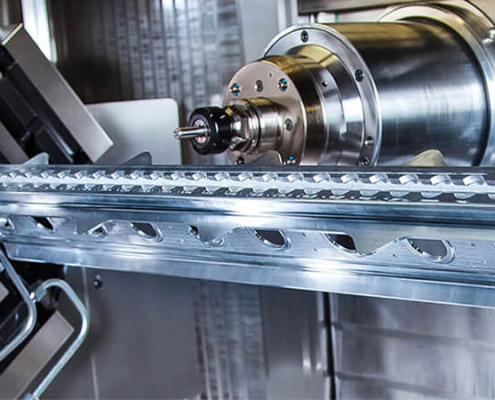
To manage this, we use a multi-stage machining sequence that lets the part stabilize before the final cuts. This gradual approach prevents the “built-in” tension of the metal from twisting the frame once it’s removed from the machines. By controlling how the material is removed, we help ensure your CNC machined enclosures maintain their flatness and structural integrity.
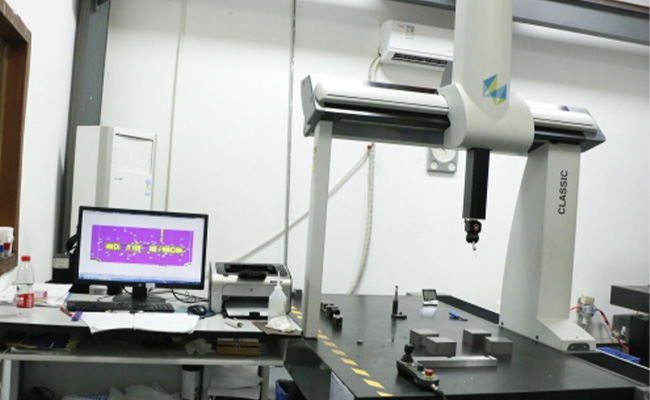
The result is a housing that stays within your specified tolerances. You get consistent alignment for your internal components and mounting points, so you can move straight to assembly without having to rework or force-fit parts that have shifted out of shape.
Do you need CNC enclosures with reliable sealing for water protection?
When your electronics operate in outdoor or humid environments, the primary concern is whether the enclosure seams can maintain a consistent seal. You’ve likely seen cases where uneven mating surfaces or microscopic tool marks allow moisture to bypass the gasket, leading to internal condensation or component failure.
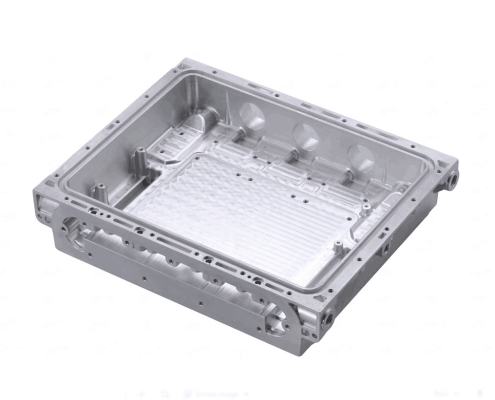
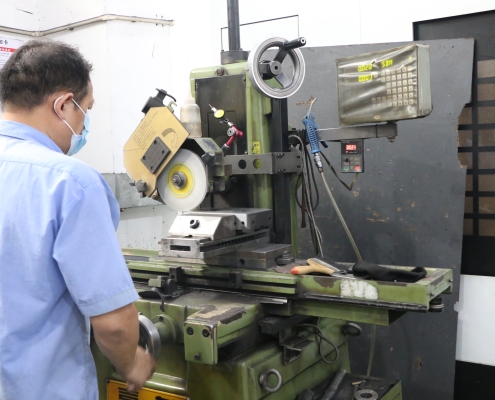
To support your sealing requirements, we prioritize the surface roughness of the gasket channels and the overall flatness of the mating flanges. We use high-speed finishing passes to ensure the grooves are free of burrs and steps, providing a clean seat for O-rings to compress evenly. For high-IP requirements, we can maintain flange flatness within 0.05mm to prevent gaps when the housing is bolted together.
Whether you are designing for splash-proof or submersible applications, we machine the precise features needed for your sealing strategy, such as threaded ports with clean lead-ins for cable glands. The result is a CNC machined enclosure with stable mating points, allowing your chosen gaskets to perform as intended and reduce the risk of environmental ingress.
Are you looking for metal housings with better EMI shielding?
When you are designing for high-frequency applications, the primary mechanical challenge is maintaining electrical continuity across the housing seams. You’ve likely managed projects where minor surface irregularities or non-conductive finishes at the mating points created gaps in the conductive path, impacting the overall shielding effectiveness of the assembly.
To support your EMI requirements, we focus on the flatness of the mating flanges to minimize physical gaps between the cover and the base. For enclosures that require anodizing, we utilize selective masking to keep grounding points and contact seams as bare metal, providing the low-resistance contact areas necessary for your grounding strategy.
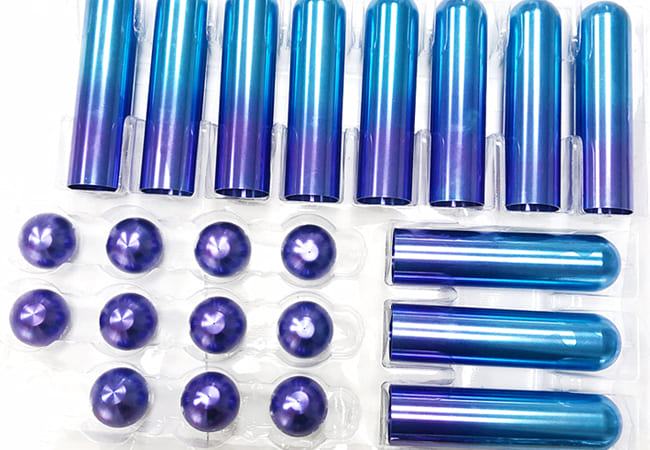
Whether your design incorporates conductive gaskets or chemical conversion coatings, we provide the precise surface finish ($Ra$) and geometric accuracy required for these treatments to bond and function correctly. The result is a CNC machined enclosure with controlled contact surfaces, offering a stable mechanical foundation for your system’s shielding and grounding performance.
Is poor heat dissipation a problem for your CNC enclosures?
If your enclosure design needs extra cooling, you might find that a basic box simply doesn’t have enough surface area. You may also have experienced issues where uneven mounting surfaces prevent your heat-generating components from sitting flat against the housing.
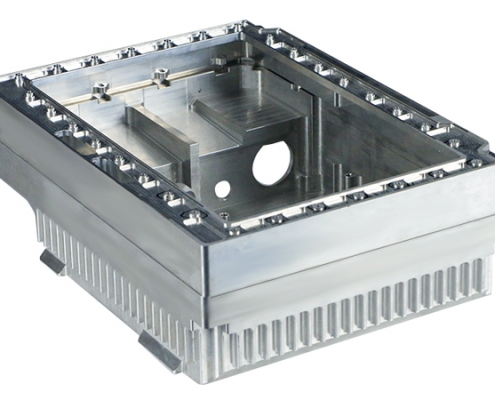
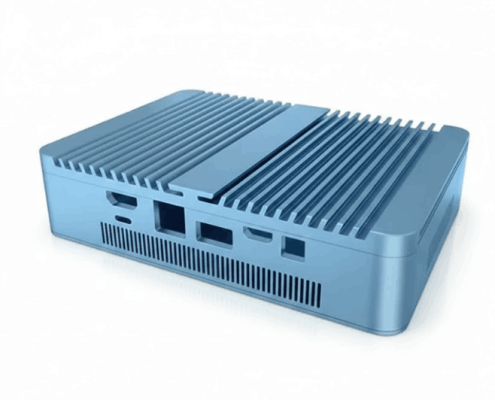
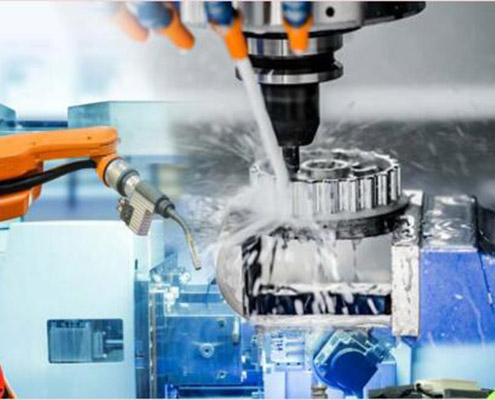
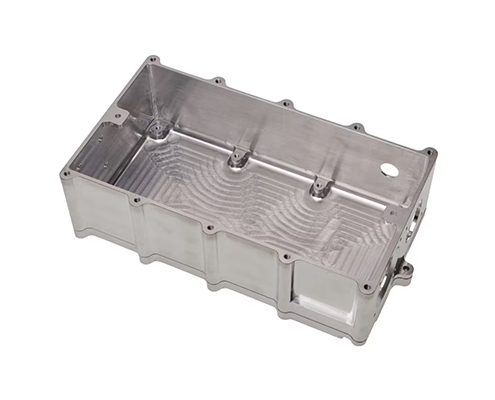
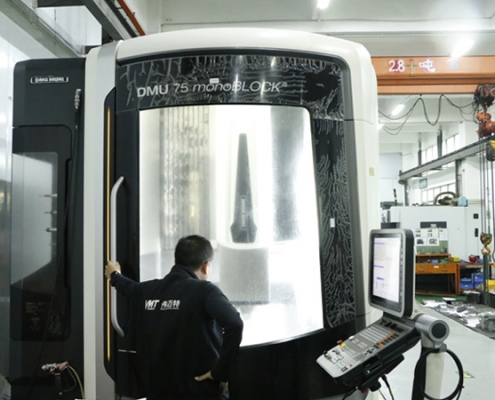
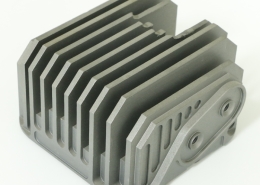
To handle these requirements, we use 5-axis machining to cut cooling fins directly into the enclosure body, adding more surface for cooling without increasing the part’s footprint. We also pay close attention to the flatness of the internal mounting areas, ensuring there are no gaps when you bolt down your components.
Whether your design calls for complex fin patterns or internal channels, we focus on matching the exact dimensions and surface smoothness required by your drawings. You get a CNC machined enclosure that provides the specific cooling structures and flat contact points your project needs.