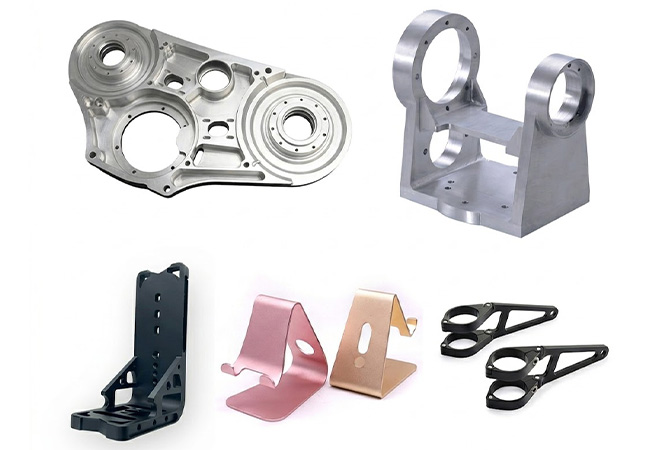
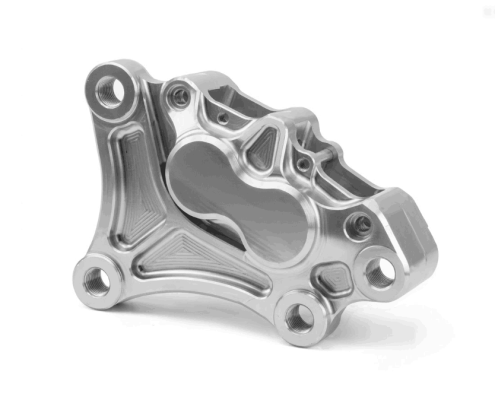
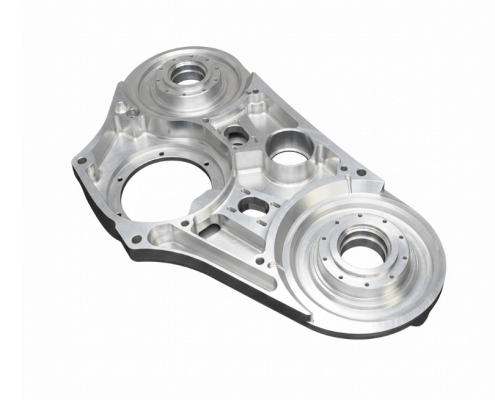
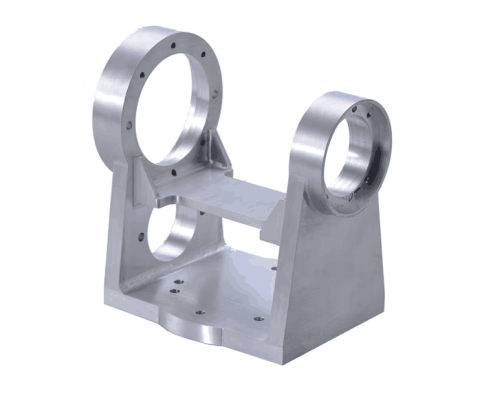
Are threads in your machined brackets not straight or deep enough for secure fastening?
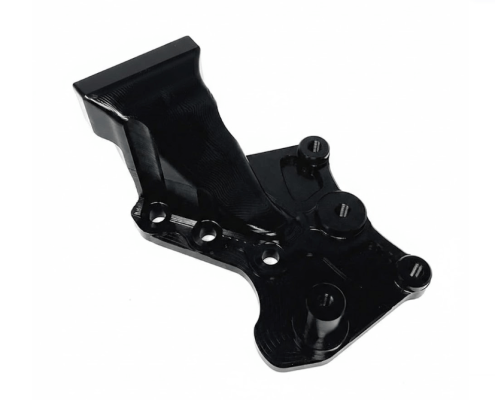
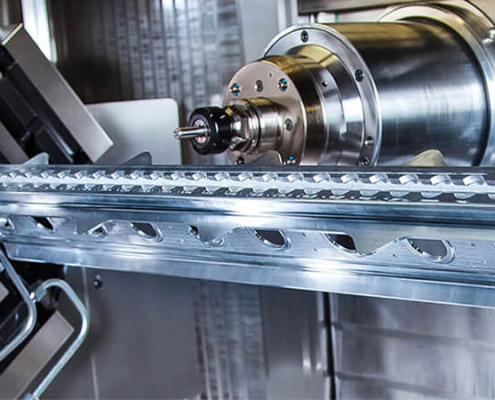
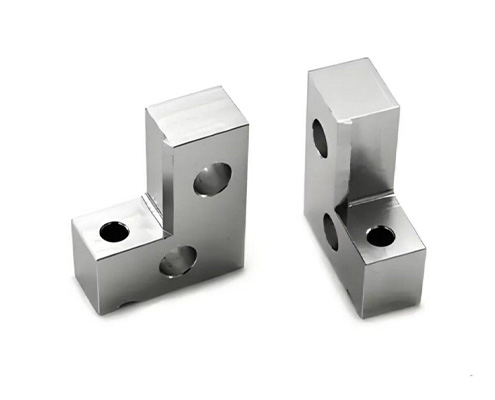
Thread integrity is essential for the structural reliability of a cnc bracket. We address this by utilizing precision tapping centers and CNC thread milling, providing better geometric control than manual methods. Our engineers determine optimal pitch diameter and depth based on the specific material grade to minimize stripping risks. By implementing systematic go/no-go gauge inspections, we help maintain thread perpendicularity and depth within your specified tolerances. This controlled process supports secure fastening under operational vibrations, reducing the likelihood of loosening in critical industrial assemblies.
Worried that inferior materials could affect the strength of your CNC brackets?
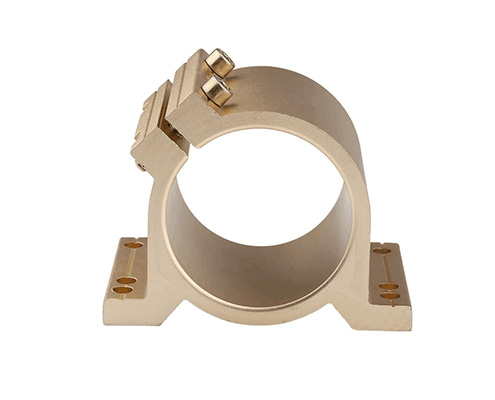
Material reliability is the foundation of a high-performance cnc bracket. We mitigate risks by sourcing raw stock exclusively from audited suppliers providing full Material Test Reports (MTRs). Before production, we verify that chemical composition and mechanical properties align with international standards like ASTM or ISO. Using verified 6061-T6 or 304 stainless steel helps avoid common defects like internal porosity. This rigorous vetting process helps support predictable load-bearing behavior in your custom bracket cnc, ensuring the raw material meets the structural requirements of your specific application.
Are contact surfaces on your machined brackets not flat or consistent?
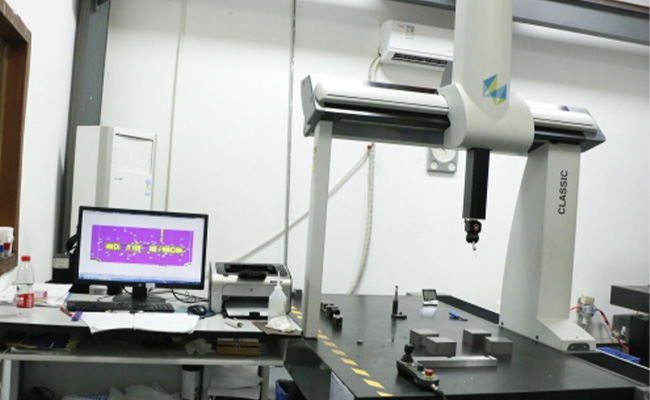
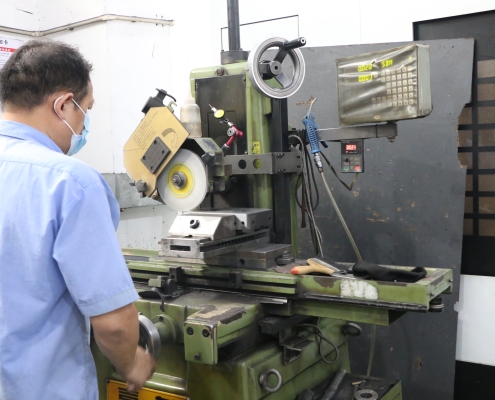
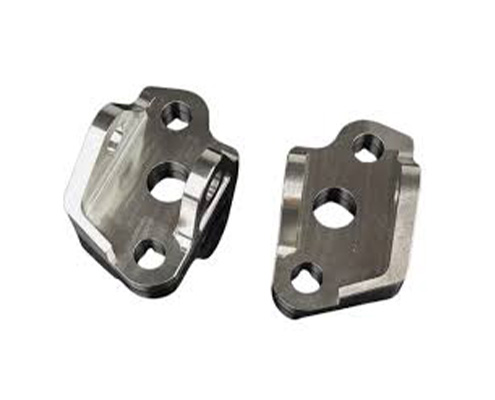
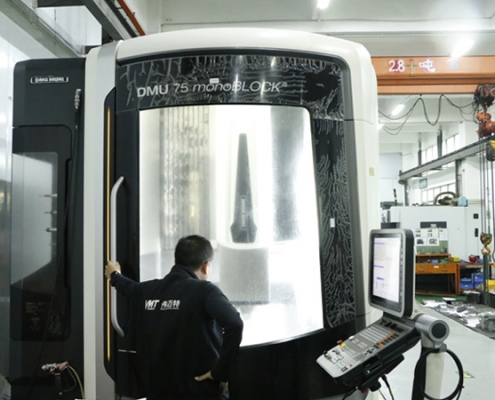
Maintaining high flatness consistency is a technical priority for any cnc bracket used in precision alignment. We achieve this through optimized face-milling and grinding operations on 5-axis machines. To manage material warping, we employ strategic fixturing and stress-relief cycles that help stabilize internal tension during metal removal. Critical mating surfaces are verified via CMM to ensure flatness stays within specified tolerances, such as ±0.01 mm. This level of consistency promotes a flush fit during installation, maintaining consistent mating and thermal contact performance across your final system.
Could your CNC brackets develop cracks due to stress concentration over time?
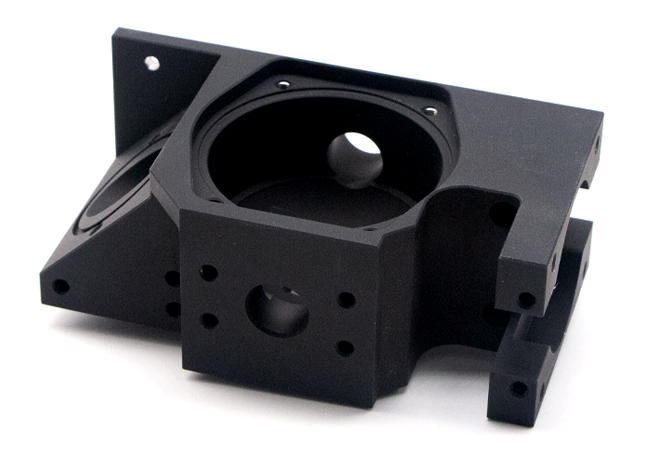
Managing stress concentration is vital to long-term reliability in structural components. As one of the experienced cnc turning bracket factories, we address this during DFM by recommending appropriate corner radii to eliminate sharp internal notches that act as stress risers. By maintaining controlled machining speeds and high-quality surface finishes, we help reduce conditions that may lead to micro-crack formation. Our focus on precise geometry and specialized heat treatments contributes to long-term structural reliability, helping the cnc bracket withstand fatigue-related risks throughout its intended operational life.