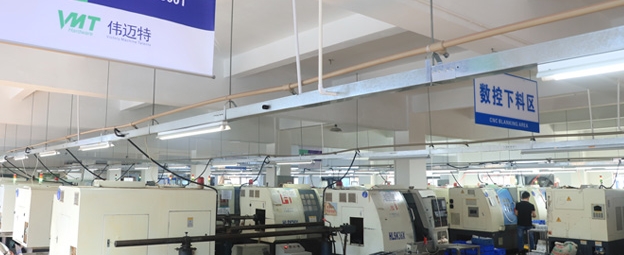
Mechanical engineering drawings are essential to every stage of the product development lifecycle. From conceptualization to assembly, these drawings serve as blueprints that guide the creation of mechanical parts.
Titanium prices range from $2 to $30 per pound depending on grade and form, but material cost alone does not determine your final part price. See how machining, tolerances, and design affect the true cost of titanium CNC machined parts.
No, titanium is not magnetic. It is classified as paramagnetic, which means it has a very weak, temporary attraction to magnetic fields. In some cases, titanium can also be considered diamagnetic, though this effect is even weaker than its paramagnetic behavior. This means titanium does not have the ability to strongly attract magnets like ferromagnetic metals such as iron or cobalt.
Aluminum is not magnetic. While it is weakly attracted to magnets due to its paramagnetic properties, this effect is negligible in most applications.
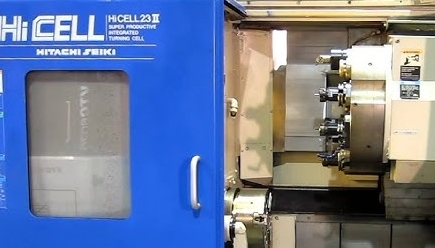
Hitachi Seiki CNC lathes combine precision, reliability, and versatility to cater to diverse industries. Discover how they can elevate your machining projects today.
Billet aluminum does not have a grain in the traditional sense, like wood or forged metals. Its microstructure, influenced by its casting and machining processes, offers uniform properties across all directions, making it ideal for precision components and high-performance applications.
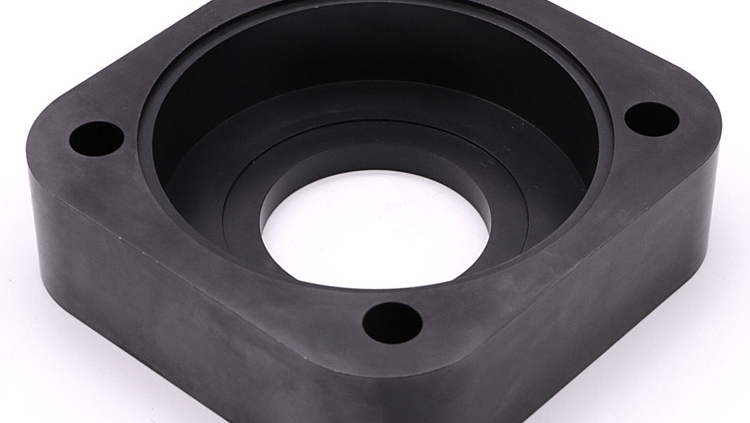
Black oxide coating, also referred to as black oxidation, is a type of conversion coating that forms a thin, dark layer on metal surfaces, typically steel and iron. This process is widely used in industries where metal parts require both protection and enhanced performance.
A bike handlebar extender is a simple yet effective accessory that can transform your ride. VMT provides CNC machining handlebar accessories services that ensure unparalleled accuracy and quality in every product crafted.
Tungsten in its pure form is not magnetic because its atomic structure doesn’t allow for the alignment of magnetic domains, which is necessary for magnetism. However, when tungsten is alloyed with other metals, it can exhibit weak ferromagnetic properties, though the magnetism is generally quite limited.
Yes, cast iron is generally magnetic, as it is primarily composed of iron, a ferromagnetic material. However, the extent of its magnetism can vary significantly depending on the specific type of cast iron and its composition.