Concerned About Uncertified Alloys or Lack of Traceable Data for Custom EV Parts Manufacturing?
In the automotive industry, material integrity is non negotiable. At VMT, we mitigate the risks of uncertified alloys through a process controlled quality management system integrated into our production workflow:
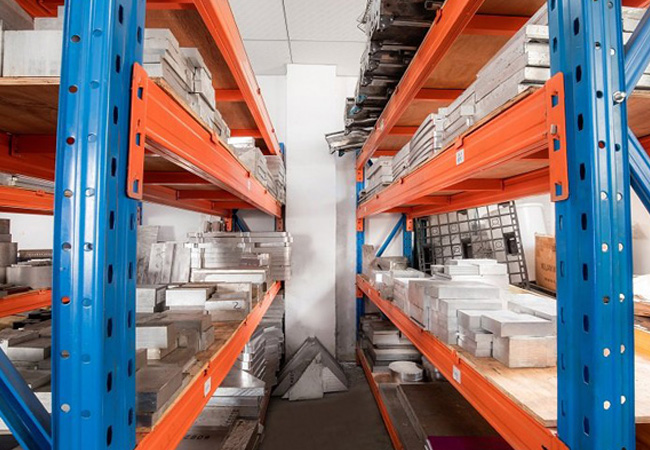
- 100% MTR Traceability: Every batch of raw material is accompanied by a mill certificate. We track the heat number of the alloy from the mill to the finished component, ensuring that the physical and chemical properties conform to your engineering specifications.
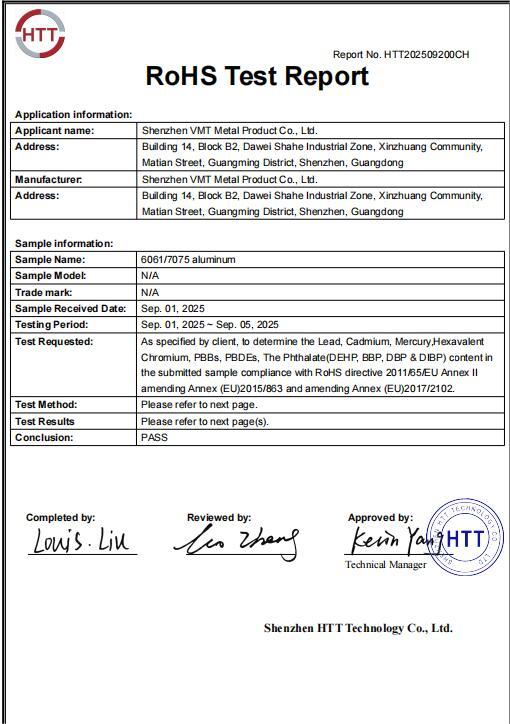
- On Site Material Verification: To prevent the use of substandard market grade alloys, we utilize PMI via OES or XRF technology. This allows our engineers to verify the elemental composition of Aluminum 6061, Copper C11000, or specialized Stainless Steel before machining begins.
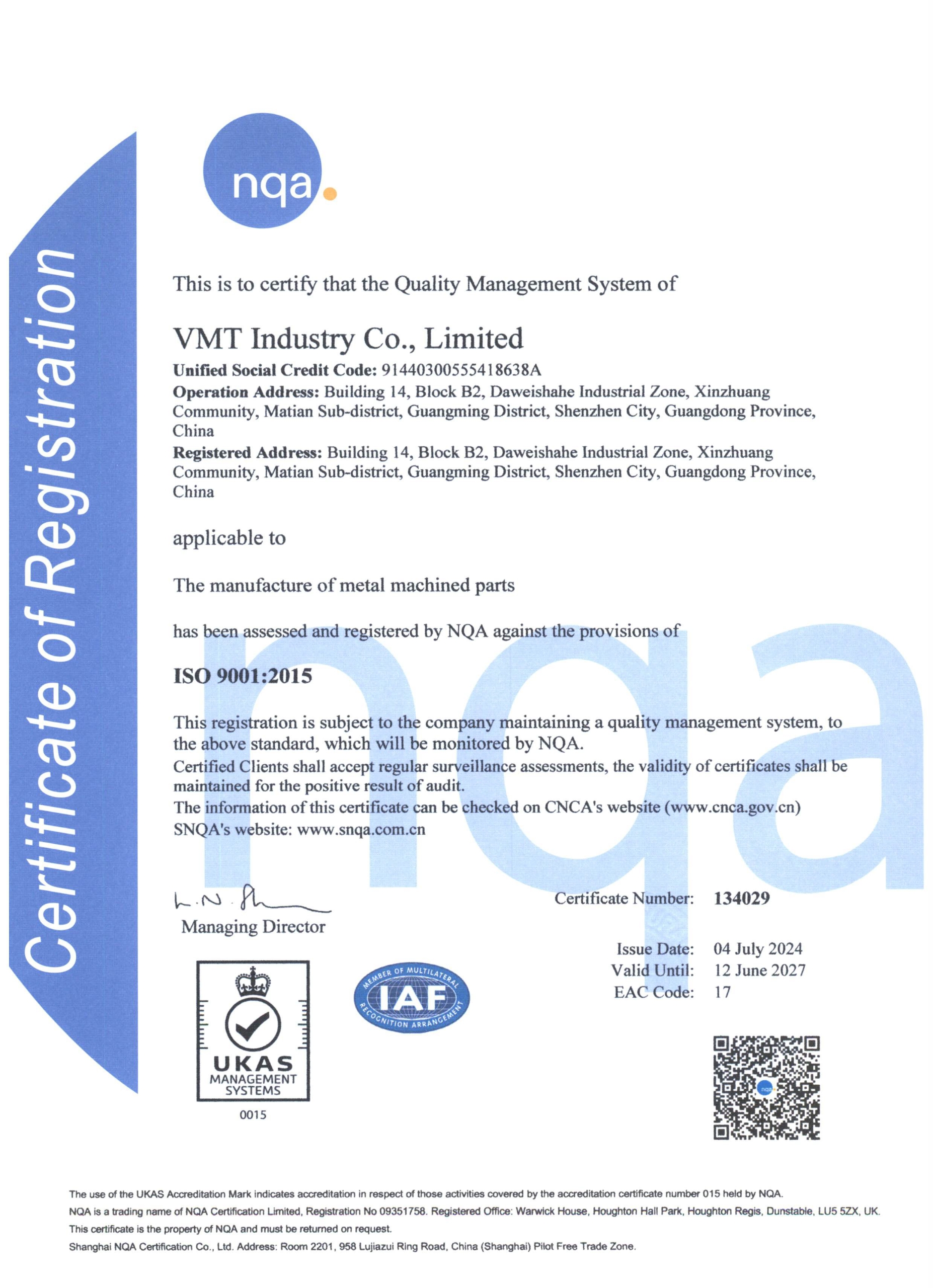
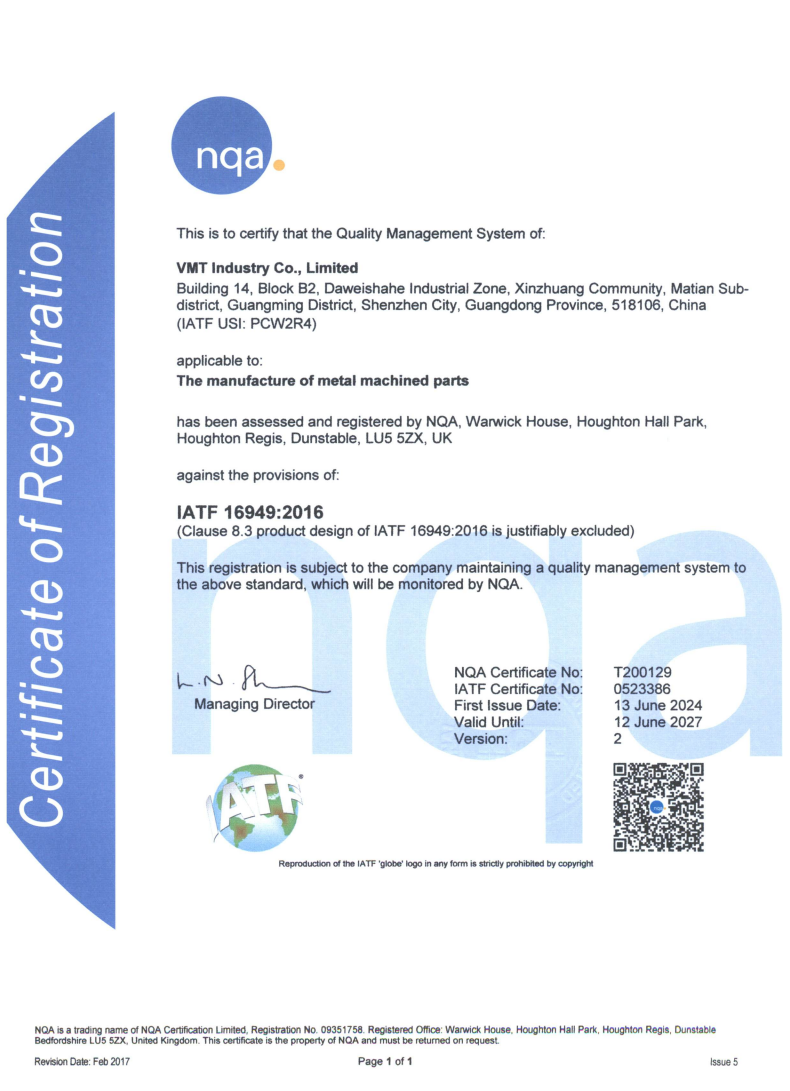
- Compliance with Automotive Standards: Operating under IATF 16949 and ISO 9001 quality systems, we provide full documentation packages including PPAP Level 3 submissions. This ensures that every part meets the validation standards required by Tier 1 and OEM supply chains.
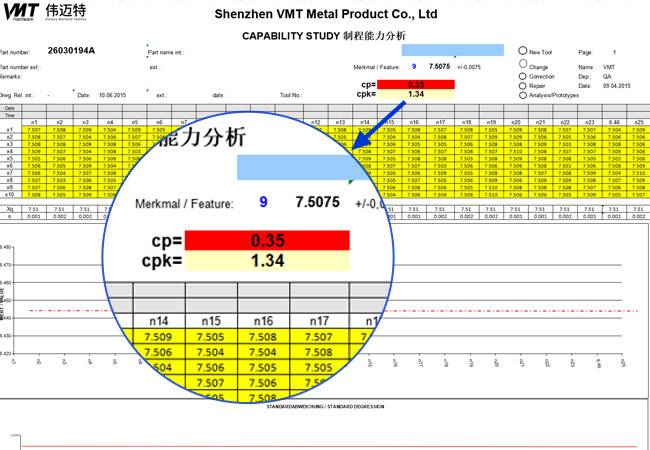
- Digital Archiving and Retention: Our system maintains inspection records and material certifications for years to support product traceability and compliance audits. This level of transparency is essential for high voltage applications, providing a complete history of material compliance for your electrification projects.
By enforcing these protocols, we reduce the risk of material defects and ensure that your components are machined from verified, high performance alloys. We prioritize material authenticity to ensure that every mechanical property meets the specific thermal and structural requirements of the EV environment.
Concerned About Corrosion or Insulation Failures on EV Components?
Surface integrity in electrification systems is a critical factor for long term environmental durability. VMT addresses these challenges through a process controlled quality management system focused on specific electrical and chemical requirements:
-
Dielectric Insulation Barriers: To prevent insulation failures in high voltage environments, we integrate insulating barriers such as G10 FR4 laminates or epoxy powder coating finishes. We verify dielectric strength and coating thickness to ensure these components prevent electrical arcing and maintain system safety standards.
-
Advanced Corrosion Protection: For parts exposed to harsh environments, we utilize electroless nickel plating and zinc nickel plating. These finishes provide superior salt spray resistance, protecting critical aluminum and copper substrates from corrosion and premature degradation.
-
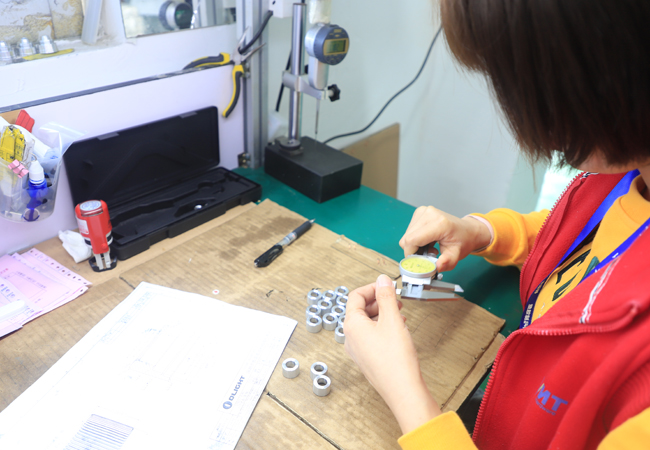
Controlled Finishing Protocols: Our engineering team manages the transition from machining to finishing by maintaining strict surface roughness standards. Achieving a Ra 0.8μm finish or finer before plating ensures optimal adhesion and uniformity of the protective layer, reducing the risk of material defects or delamination.
By integrating these technical finishing standards into our production workflow, we ensure your components meet the corrosion resistance and durability requirements of the EV environment. We focus on consistent surface performance to ensure that every protective layer conforms to the rigorous quality standards of the automotive industry.
Need a CNC Partner for Thin-Walled or Complex 5-Axis EV Parts?
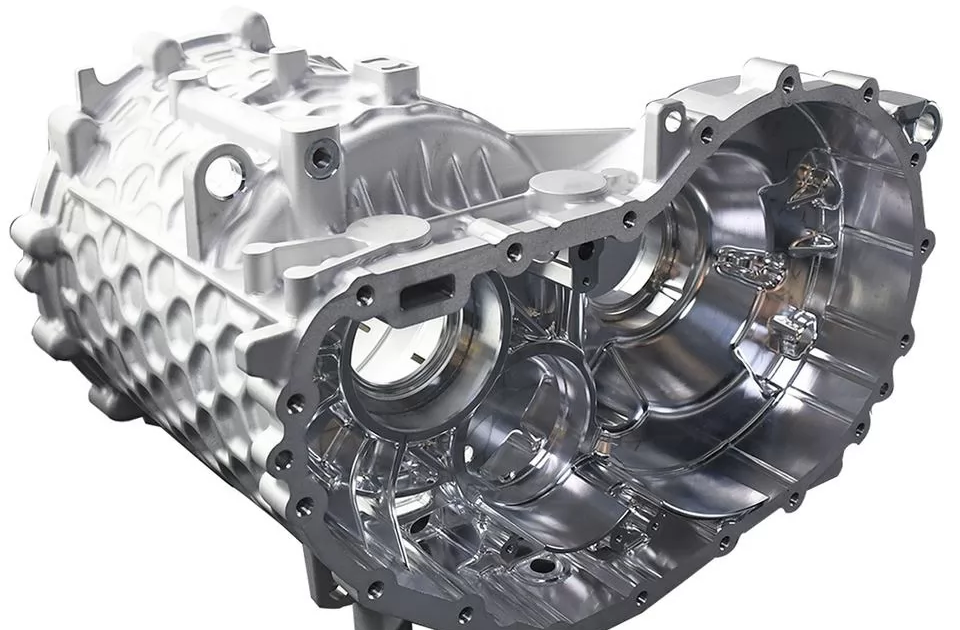
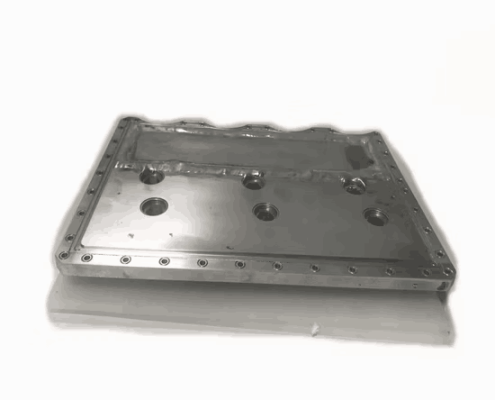
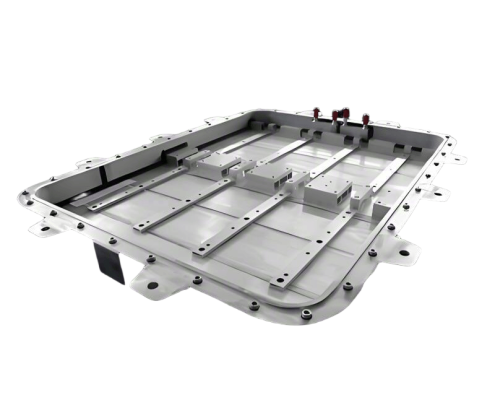
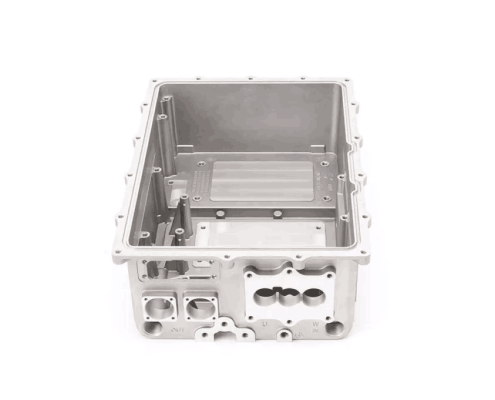
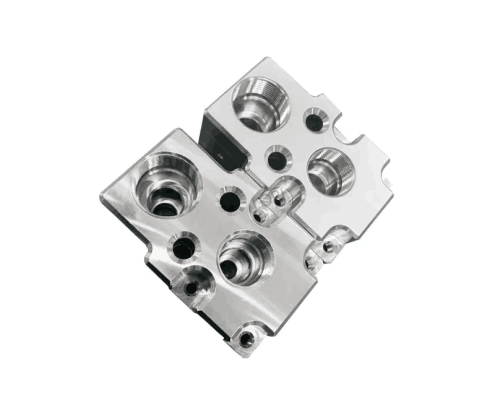
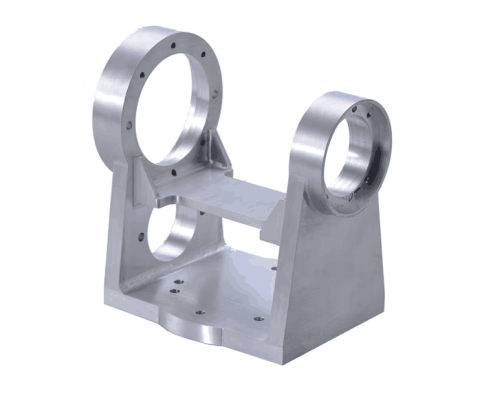
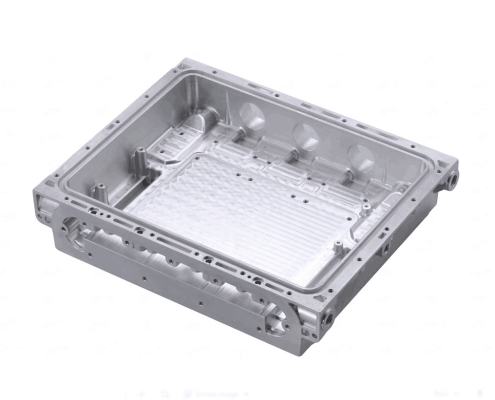
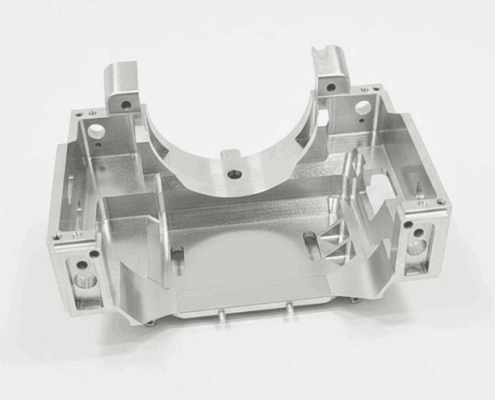
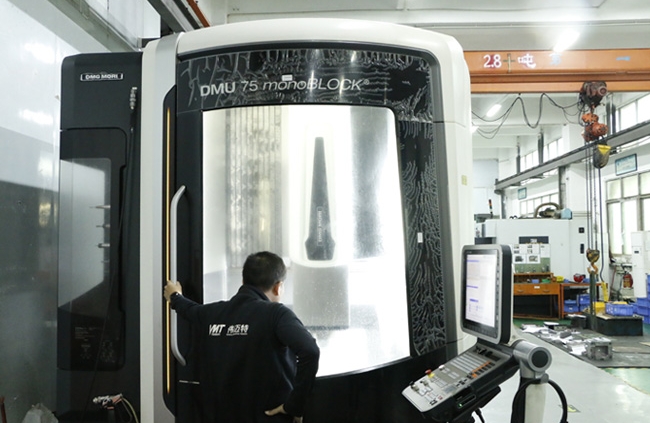
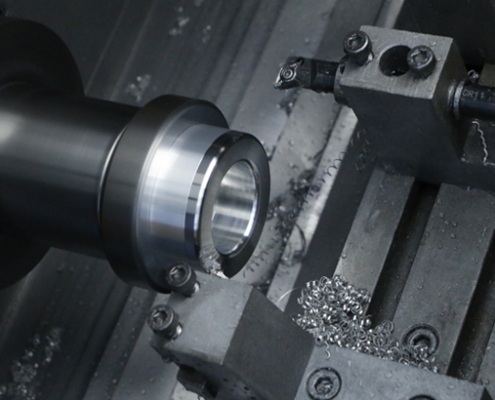
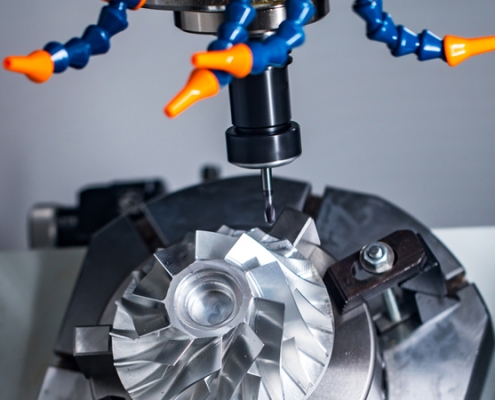
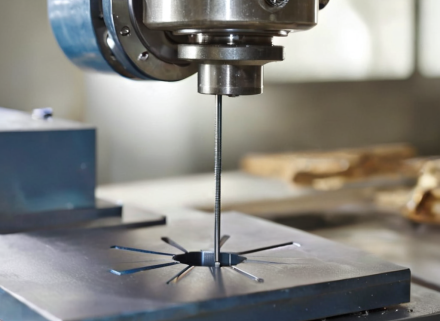
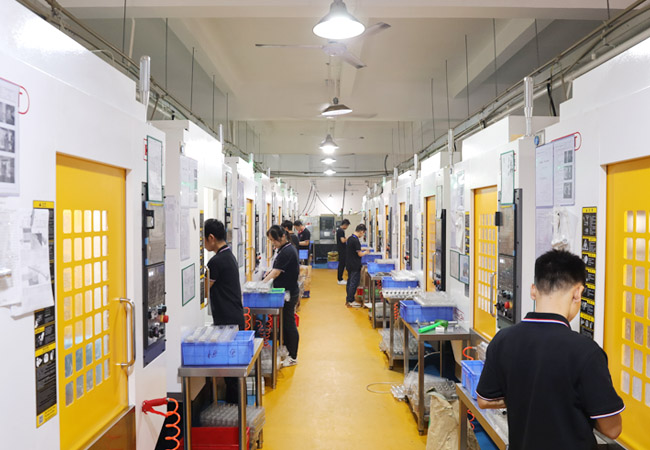
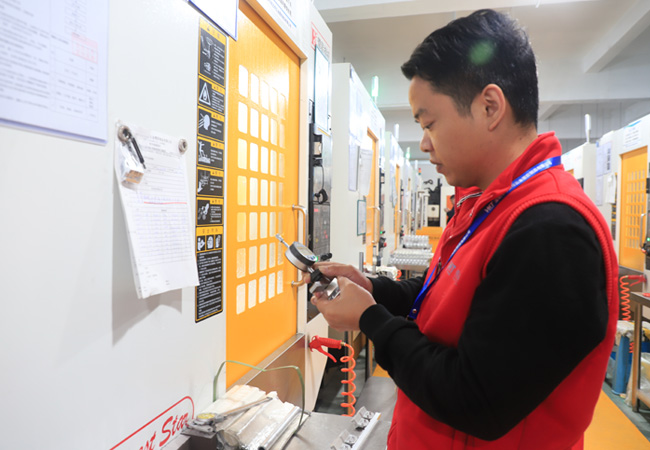
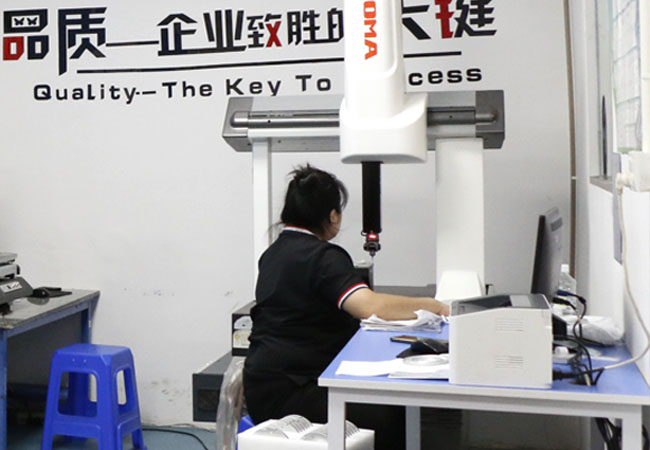
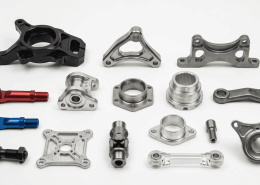
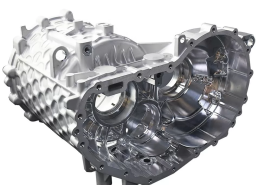
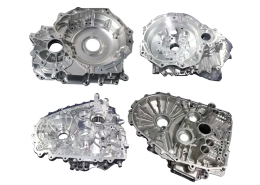
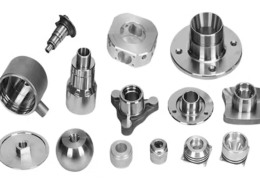
Achieving dimensional stability in thin walled EV parts manufacturing requires an engineering approach that goes beyond basic machining. VMT utilizes advanced 5-axis CNC machining to produce complex geometries such as battery cooling plates and lightweight structural brackets in a single setup, which significantly reduces the risk of cumulative tolerance errors. Our process control based quality system incorporates specialized workholding fixtures and optimized cutting parameters to mitigate material deformation and dimensional distortion during the removal of thin sections. By maintaining a Ra 0.8μm finish or finer and utilizing CMM inspection, we ensure that every intricate feature conforms to your precise engineering specifications. This specialized focus on 5-axis complexity and structural integrity is designed to support both prototype and low volume production, ensuring dimensional consistency across all production batches for your electrification programs.