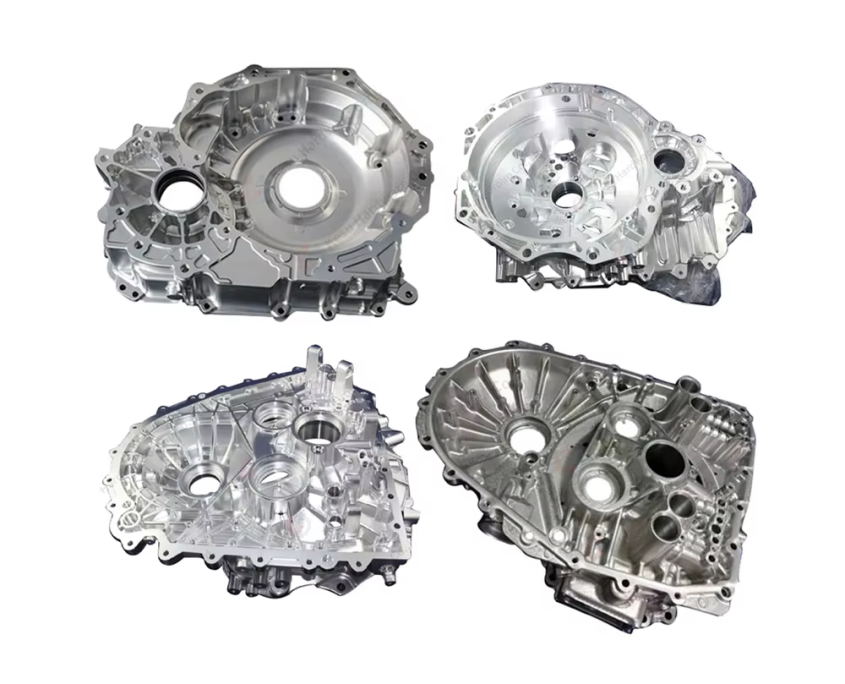
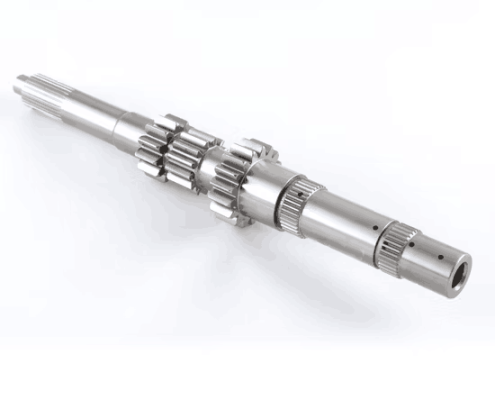
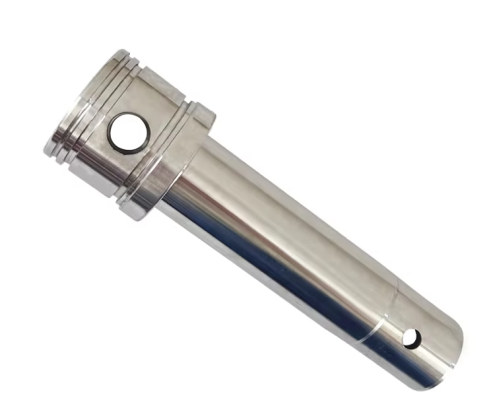
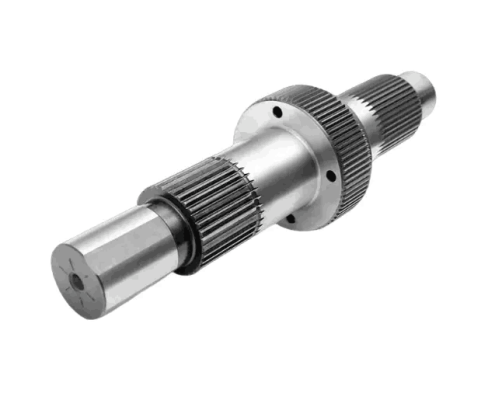
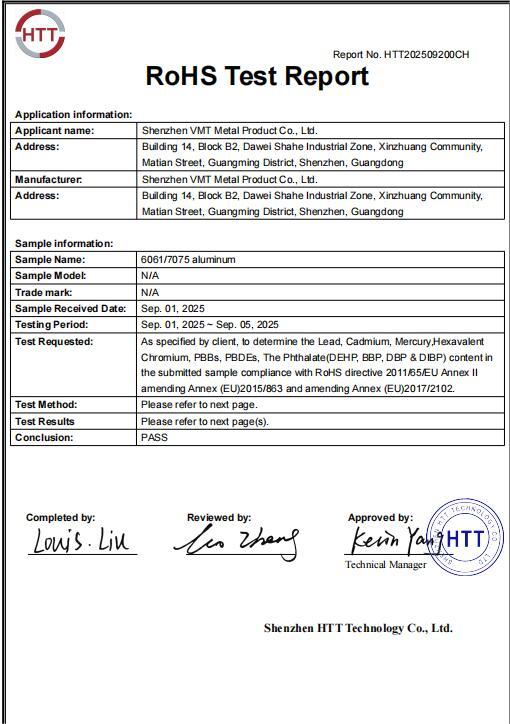
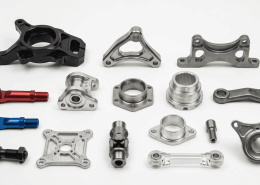
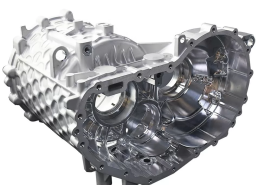
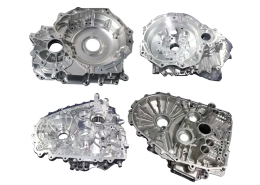
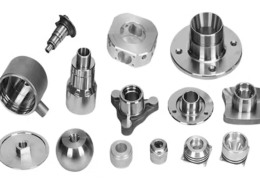
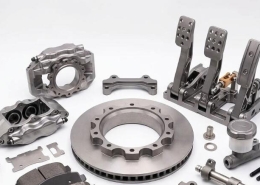
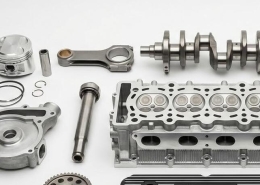
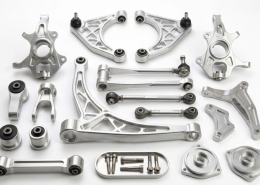
Which material is most durable for automotive transmission parts?
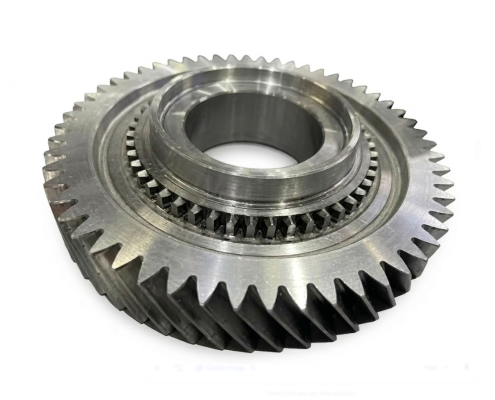
8620 or 20MnCr5 alloy steel is widely considered the most durable choice for automotive transmission parts due to its exceptional carburizing response. These low-carbon alloy steels allow engineers to achieve a dual-phase material structure: a high-hardness outer case (typically HRC 58-62) for superior wear resistance and a relatively ductile, tough core to absorb heavy shock loads without fracturing.
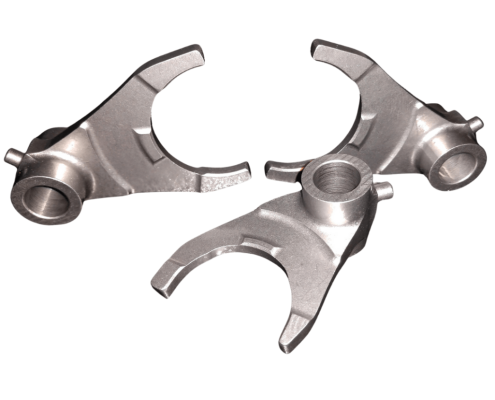
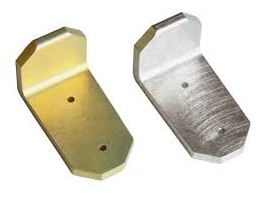
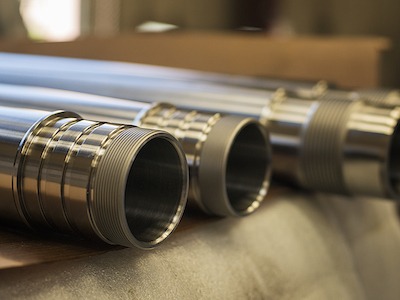
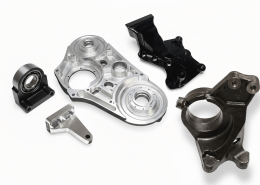
While 4140 or 4340 chromoly steels are often used for high-strength shafts, they lack the specific surface-to-core hardness gradient provided by 8620, which is essential for gears subjected to constant contact fatigue. For specialized racing applications, Grade 5 titanium may be utilized for high-stress brackets or specialized vehicle transmission & drivetrain parts to maximize strength-to-weight ratios; however, it is rarely used for gears due to poor sliding wear resistance. For the vast majority of industrial drivetrain systems, carburized alloy steel remains the industry benchmark. This material ensures that automotive transmission parts maintain dimensional stability and structural integrity under extreme torque.
Are machining errors or heat treatment deformations ruining your custom automotive transmission parts?
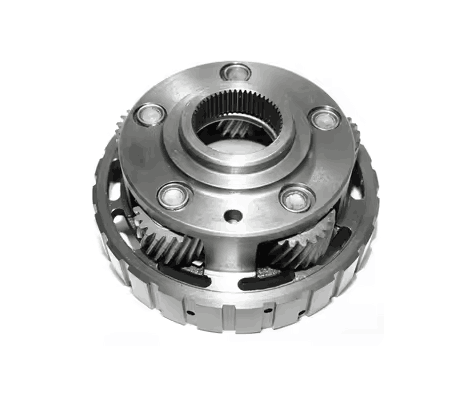
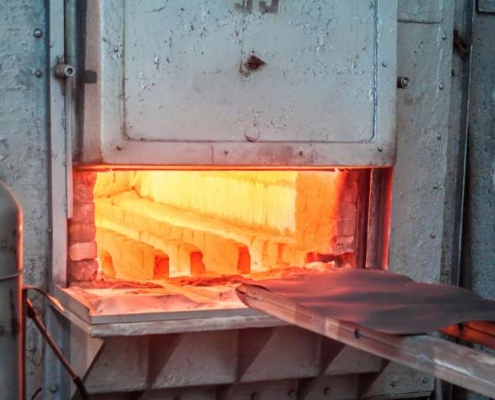
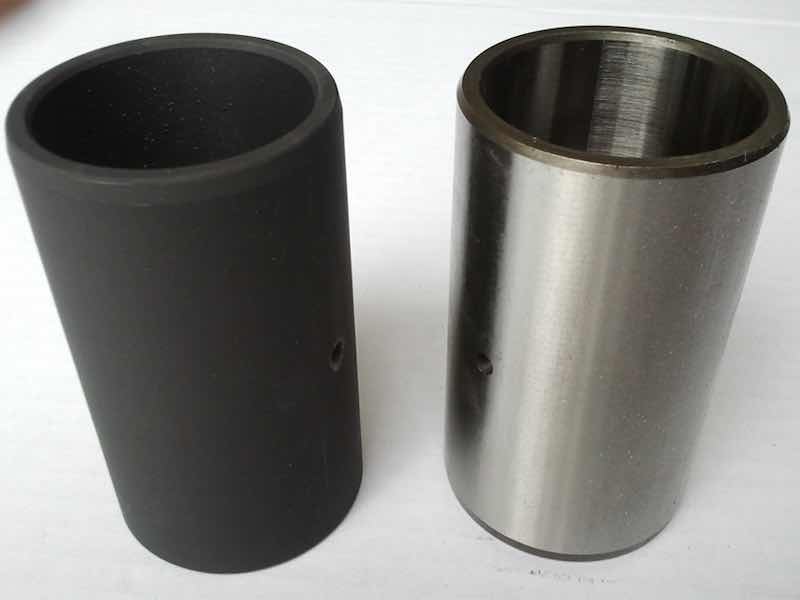
In precision drivetrain manufacturing, the transition from a soft-machined blank to a hardened component is where most quality failures occur. Heat treatment, particularly carburizing, is essential for achieving the HRC 58-62 surface hardness required for gear longevity, but it inevitably introduces heat-treatment distortion. If your manufacturing partner does not account for this warp and dimensional shift, even the most precise car transmission parts can suffer from excessive noise, vibration, and premature gear tooth failure.
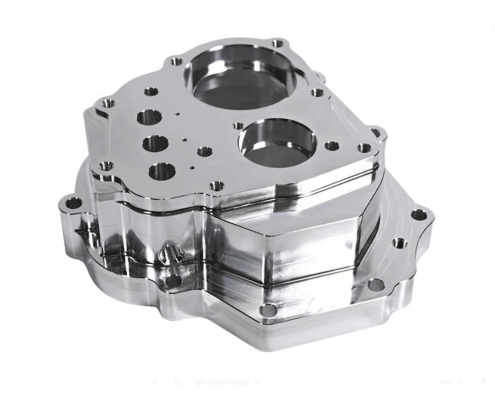
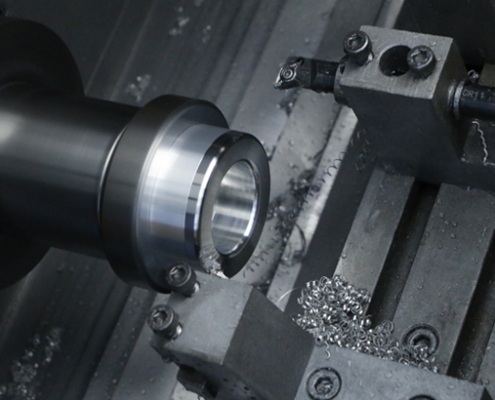
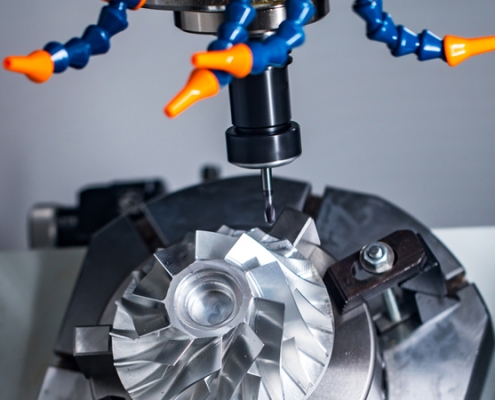
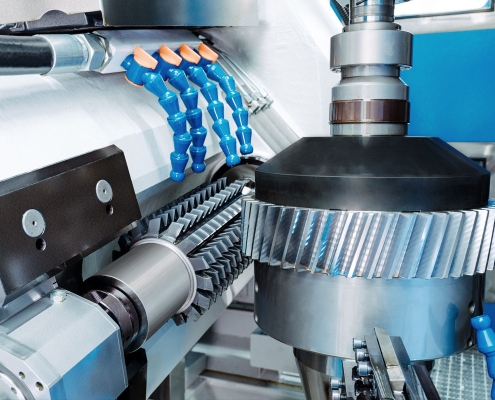
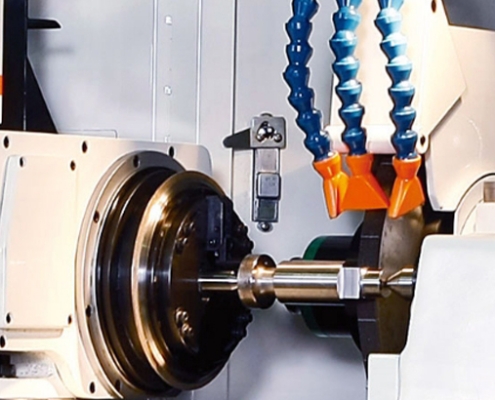
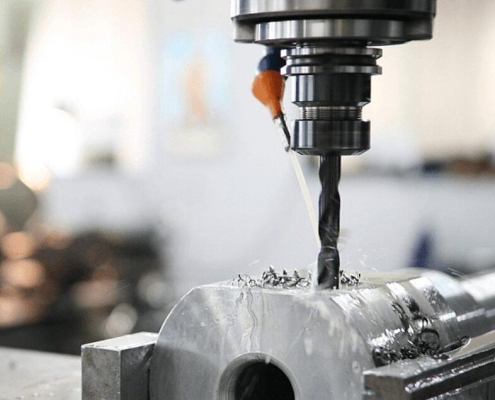
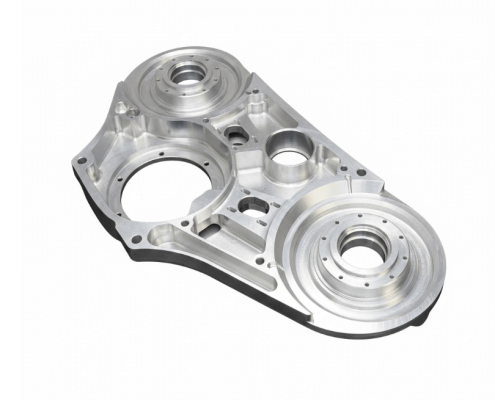
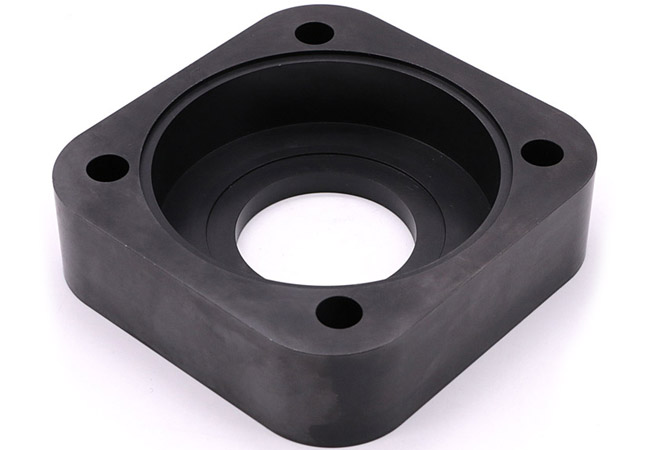
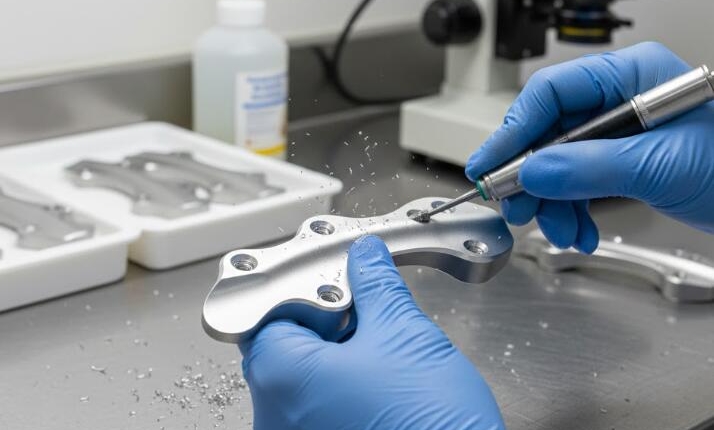
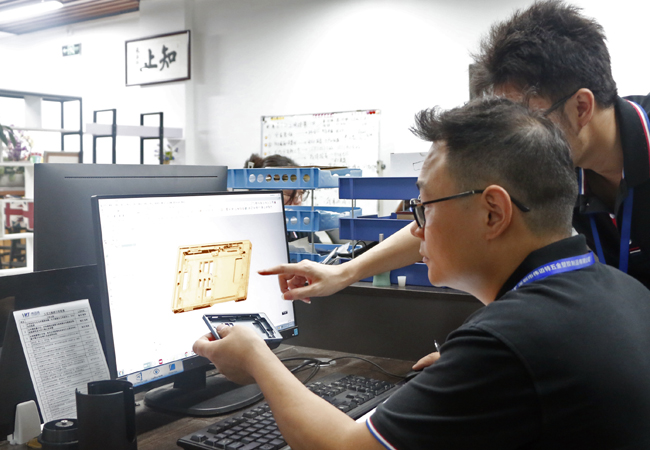
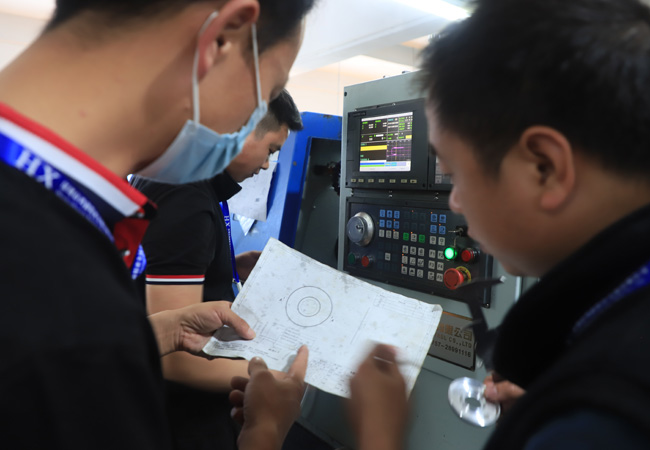
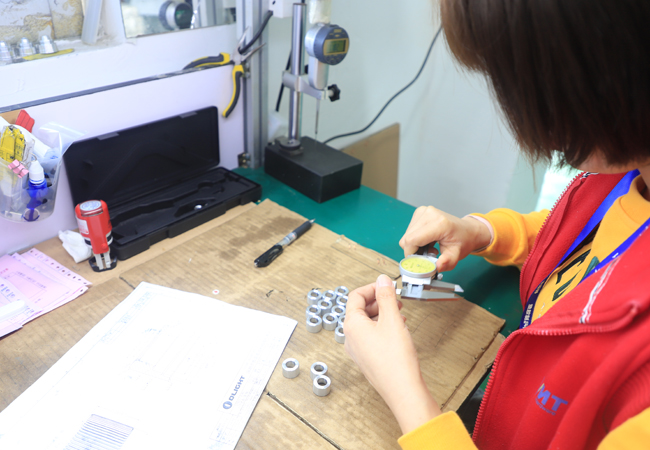
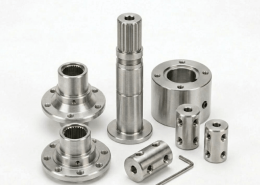
To overcome these challenges, professional cnc machined transmission parts production must utilize a “hard machining” strategy. This involves leaving specific grinding allowances (typically 0.15mm to 0.25mm) during the initial CNC turning and milling stages. After the heat treatment is complete, high-precision OD/ID grinding or hard turning is performed to correct the unavoidable deformations. This multi-stage approach ensures that critical features, such as bearing seats and spline profiles, maintain single-digit micron tolerances and tight concentricity control. By integrating distortion management into the engineering phase, we ensure that automobile transmission parts deliver smooth power transfer and maximum fatigue resistance under high-torque conditions.