Why Full MTR Material Traceability is Mandatory for Safety-Critical CNC Racing Parts?
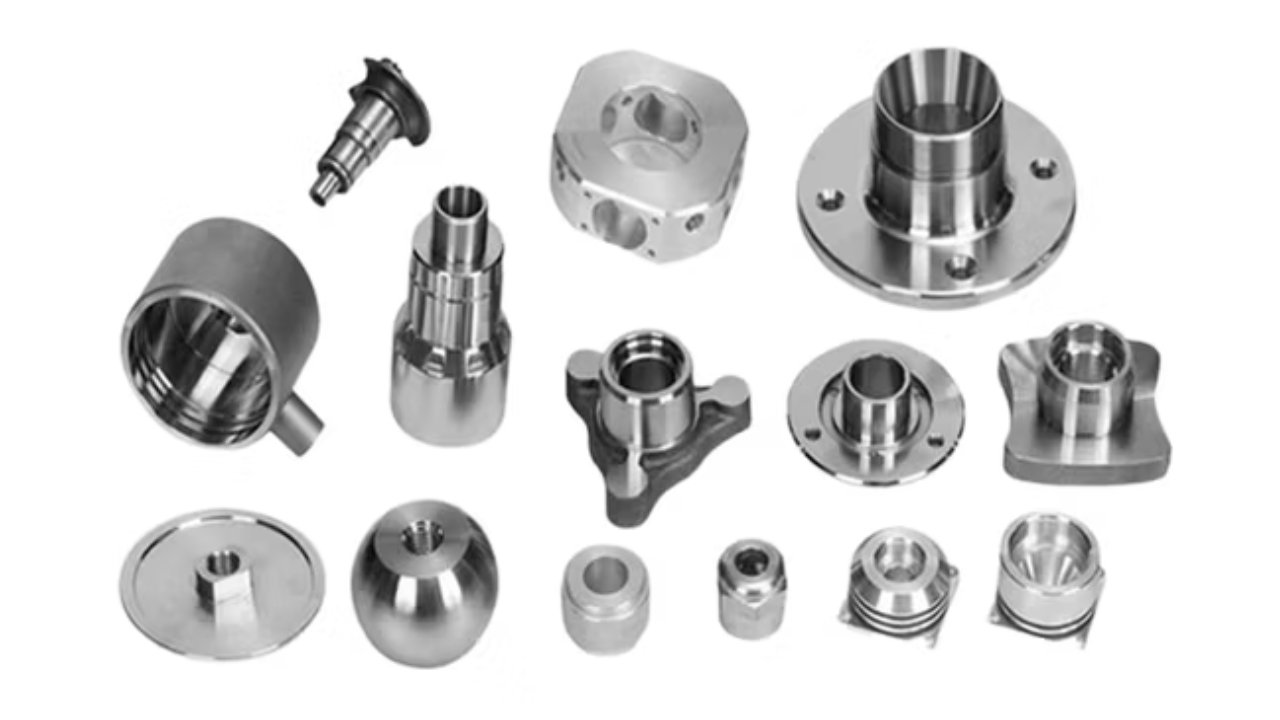
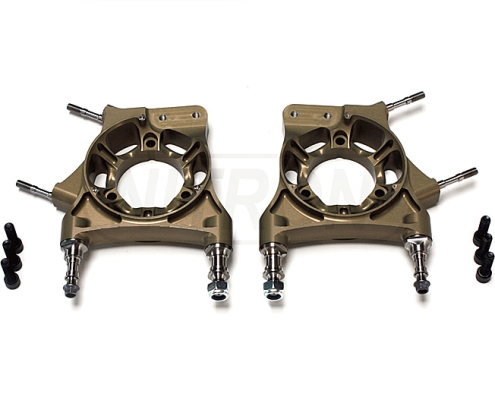
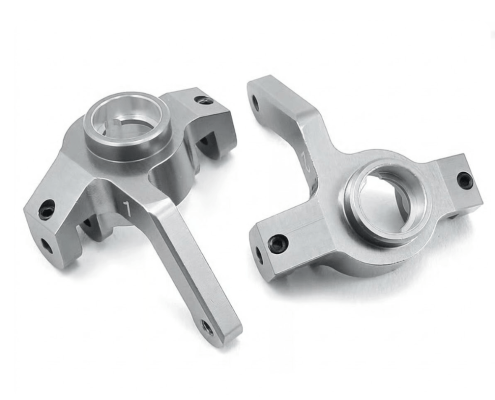
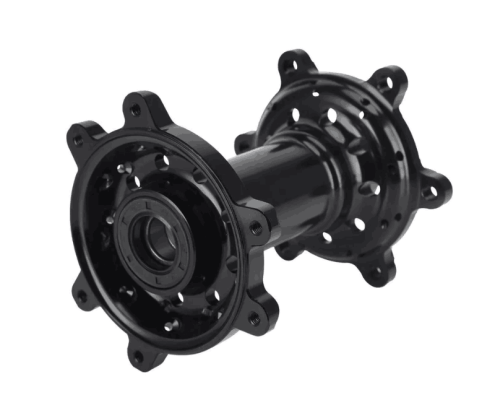
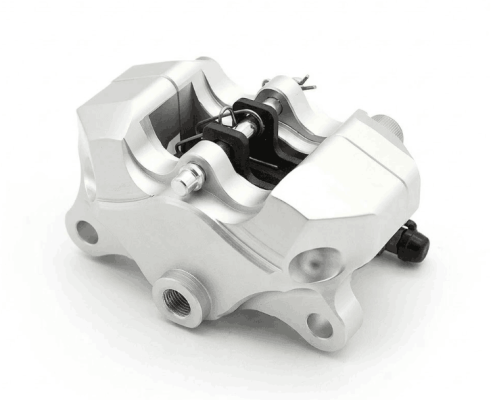
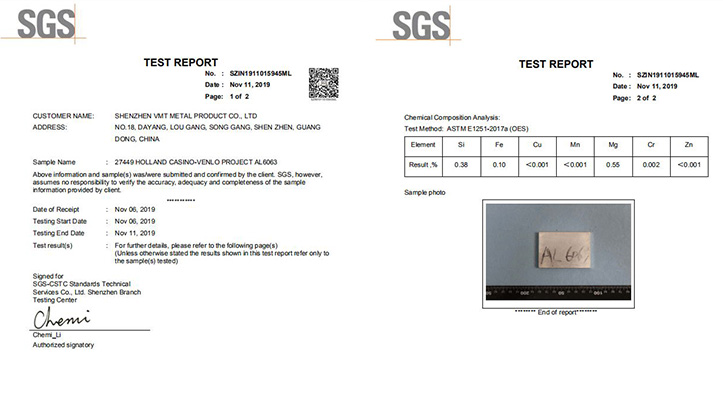
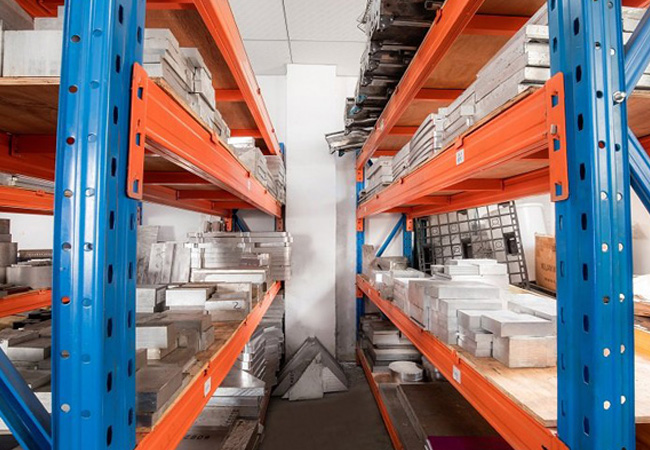
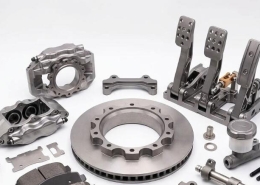
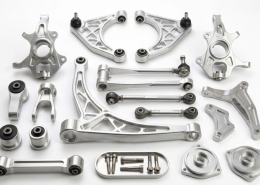
In the high-stakes environment of professional motorsport, MTR (Mill Test Report) traceability is a fundamental safety protocol rather than a mere administrative requirement. For cnc racing parts such as steering knuckles, suspension uprights, or brake calipers, a material failure during high-speed cornering or heavy braking can be catastrophic.
Full material traceability with Heat Number tracking provides three essential engineering safeguards:
- Certification of Mechanical Properties: An MTR certifies that the specific melting batch of 7075-T6 or Titanium Gr5 meets the required yield strength, tensile strength, and elongation limits. This prevents the use of sub-standard or inconsistently processed alloys that may appear identical but lack the internal grain structure integrity to withstand cyclic fatigue under racing loads.
- Chemical Composition Verification: Traceability ensures that key alloying elements—such as Zinc in 7075-T6 or Vanadium in Ti-6Al-4V—are within the precise percentage ranges specified by ASTM/AMS standards. This consistency is vital for a predictable heat treatment response and the overall mechanical performance of the finished cnc racing parts.
- Root Cause Analysis & Containment: Should a component fail on the track, the Heat Number allows engineers to perform a focused investigation back to the material’s origin. This enables effective containment actions, identifying if other components from the same lot are at risk, thereby preventing wider-scale fleet failures across a race team’s inventory.
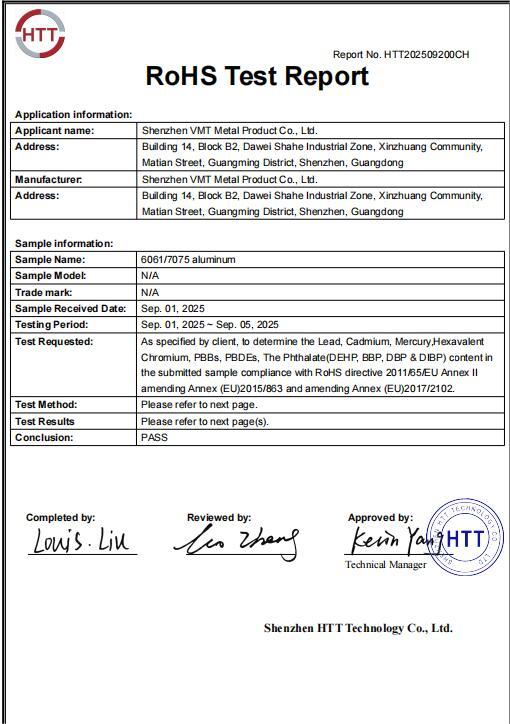
At VMT, we consider MTR documentation the foundation of material integrity, ensuring that every cnc racing performance parts order is backed by verified metallurgical data and full lot traceability.
Which Machining Process is Most Efficient for CNC Racing Parts with Intricate Weight-Reduction Pockets?
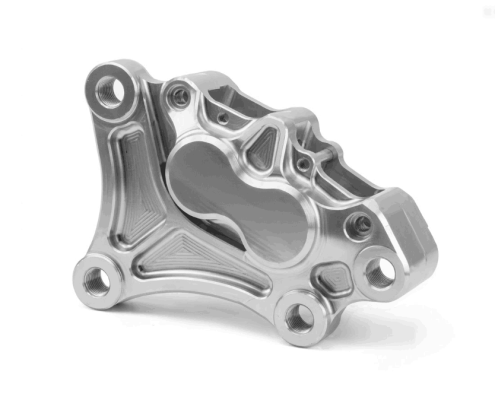
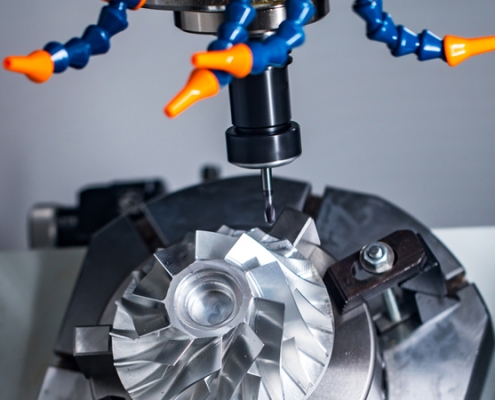
For manufacturing cnc racing parts featuring complex weight-reduction pockets and organic geometries, 5-axis simultaneous CNC milling is widely considered one of the most efficient and technically superior processes. Unlike traditional 3-axis machining, which requires multiple setups and manual repositioning to reach different faces of a component, 5-axis technology allows the cutting tool to approach the workpiece from all angles in a single setup.
This single-setup approach is critical for high-performance cnc racing parts for several engineering reasons:
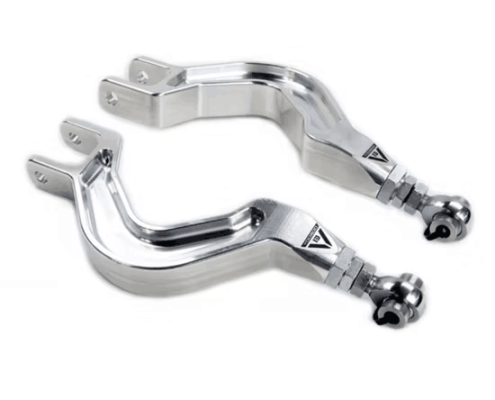
- Complex Undercutting & Tool Rigidity: Components like suspension uprights or hollowed-out control arms utilize deep pockets to shave grams without sacrificing structural rigidity. By tilting the workpiece, 5-axis milling enables the use of shorter, more rigid end mills. This minimizes tool deflection, allowing for more aggressive material removal rates and superior dimensional stability across complex geometries.
- Surface Integrity & Fatigue Life: By maintaining an optimal “angle of attack” between the tool and the part surface, 5-axis machining achieves a superior Ra finish in deep pockets. For cnc racing performance parts, this is vital as it reduces the micro-scratches that can act as stress risers—common starting points for fatigue failure during high-G racing conditions.
- Precision and Alignment: Eliminating multiple fixtures reduces cumulative stack-up errors and ensures that the wall thickness between weight-reduction pockets remains consistent and perfectly aligned with the part’s primary datum. This level of precision is mandatory for ensuring predictable mechanical behavior under extreme mechanical stress.