Are the surface finishes on your Custom CNC Machined Vehicle Engine Parts meeting the specific sealing requirements?
-
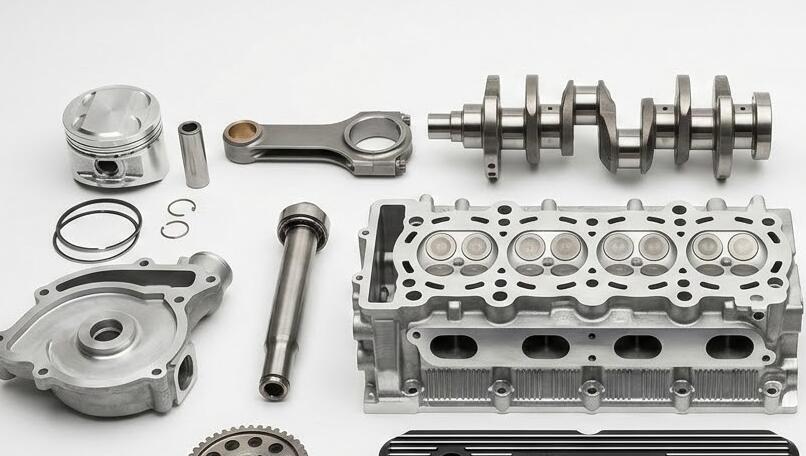
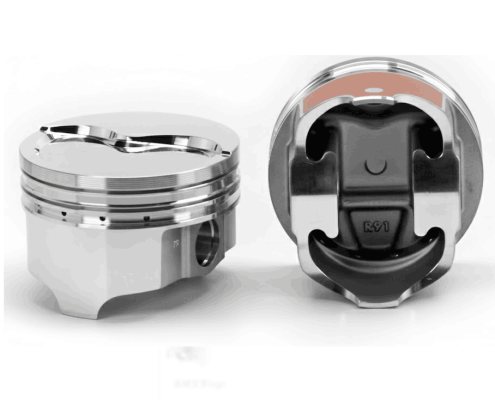
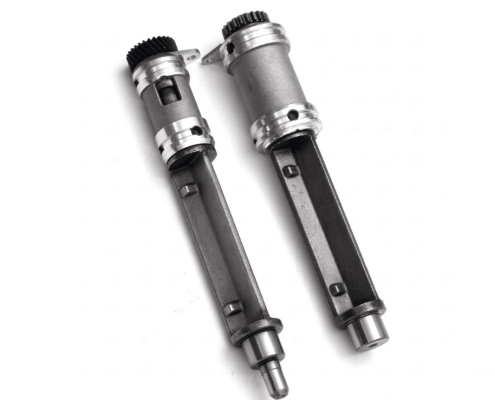
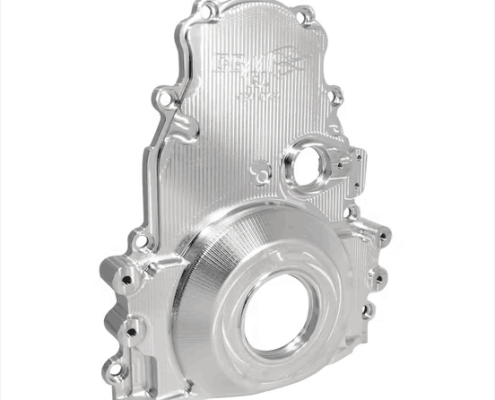
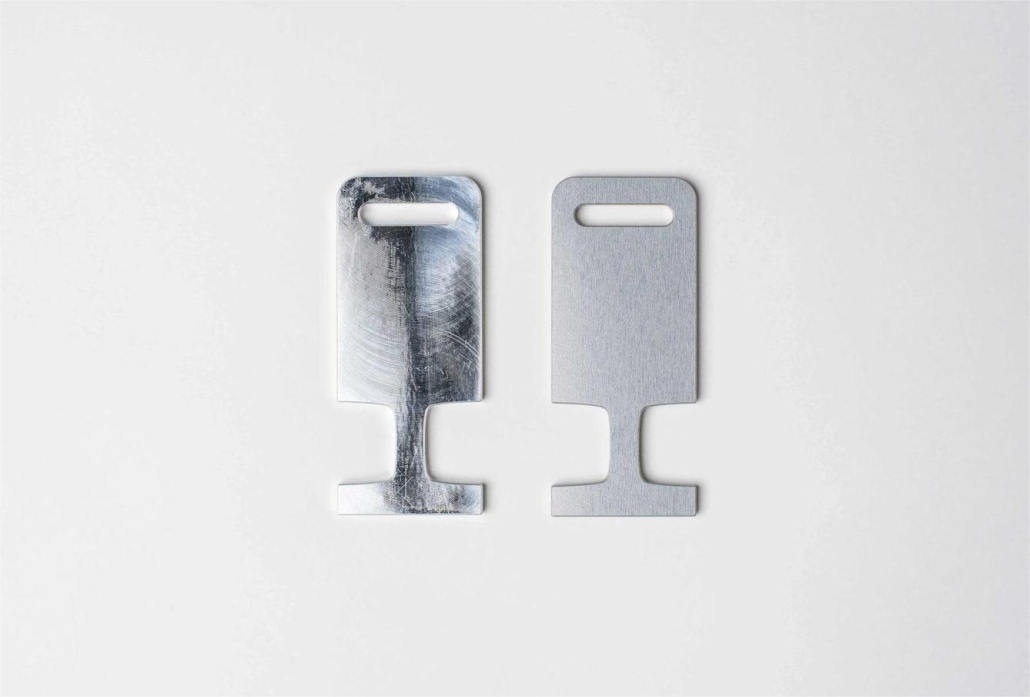
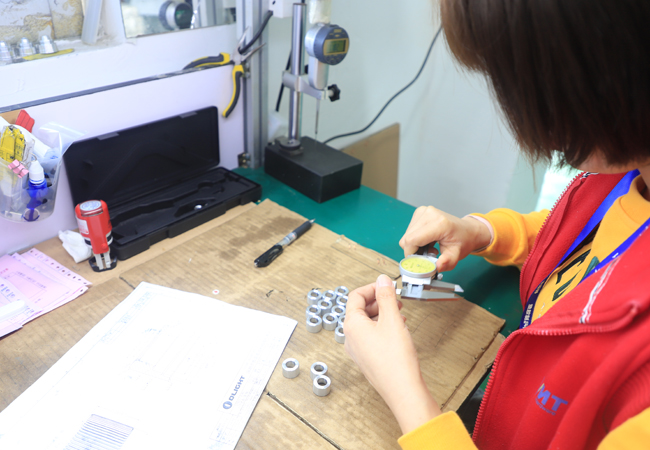
Maintaining Targeted $Ra$ Values for Component Integrity:To ensure the reliability of cnc engine parts, we strictly adhere to the surface roughness specifications defined in your engineering prints. By utilizing calibrated contact-type testers, we verify that the $Ra$ values of mating surfaces provide the necessary micro-texture for gasket seatedness, effectively minimizing potential leak paths in pressurized environments.
-
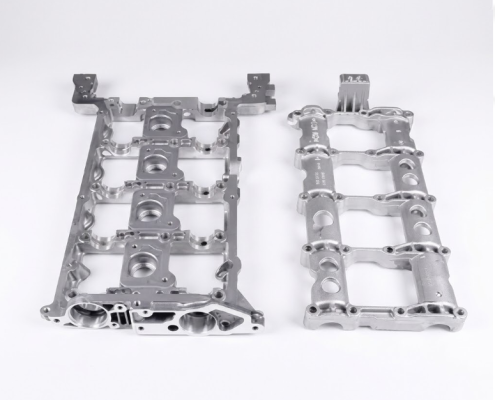
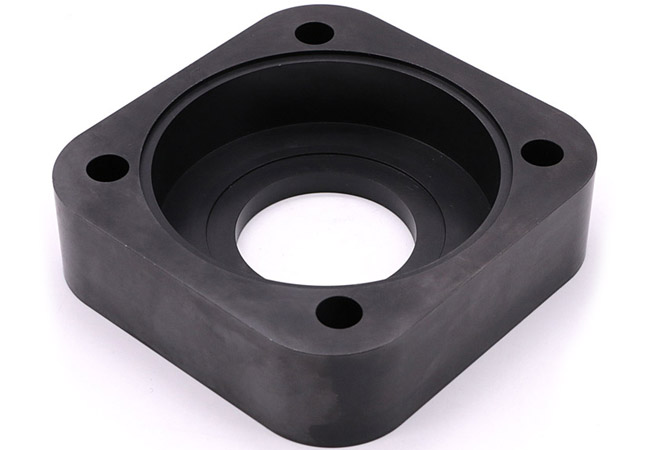
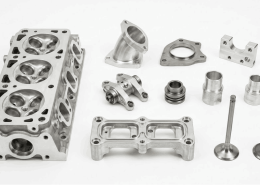
Flatness Control for Large-Scale Sealing Planes:For critical vehicle engine parts such as cylinder head interfaces and engine blocks, we prioritize flatness control to manage bolt preload distribution. Our machining process focuses on reducing waviness and distortion, ensuring that when the assembly is torqued, the gasket undergoes uniform compression across the entire sealing surface.
-
Burr Removal in Critical Seal Grooves:Within the complex parts of a vehicle engine, such as O-ring seats and seal grooves, our team performs precise deburring to minimize surface defects. This careful attention to detail protects elastomer seals from micro-scratches during installation, which is a key factor in preventing long-term oil weeping or vacuum loss.
-
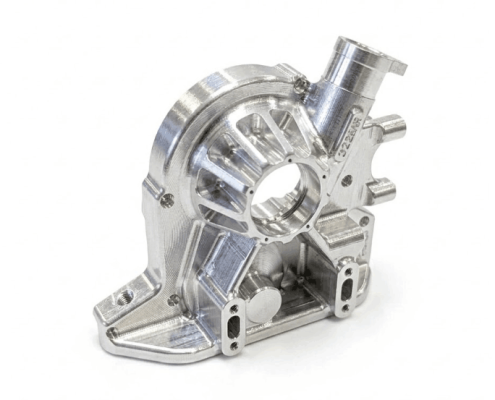
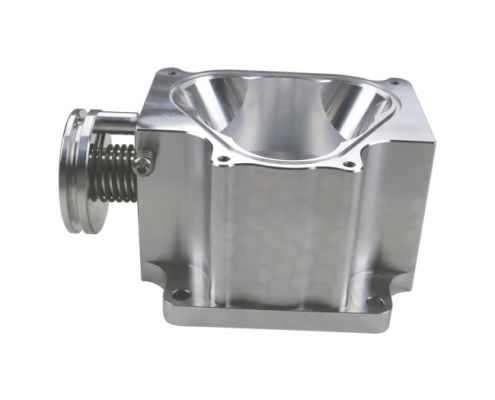
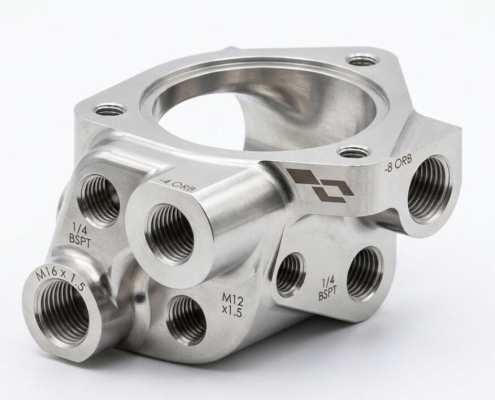
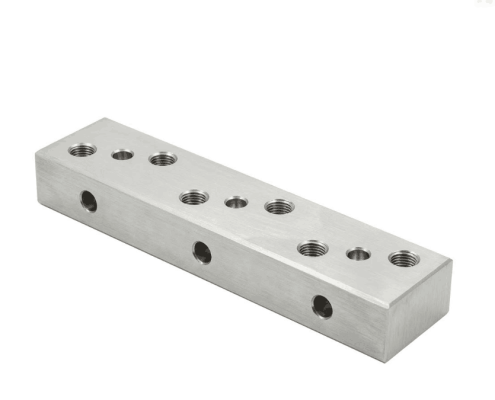
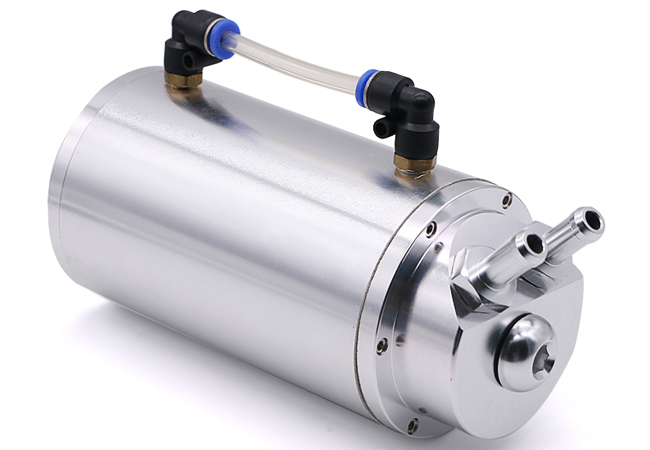
Pressure Validation for Specific Fluid Manifolds:For high-integrity automotive engine parts like fuel rails or coolant housings, we offer targeted pressure testing to verify casting and machining integrity. This process ensures that the internal passages and machined seal seats can withstand operational pressures without leakage, confirming the part is fit for its specific functional role.
-
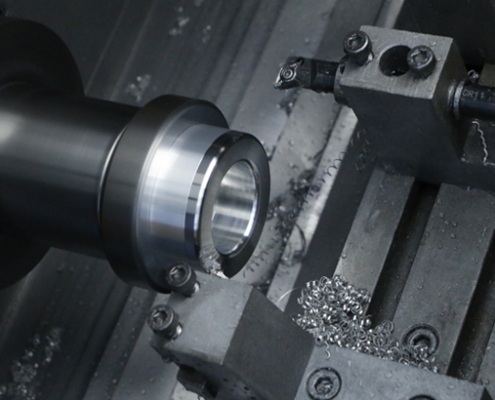
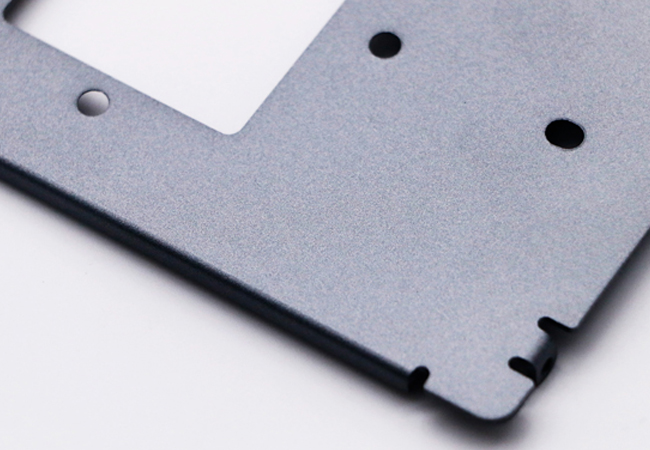
Surface Integrity Management in Material Removal:The machining of automotive engine parts requires precise control over tool feed and speed to avoid excessive surface tearing. We optimize our CNC programs to minimize machining marks on seal-critical areas, ensuring the final surface remains compatible with the intended mechanical seals and provides consistent performance under thermal cycling.
-
Process Consistency for High-Performance Units:As precision-focused automotive engine car parts manufacturers, we ensure that every batch meets the same rigorous surface finish standards. By monitoring tool wear and maintaining rigid workholding, we reduce variance in surface topography, which is essential for achieving a repeatable, reliable seal in modern power unit assemblies.
Is the weight-to-strength ratio of your Custom CNC Machined Vehicle Engine Parts optimized for modern engine performance?
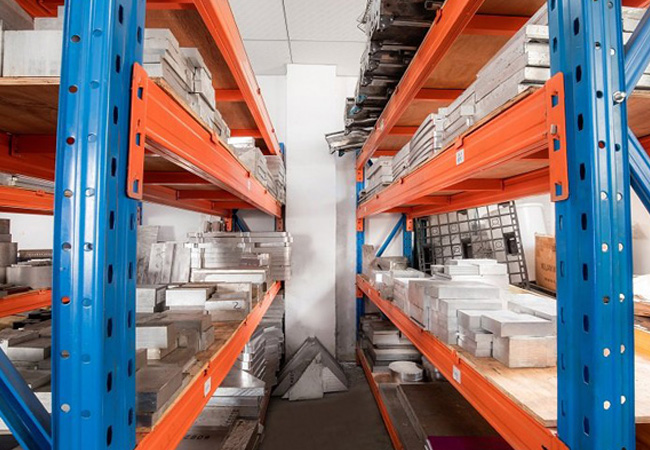
VMT supports the weight-reduction goals of Tier-1 automotive engine parts suppliers by providing high-precision machining services. We verify that all incoming raw materials meet the required density and mechanical specifications, ensuring that the initial substrate is capable of withstanding operational stress while allowing for a significantly reduced component mass.
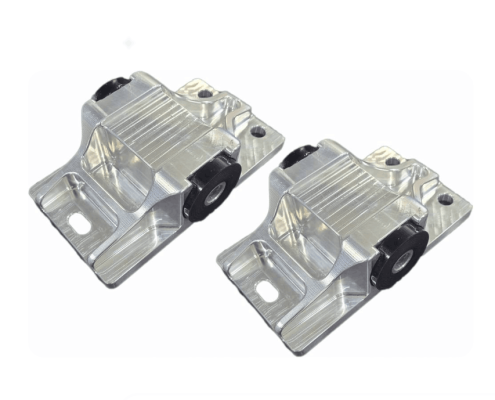
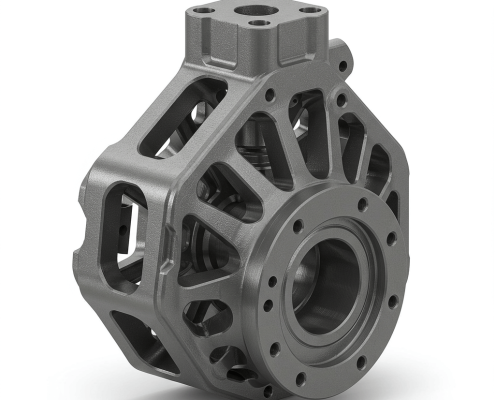
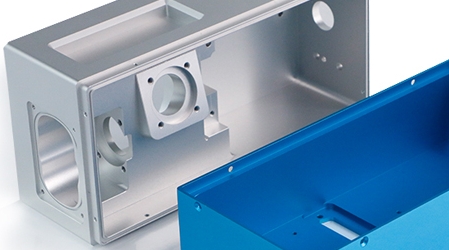
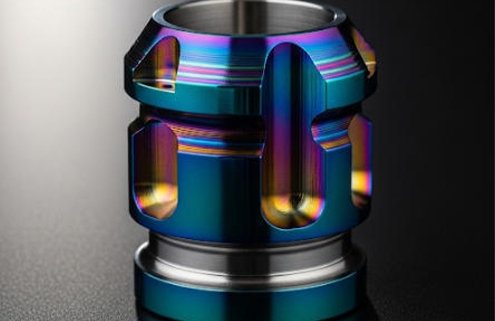
To produce lightweight and high-strength automobile engine parts, we execute strategic material removal based on the load requirements specified in customer engineering prints. Our process involves complex pocketing and maintaining consistent thin-wall sections, which minimizes non-essential weight while ensuring the component retains the structural rigidity necessary for modern engine performance.
We adapt our CNC parameters to the specific automobile engine parts materials being processed, such as high-grade aluminum or titanium alloys. By optimizing tooling and feed rates, we minimize surface stress and preserve the material’s fatigue strength, ensuring the machined components maintain dimensional stability and structural integrity during operation.