How to ensure that the gear shifter fits your car?
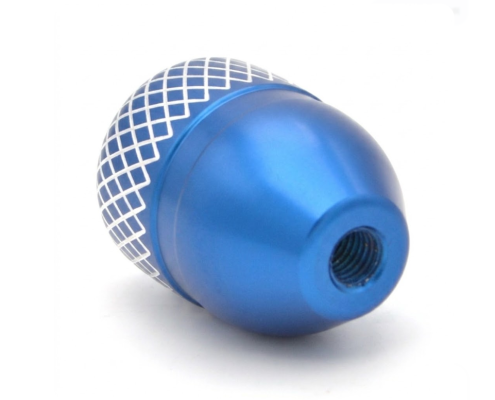
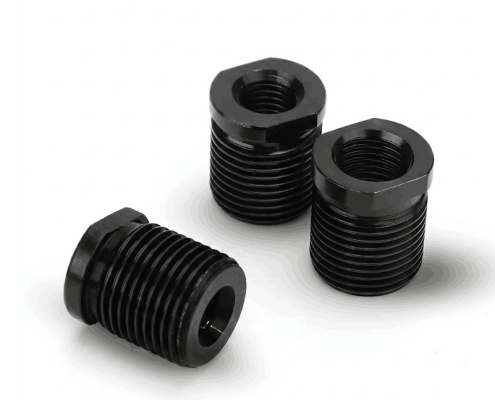
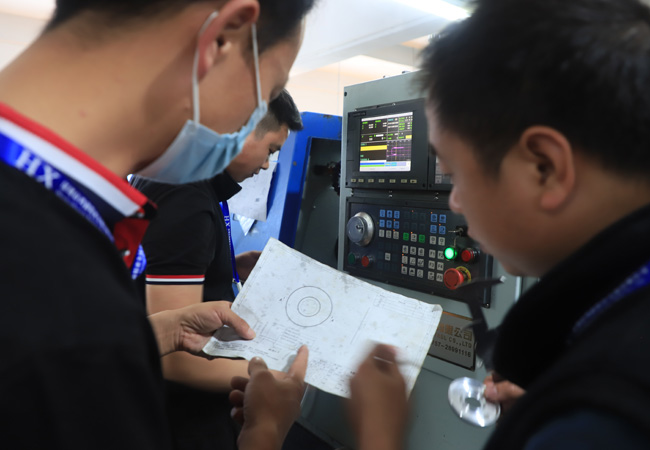
To ensure a precise interface between the gear shifter and your vehicle, our production protocol focuses strictly on the dimensional data and thread specifications provided in your technical drawings. We manufacture according to your specified thread pitch, such as metric fine or unified standards, to ensure compatibility with the designated shifter stem.
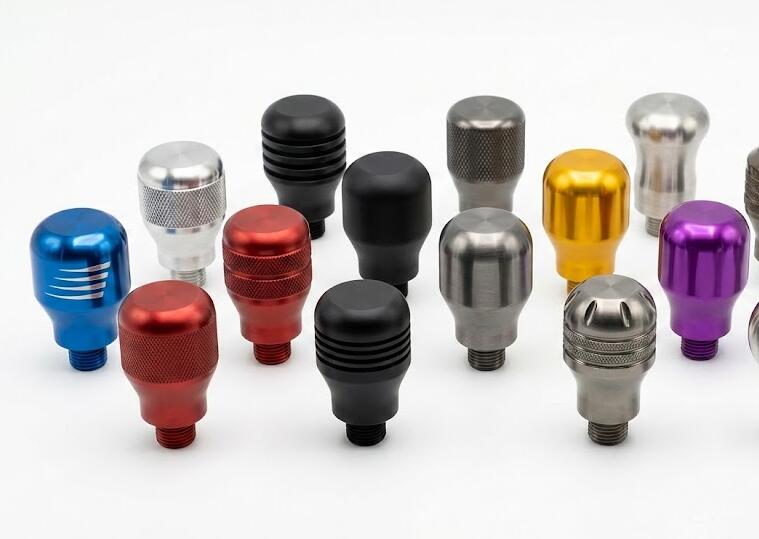
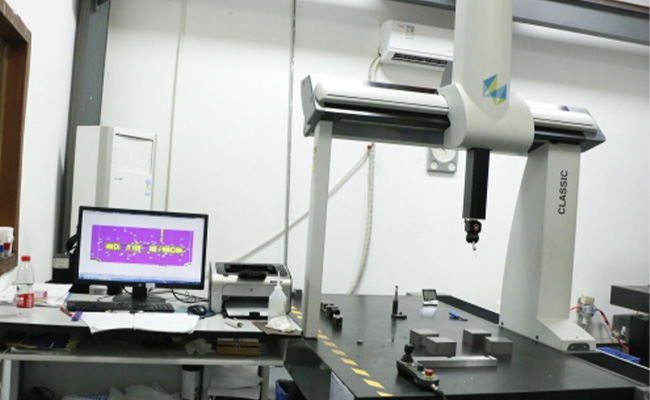
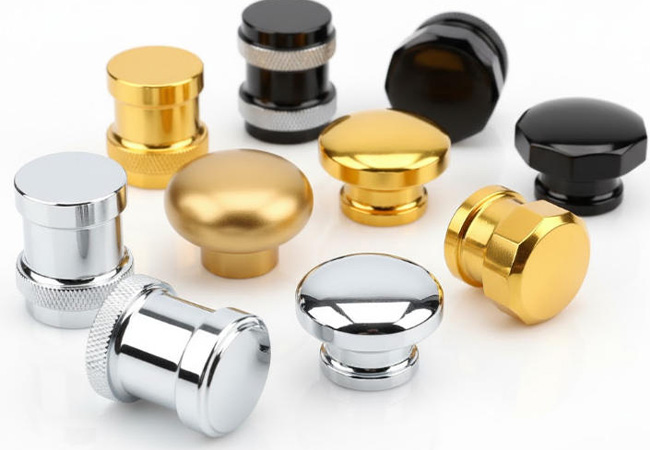
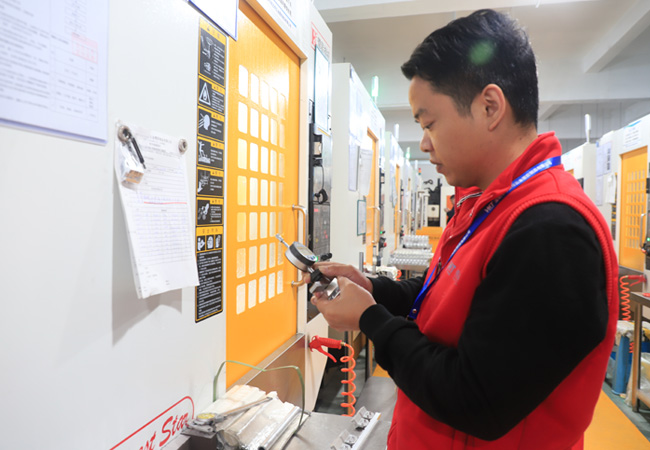
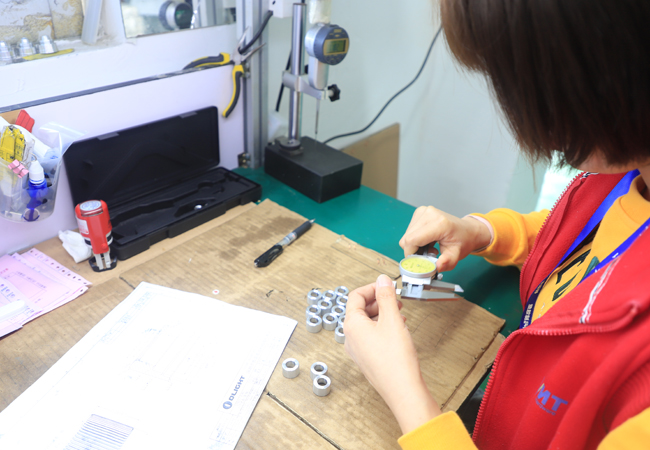
During the precision cnc automotive shift knobs manufacturing process, we utilize calibrated Go/No-Go plug gauges to verify that every internal thread maintains the required tolerance class. For complex features like reverse lockout recesses or boot retainer grooves, we execute the machining based on the exact depth and diameter coordinates found in your CAD files. By providing comprehensive geometric data or physical samples for your custom cnc automotive shift knobs, our engineers can accurately program the CNC parameters to match your specific mechanical requirements, ensuring the finished component adheres to your functional assembly standards.
How do you manage thermal comfort for metal automotive shift knobs?
To address the thermal conductivity inherent in metal substrates, our facility offers specialized machining strategies and material selection for custom cnc automotive shift knobs. While we manufacture strictly according to your specified geometry, our engineers can support the integration of materials with lower thermal conductivity, such as Titanium Grade 5 or high-performance engineering plastics like PEEK and Delrin, to reduce rapid temperature fluctuations.
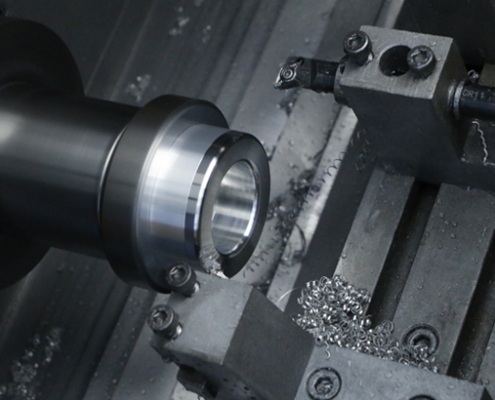
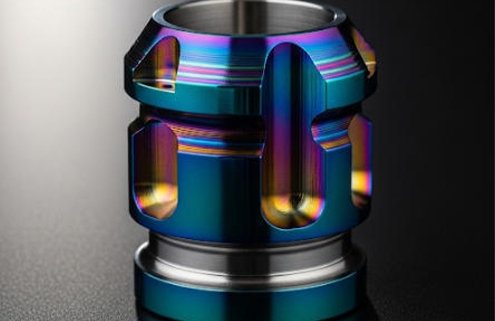
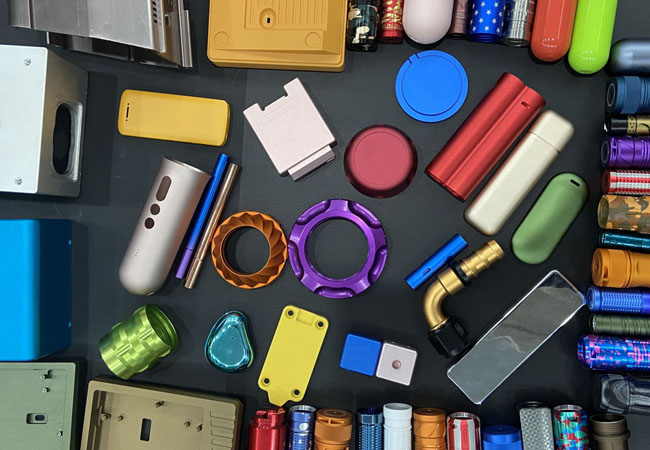
During the precision cnc automotive shift knobs manufacturing process, we can execute complex internal boring to create air pockets or accommodate insulating sleeves, which helps to optimize the overall thermal mass of the component. Additionally, we provide specialized surface treatments like micro-arc oxidation or ceramic-based finishes that offer a slight reduction in surface heat transfer, improving the initial tactile perception in extreme temperatures. By providing your specific CAD data, we can adjust the internal wall thickness and structural parameters to ensure the finished component aligns with your functional comfort and thermal stability requirements.