Why Accuracy Matters in CNC Machining Service for Pistons?
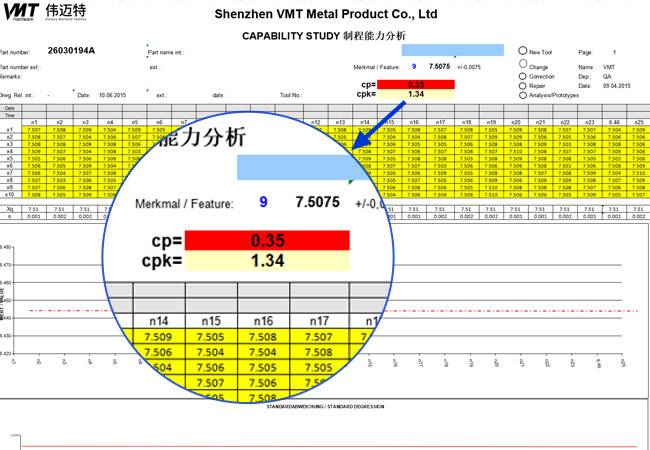
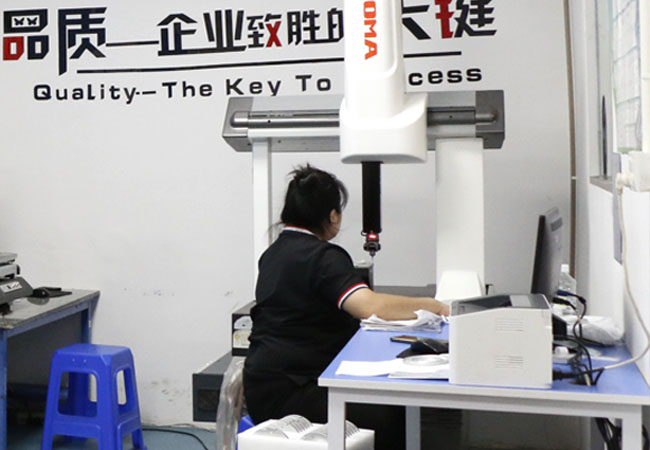
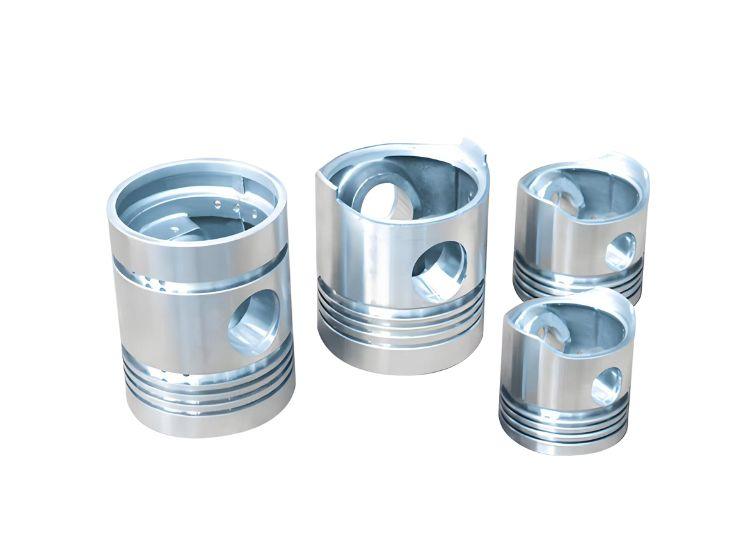
Precision in piston manufacturing is fundamental to engine thermodynamics and mechanical longevity. Because pistons must transition from cold start to extreme operating temperatures, the machining of skirt ovality and taper must be exact to compensate for non-uniform thermal expansion. Inaccurate dimensions here lead to excessive friction, piston slap, or catastrophic seizure as the component expands.
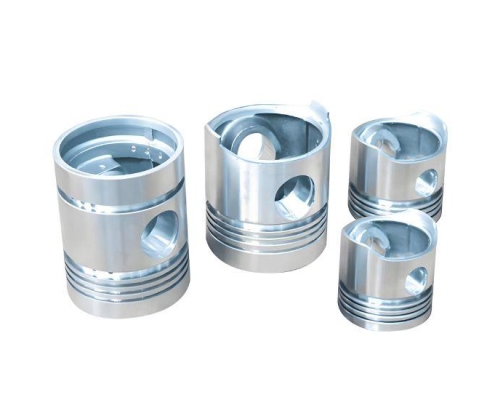
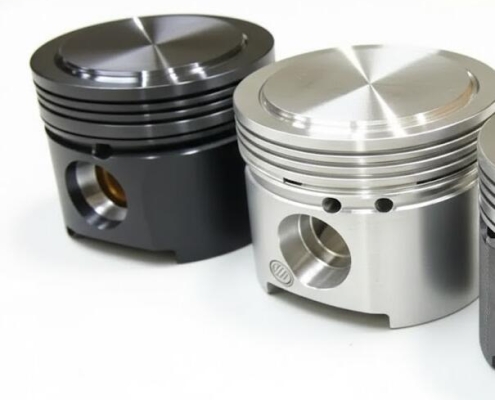
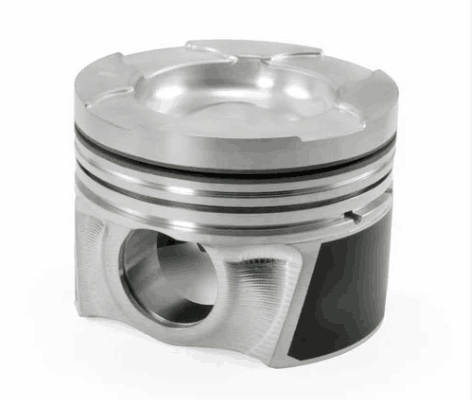
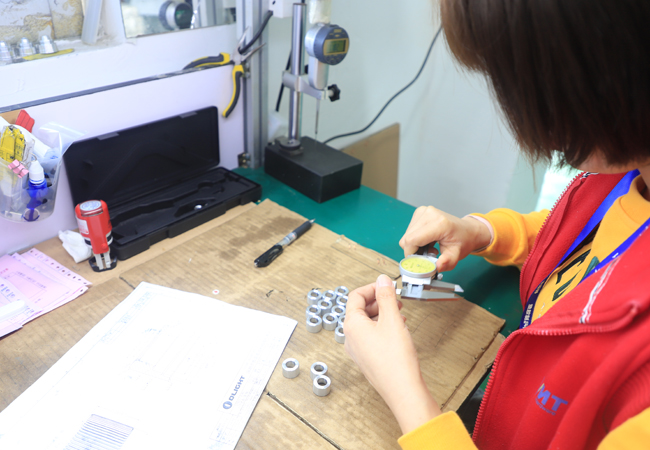
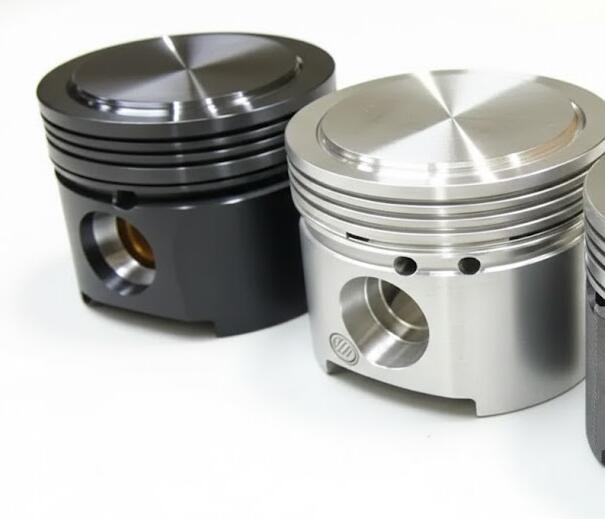
Furthermore, the precision of ring groove geometry and wrist pin bore alignment directly dictates the engine’s sealing efficiency and structural balance. Micron-level deviations in these areas cause combustion gas blow-by, oil contamination, and uneven loading on the connecting rods. Maintaining sub-micron tolerances ensures stable compression ratios and optimal oil film retention, which are essential for the reliability of high-performance automotive engines.
Why CNC Aluminum Pistons Matter?
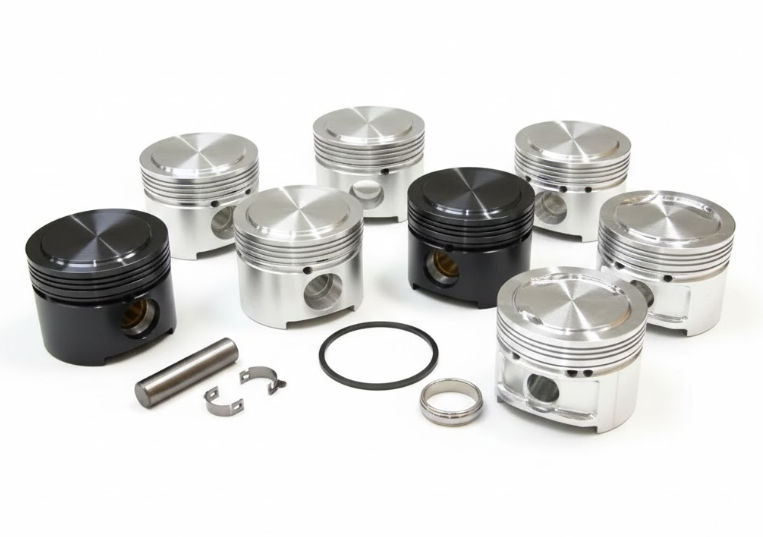
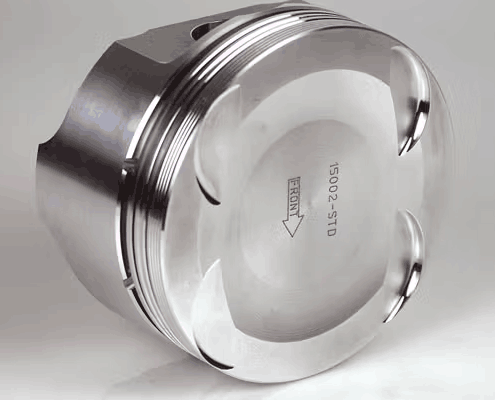
CNC aluminum pistons outperform traditional cast alternatives through superior mechanical properties and thermal efficiency. By using forged or billet aluminum, we create a high strength-to-weight ratio that reduces reciprocating mass. This reduction decreases the load on the crankshaft and allows the engine to reach higher RPMs with improved throttle response.
Aluminum’s high thermal conductivity is essential for heat management. CNC machining enables precise crown thicknesses and cooling features that quickly move heat away from the combustion chamber. This efficiency prevents localized overheating and detonation, which are common risks in high-compression engines.
Unlike casting, CNC machining eliminates internal porosity and structural weak points. Machining from solid, grain-aligned forgings ensures maximum fatigue resistance. Our process maintains strict dimensional stability, providing the perfect seal and consistent clearances required for long-term engine reliability.
What Are the Key Design Considerations for CNC Aluminum Pistons?
The performance and service life of a piston depend on specific engineering choices made during the design phase. We use CNC technology to refine these critical factors:
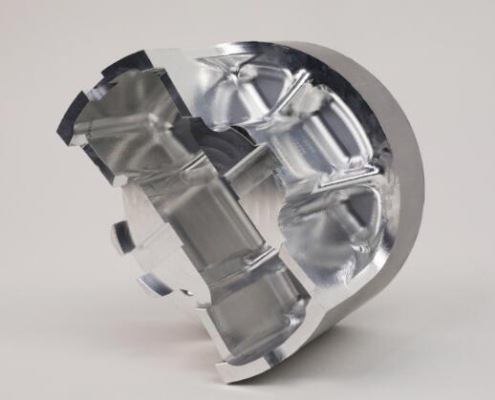
- Structural Geometry: We optimize wall thickness to remove unnecessary mass while maintaining the strength required to withstand high combustion pressures.
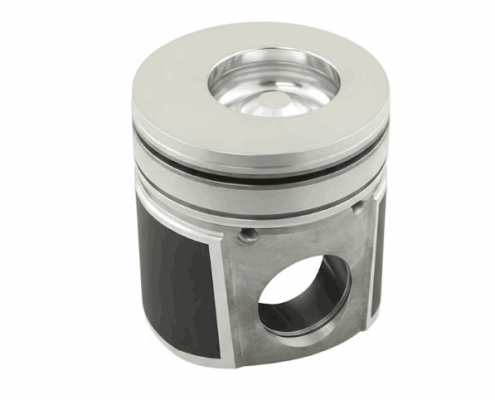
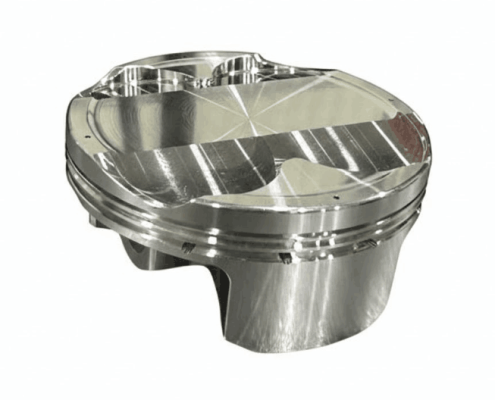
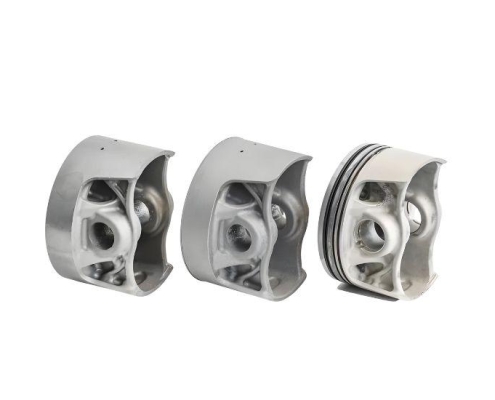
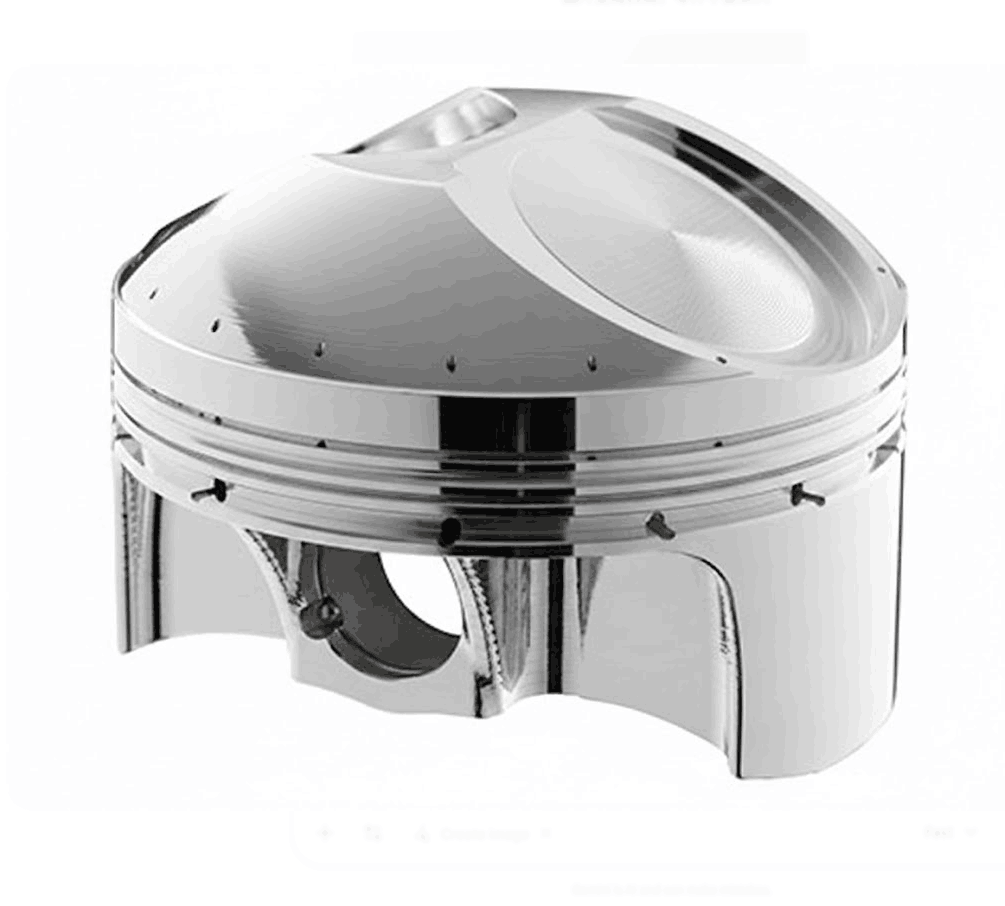
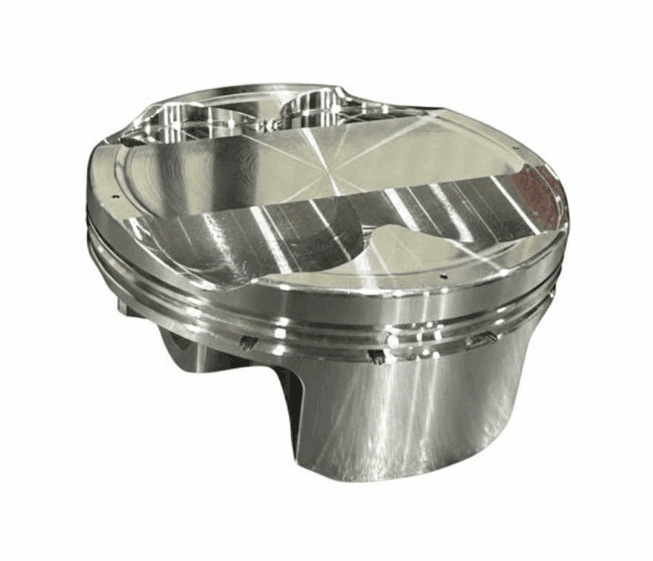
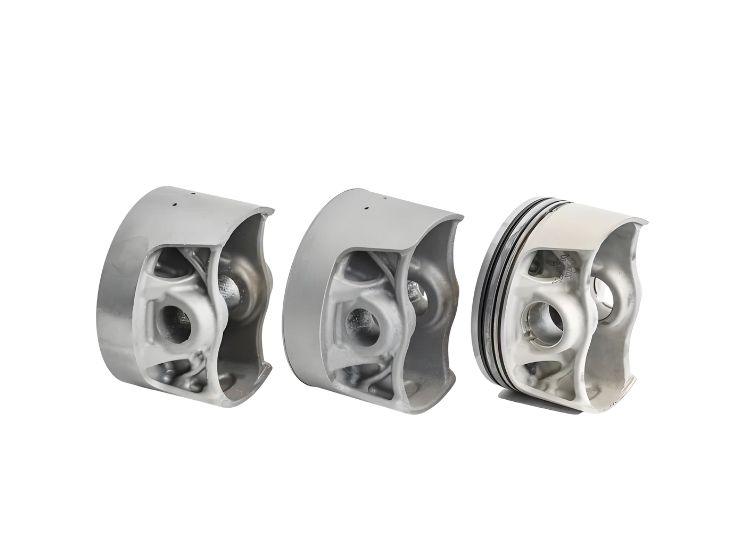
- Thermal Regulation: CNC machining allows for complex crown shapes and cooling galleries. these features move heat away from the combustion zone to prevent detonation and material fatigue.
- Surface Friction: Precise control over skirt and crown finishes improves lubrication. Smoother surfaces reduce friction against cylinder walls, which minimizes wear and mechanical loss.
- Dynamic Balance: Accurate mass distribution between the piston crown and skirt reduces engine vibration. This balance ensures smoother operation and protects the crankshaft from uneven loading.
- Dimensional Clearances: We maintain tight tolerances for piston-to-cylinder gaps. Consistent clearance is vital to stop combustion gases from leaking and to ensure stable oil film retention.
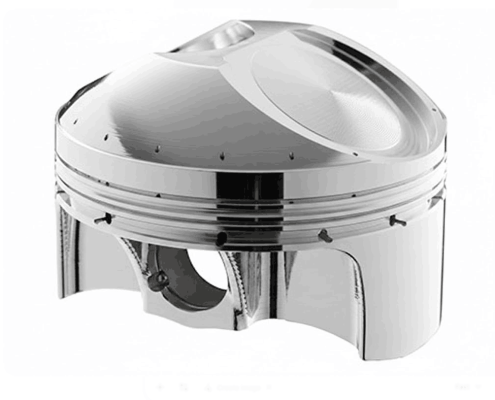
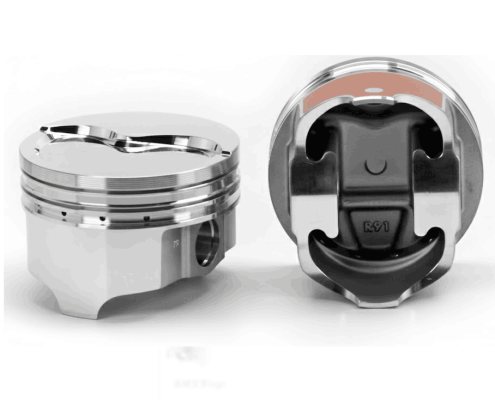
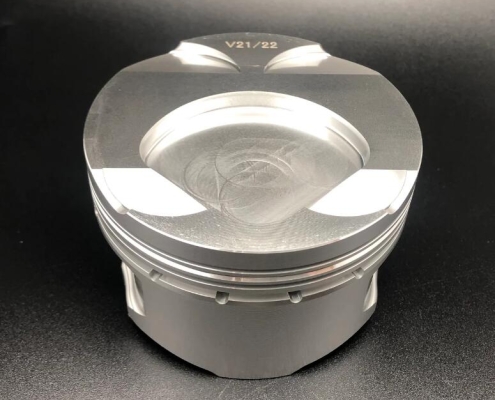
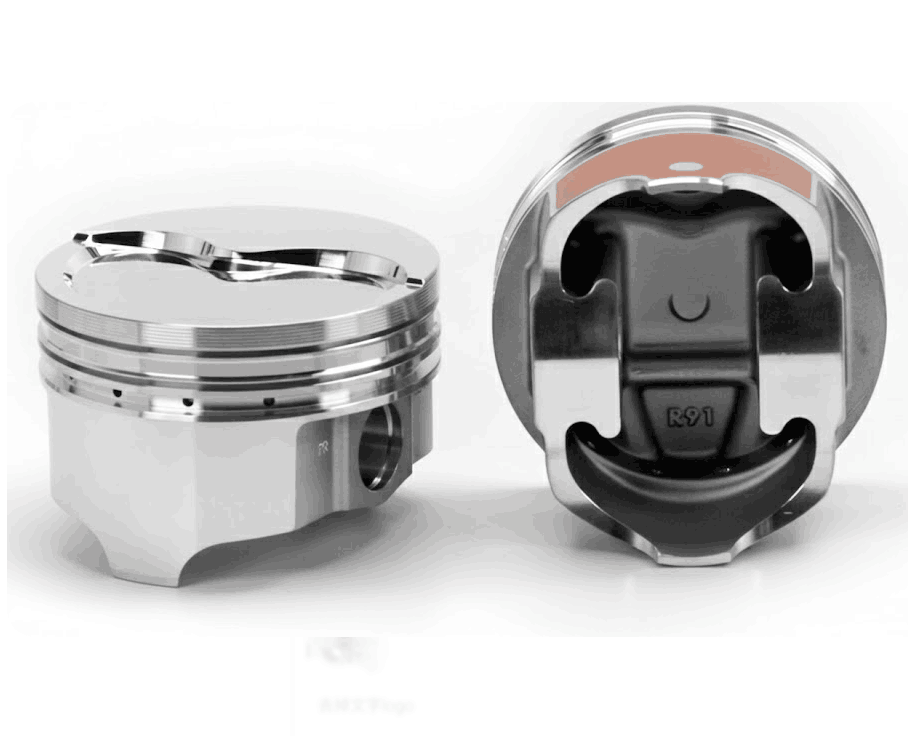
- Functional Customization: Engineers can adjust compression heights and dome profiles for specific engine builds. This flexibility allows us to meet exact compression ratios and combustion requirements.