How Do You Control Automotive Engine Mount Coaxiality To Ensure Fitment?
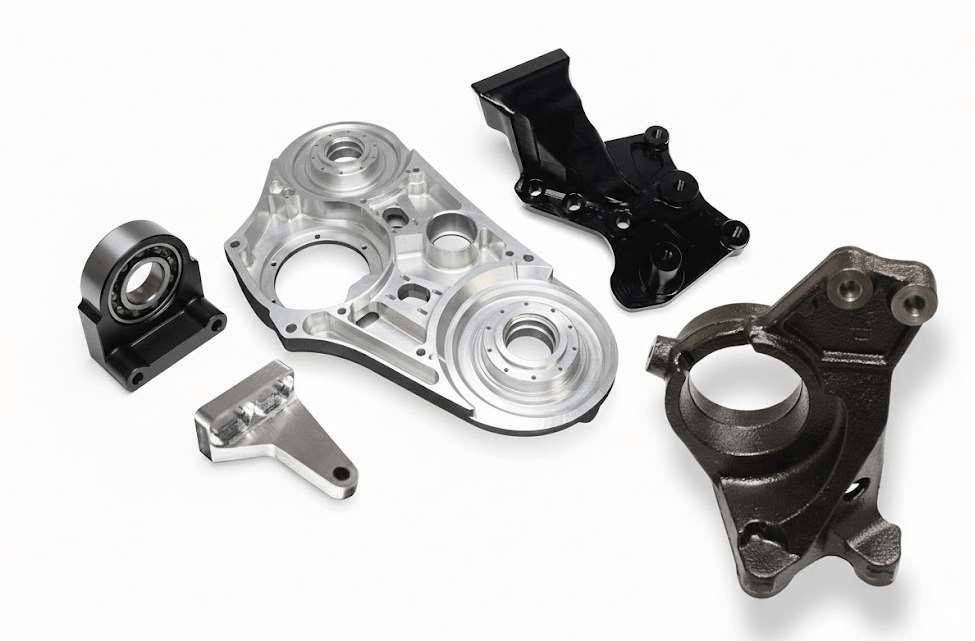
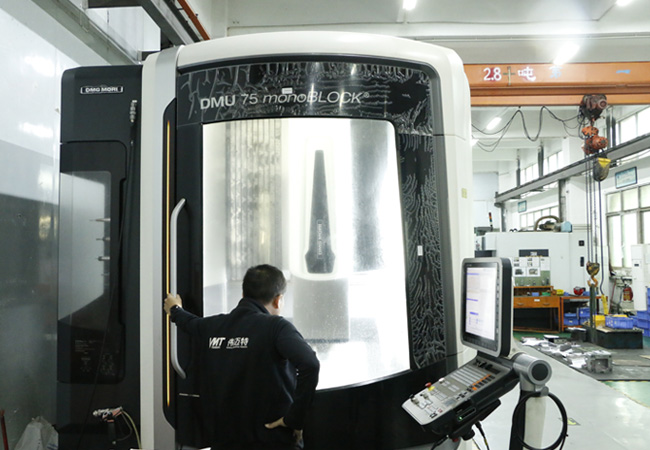
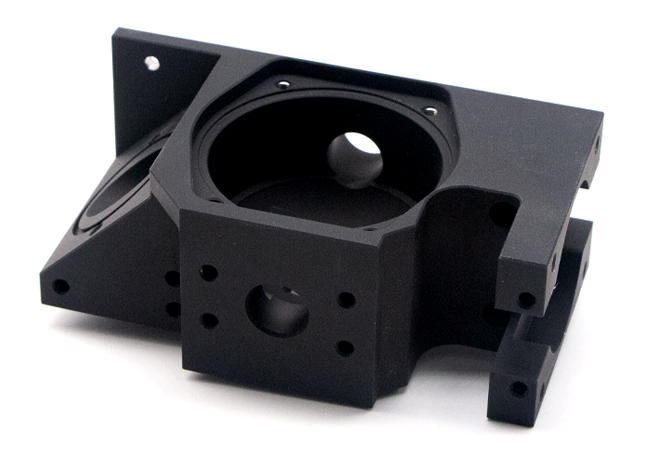
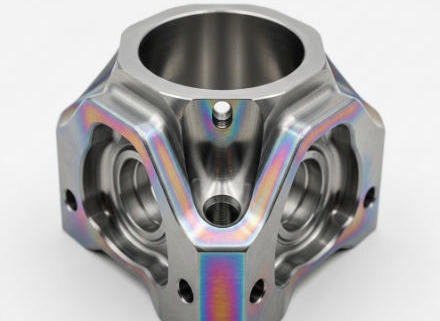
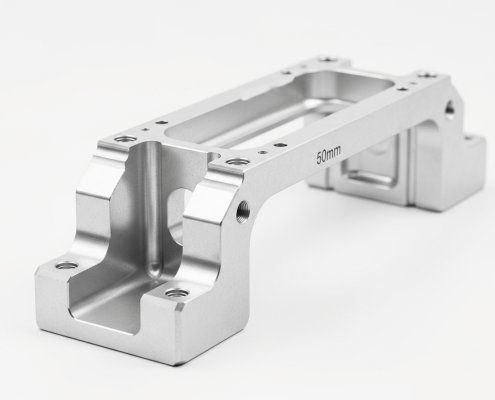
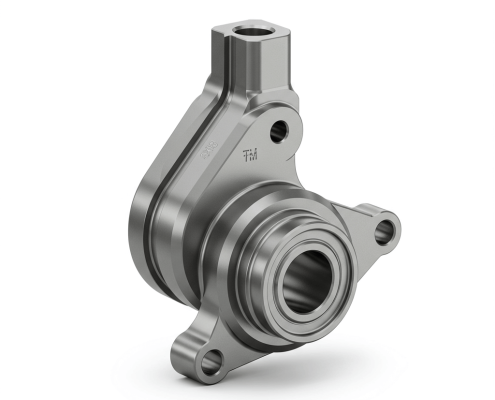
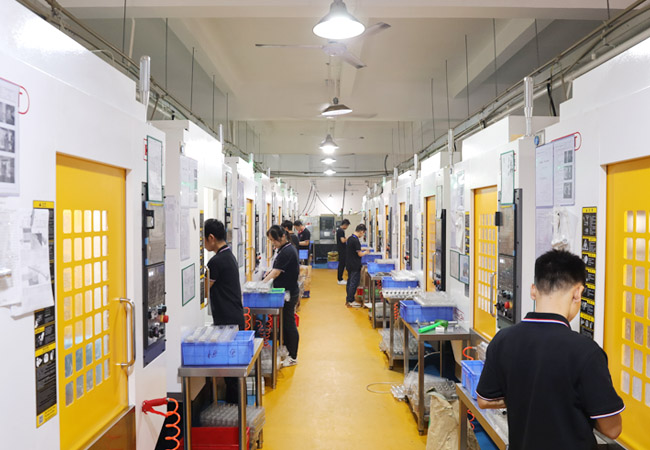
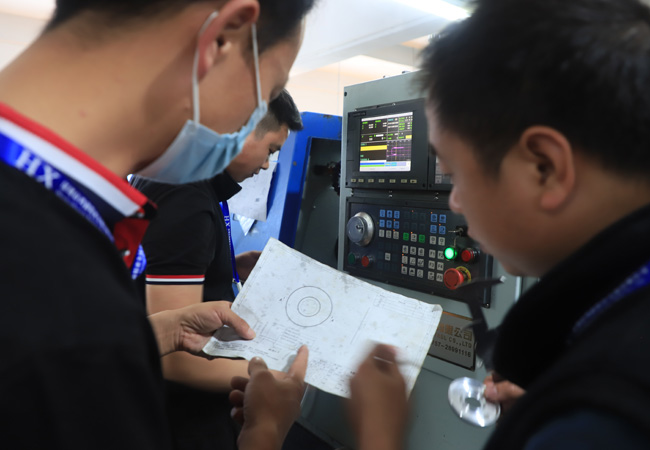
To manage automotive engine mount coaxiality and support seamless installation, VMT utilizes a “Single-Setup Multi-Axis” approach. By employing 5-axis CNC machining, we process the primary bore and critical mounting faces in a single setup. This significantly reduces cumulative positional deviation associated with multi-setup machining, which is a primary source of misalignment in complex engine brackets.
During the machining cycle, we integrate in-process probing to align the workpiece datum relative to the spindle axis prior to boring. This precision alignment allows us to maintain coaxiality within 0.02–0.03mm, depending on bore depth and material condition. For components with extended housing lengths, we utilize rigid precision boring tools and high-speed spindles to minimize tool deflection, ensuring that internal seats for bushings or dampening elements remain controlled within specified tolerances.
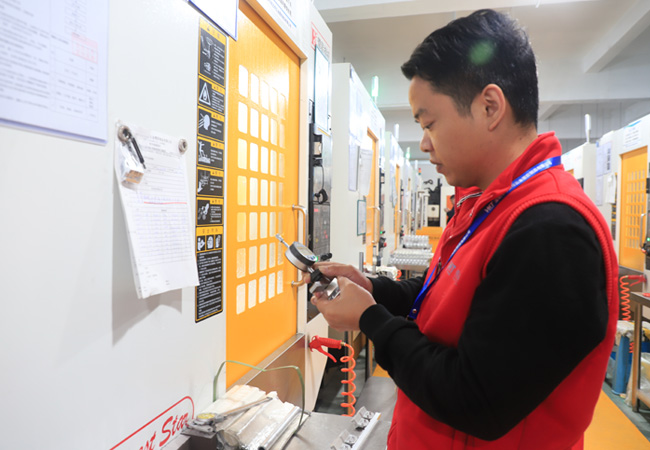
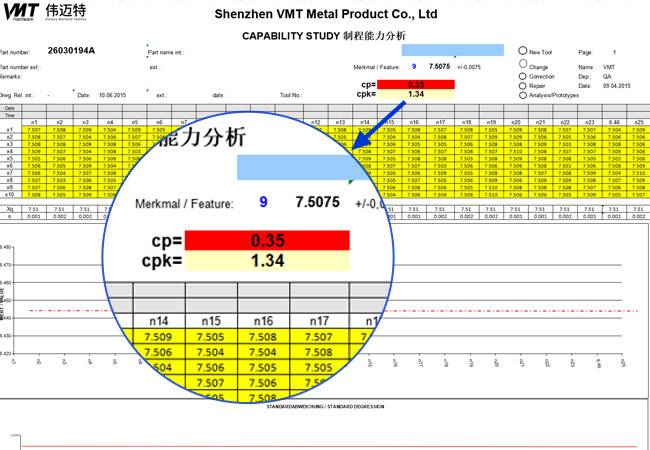
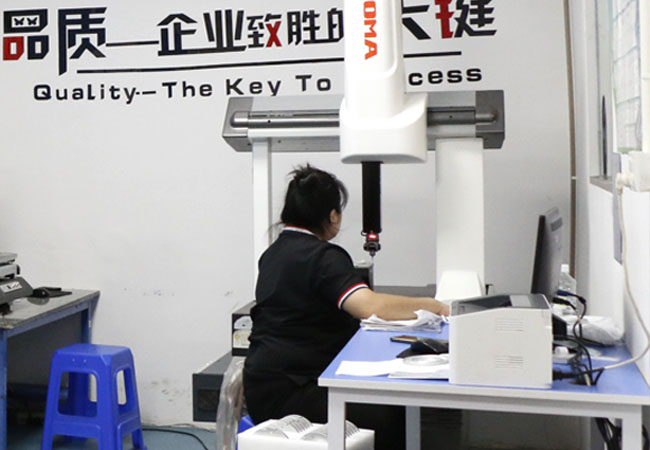
Post-machining, every component undergoes CMM (Coordinate Measuring Machine) Geometry Validation. We map actual hole coordinates against the original CAD model to verify compliance with specified geometric tolerances. This data-driven verification supports interference-free installation, ensuring the automotive engine mount aligns correctly with engine and chassis interface points to prevent vibration or premature wear caused by hardware misalignment.
Can You Balance NVH Suppression With Custom CNC Automotive Engine Mounts Rigidity?
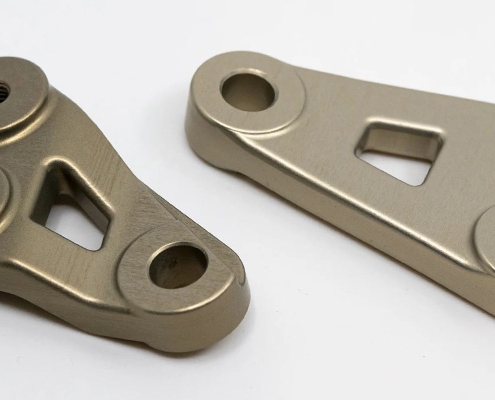
Achieving the intended balance between NVH suppression and structural rigidity relies on the precise execution of the client’s design specifications. VMT accurately machines reinforced structural features defined in your CAD model to achieve the intended dynamic stiffness required for drivetrain positional stability under dynamic loads.
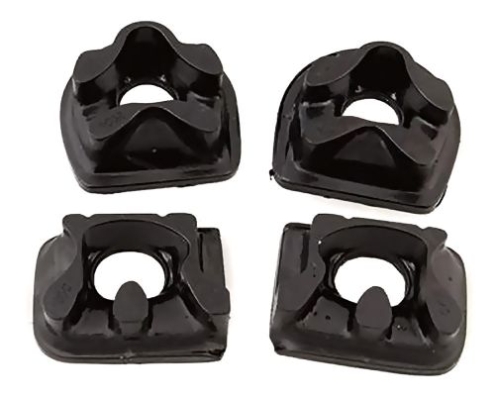
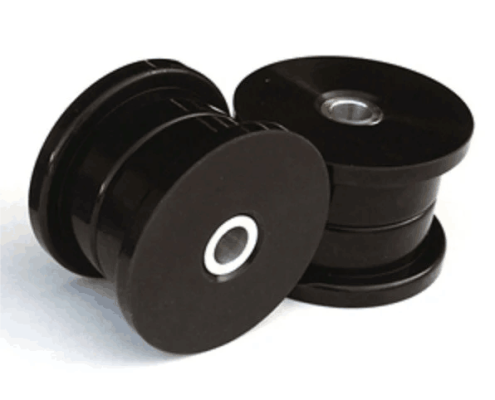
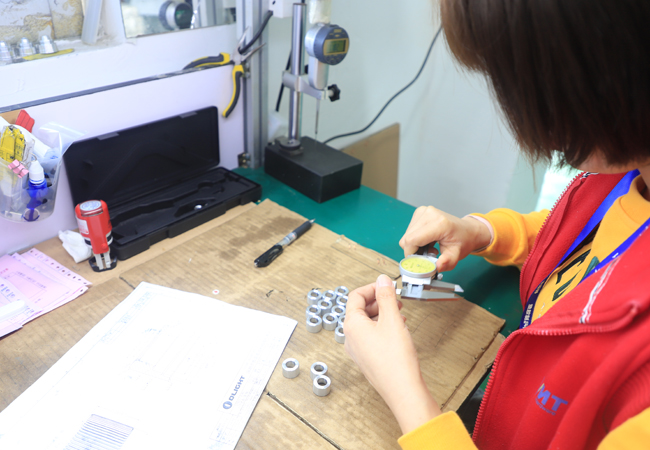
To support consistent damping characteristics, we machine internal bores to high-precision tolerances that facilitate a controlled interference-fit for polyurethane or hydraulic inserts. This precision ensures that damping elements operate within their specified design envelope, preventing edge loading that can lead to parasitic noise. Our manufacturing process focuses on ensuring dimensional and structural consistency, so the custom cnc automotive engine mounts assembly performs as intended within the vehicle’s vibration isolation system across the operational RPM range.
How Does VMT Manage Residual Stress In CNC Machining Automotive Engine Mounts?
Managing residual stress is critical to preventing dimensional instability and long-term fatigue cracking in high-performance components. Rather than claiming to “eliminate” all internal tension, VMT implements a controlled manufacturing sequence designed to mitigate and stabilize residual stress throughout the production of cnc machining automotive engine mounts.
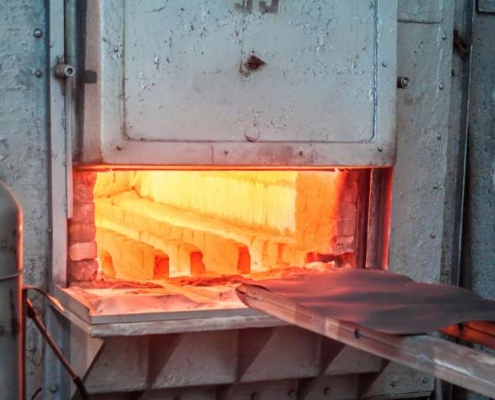
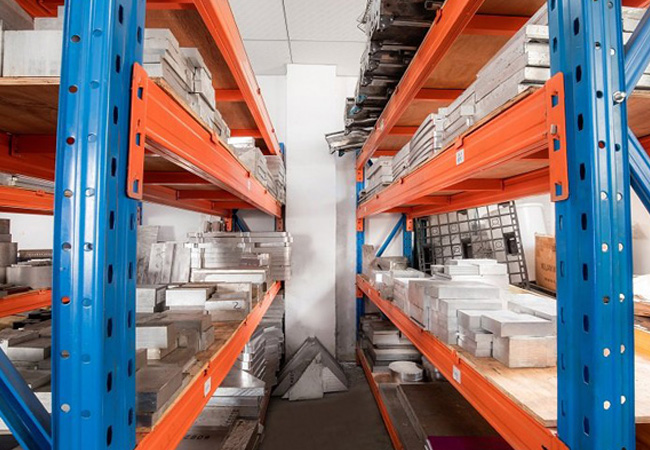
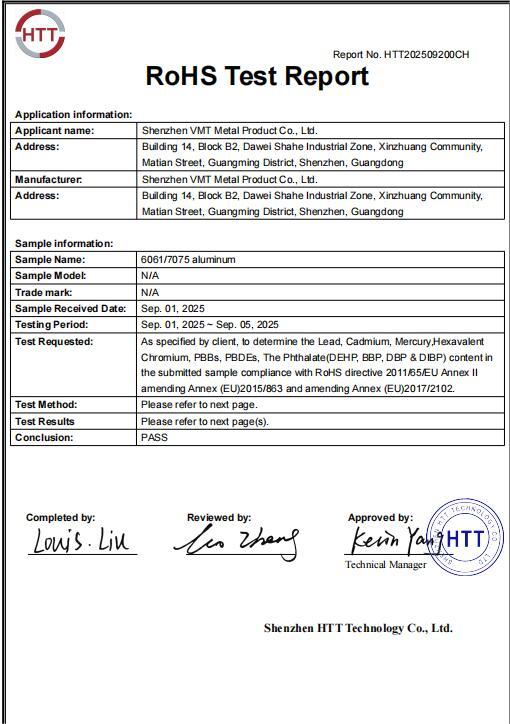
Our process begins with material selection; we prioritize high-quality, pre-heat-treated alloys (such as 6061-T6 or 7075-T6) with certified uniform grain structures. To prevent warping during aggressive metal removal, we utilize a multi-stage machining strategy. This involves a roughing pass to remove the bulk of the material, followed by a “rest” period or specialized stress-relieving (annealing) cycles when specified for complex geometries. This allows internal tensions to redistribute before the final precision finishing.
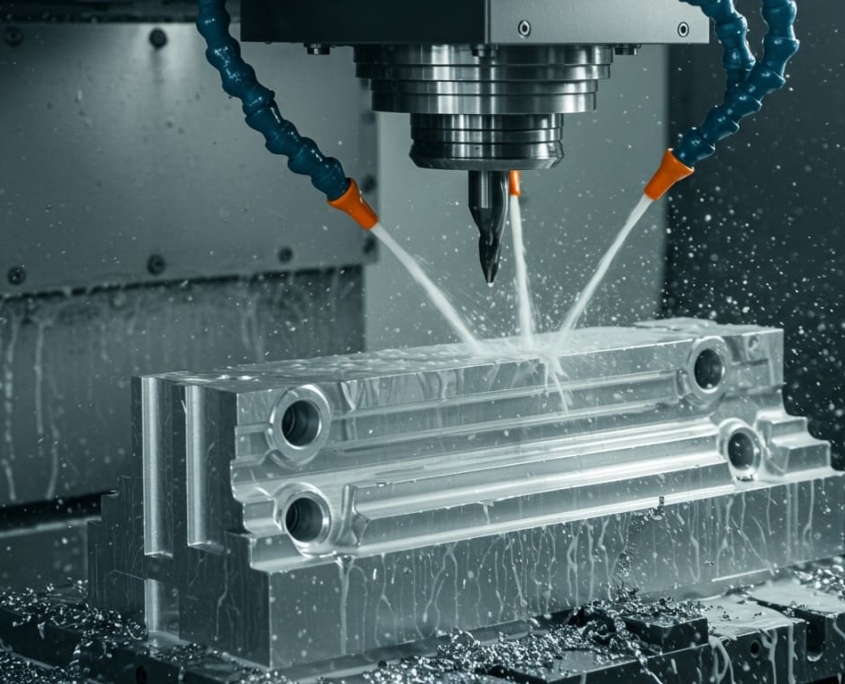
During the finishing stages of cnc machining automotive engine mounts, we optimize tool paths and cutting parameters—such as feed rates and coolant delivery—to minimize localized heat buildup and mechanical deformation. By maintaining sharp tooling and stable clamping pressures, we reduce the introduction of new surface stresses. Finally, our focus on dimensional and structural consistency ensures that the finished mount remains stable within its specified tolerances, providing a reliable interface that supports the overall mechanical integrity of the vehicle’s powertrain mounting system.