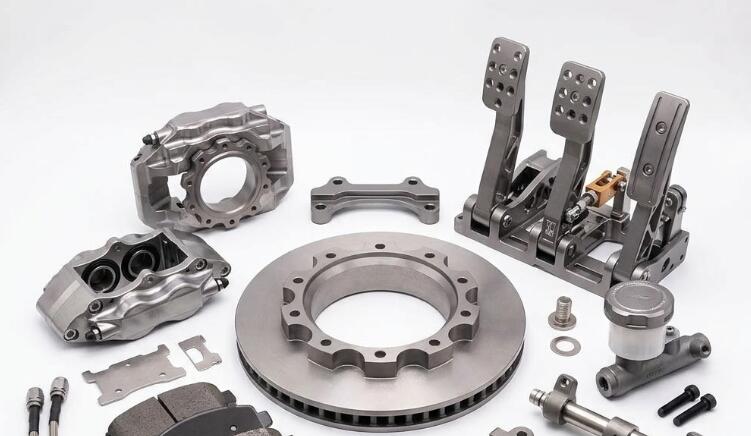
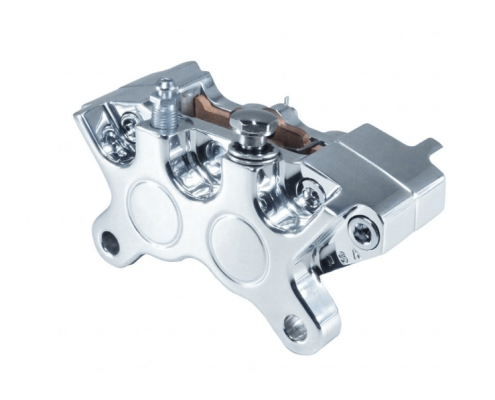
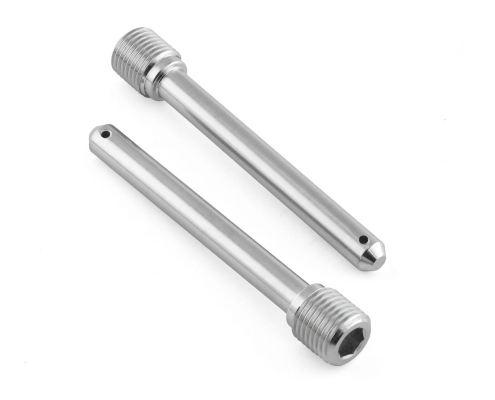
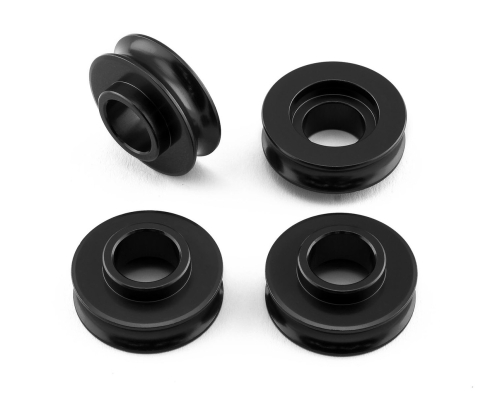
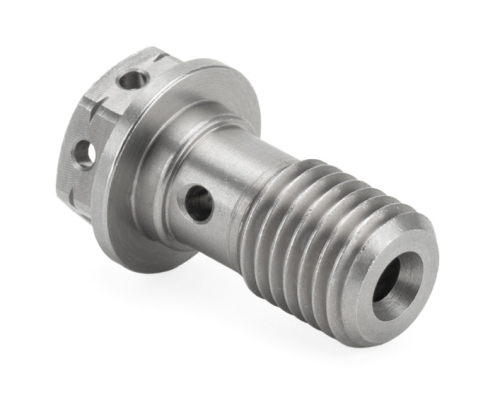
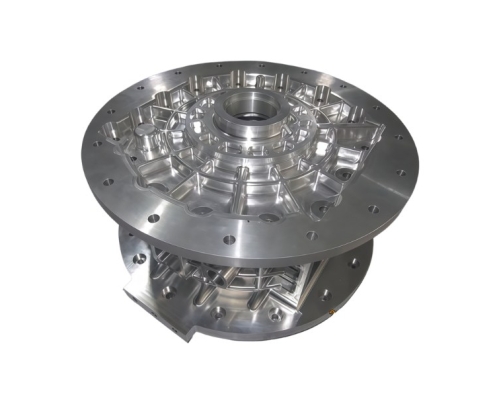
How do you ensure the dimensional integrity of high-performance cnc automobile brake parts?
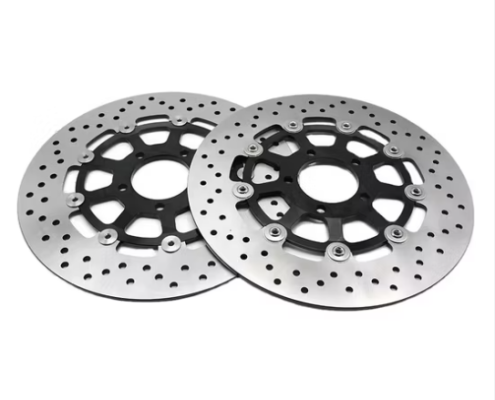
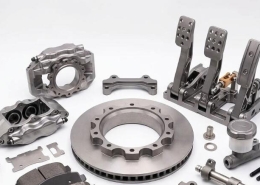
To ensure the dimensional integrity of high-performance automobile brake parts, we implement a multi-stage quality control framework tailored for safety-critical components. With 16 years of experience, our facility bridges the gap between precision engineering and rigorous automotive standards through the following protocols:
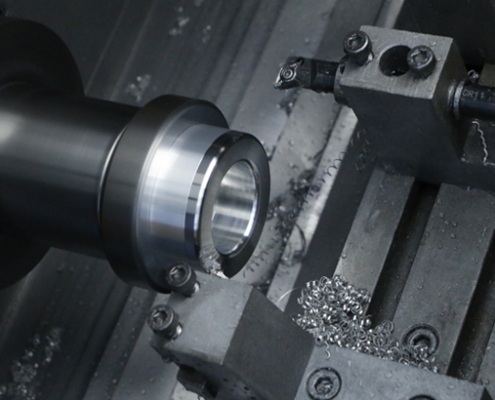
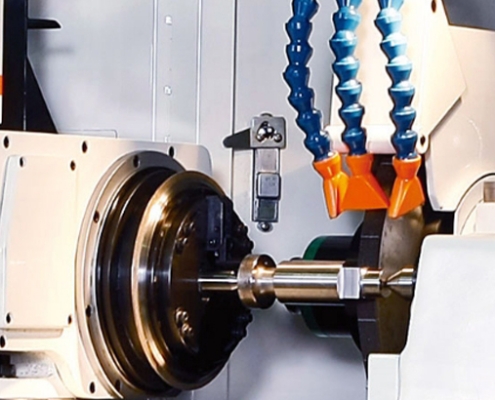
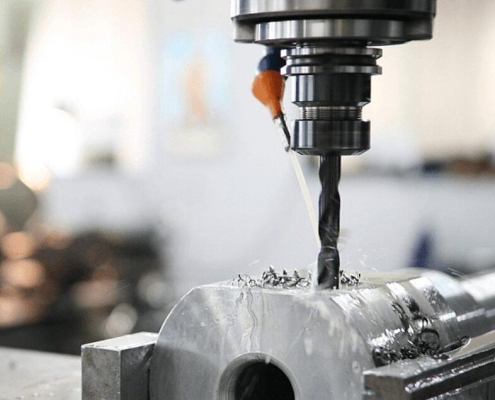
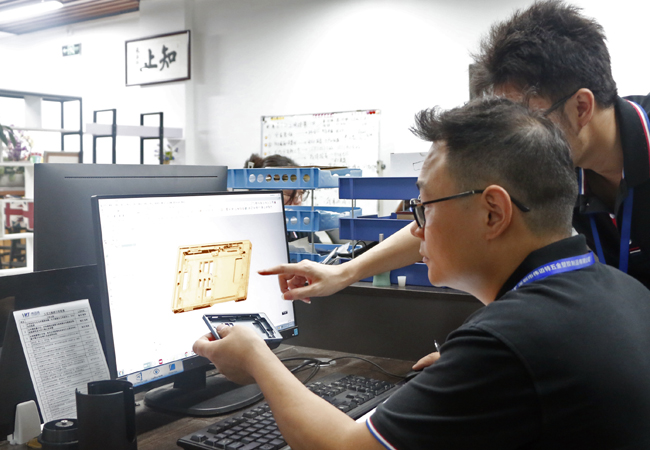
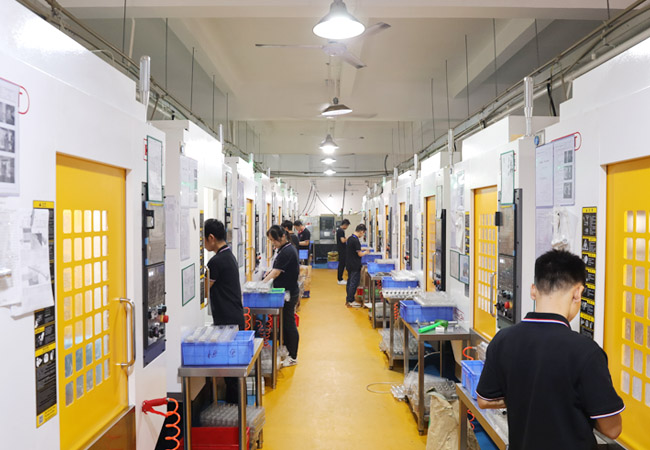
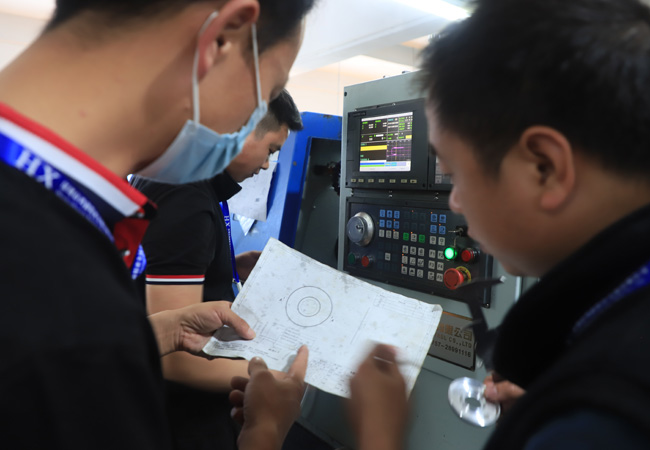
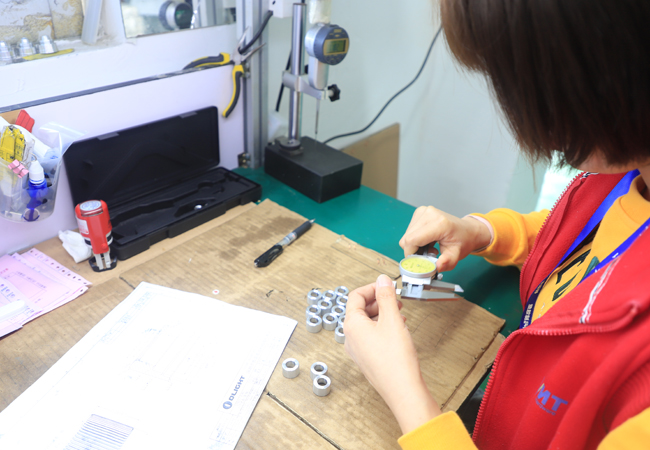
In-Process Monitoring and DFM Analysis: Every automobile brake parts cnc machining project begins with a comprehensive Design for Manufacturing (DFM) review to evaluate tool accessibility and thin-wall deformation risks. During the machining phase, we utilize on-machine probing systems to verify real-time dimensions. This ensures that critical features, such as mounting surfaces and bore locations, remain within specified tolerances before the part is removed from the fixture.
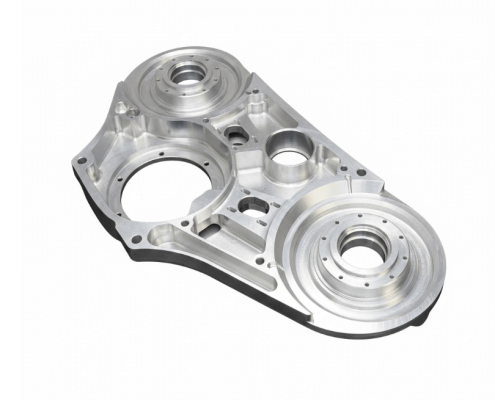
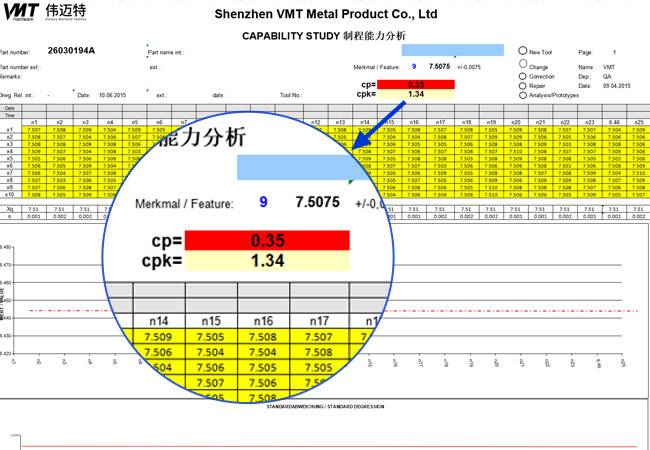
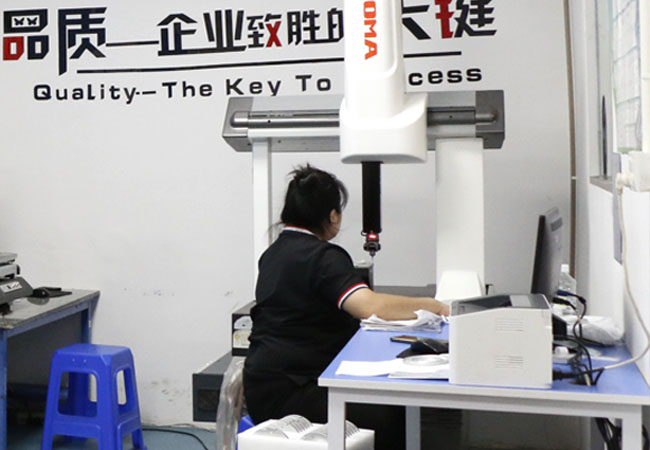
Advanced Metrology and CMM Verification: We utilize high-precision Coordinate Measuring Machines (CMM) to validate complex geometries and strict GD&T requirements. This is vital for vehicle brake parts where concentricity and perpendicularity are essential for proper fitment and assembly. Our climate-controlled inspection lab ensures micron-level measurement accuracy, preventing thermal expansion from compromising the reliability of our data.
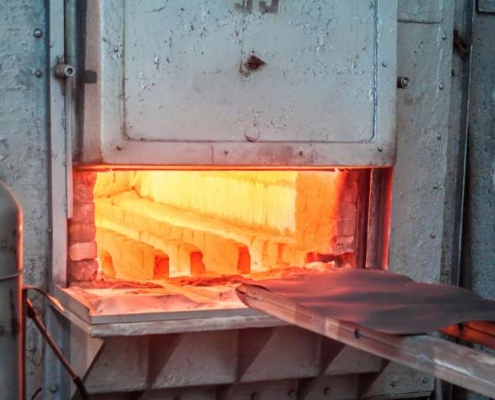
Stress Relief and Material Stability: For complex cnc machining for brake system parts involving heavy material removal, we incorporate specialized stress-relief annealing. This process mitigates residual internal stresses induced during milling, preventing dimensional distortion during the machining process and subsequent finishing operations. This ensures that the final car brake system parts maintain their geometric stability throughout the manufacturing cycle.
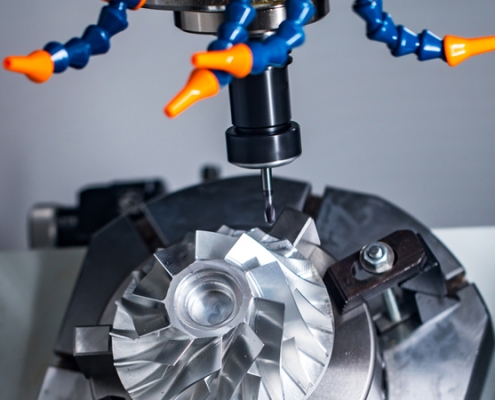
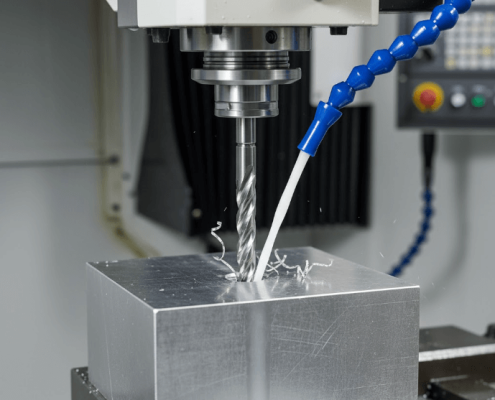
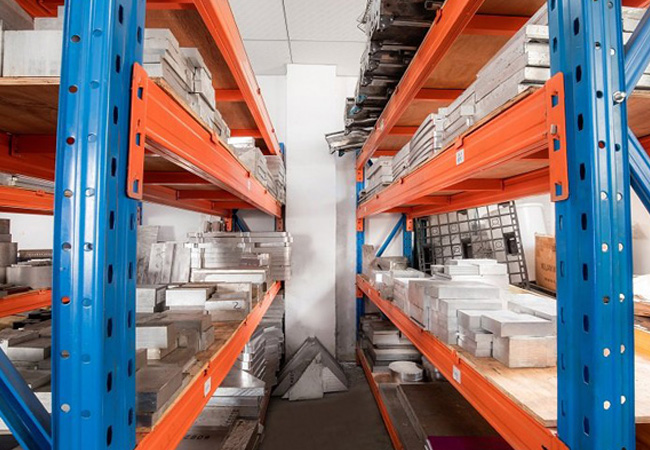
Tooling and Wear Management: We employ high-grade carbide and coated tooling specifically selected for the substrate, such as 7075-T6 aluminum or 4140 steel. By implementing strict tool-life management and wear monitoring, we prevent the dimensional drift caused by tool degradation. This ensures that the surface finish and dimensional consistency of every automobile brake parts batch remain uniform from the first component to the last.
Is Type III hard anodizing necessary for all cnc vehicle brake parts?
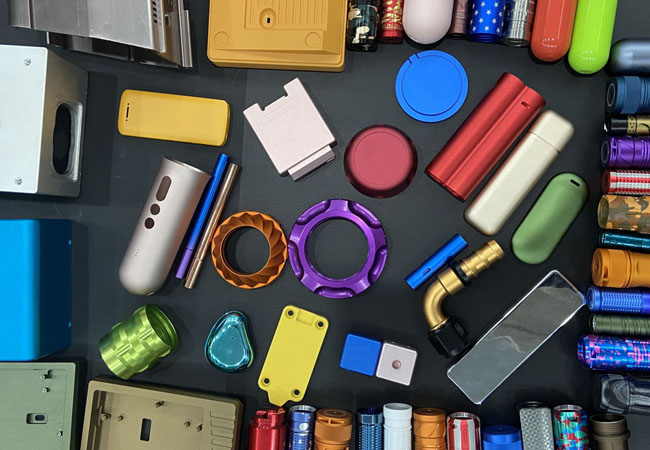
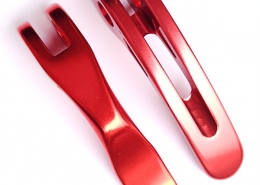
Type III hard anodizing is not mandatory for every component, but it is highly recommended for functional vehicle brake parts exposed to constant friction or abrasive environments. While Type II anodizing provides sufficient corrosion resistance and aesthetic color options for brackets and covers, Type III creates a significantly denser oxide layer, typically ranging from 25 to 75 microns. This increased surface hardness is critical for sliding aluminum components and wear-prone surfaces where maintaining surface durability is essential to prevent galling and premature wear.
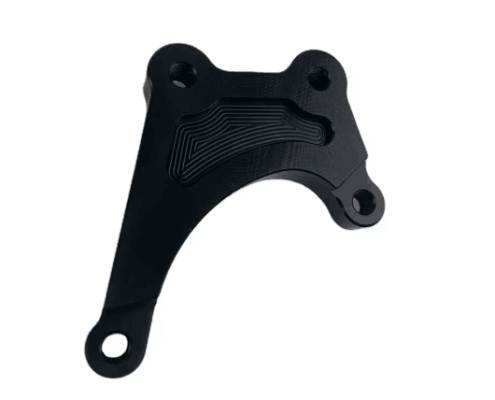
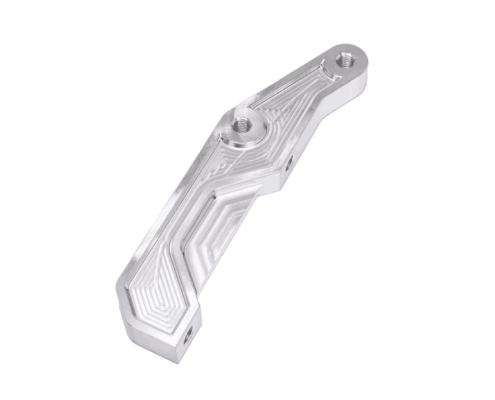
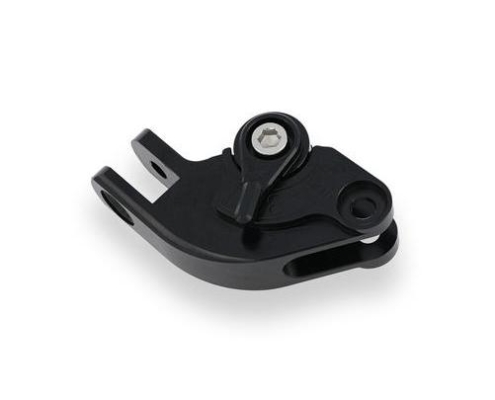
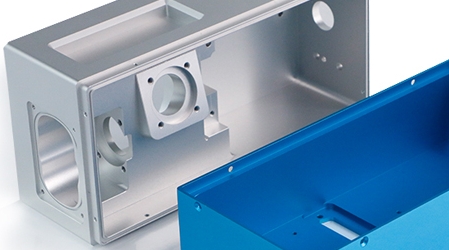
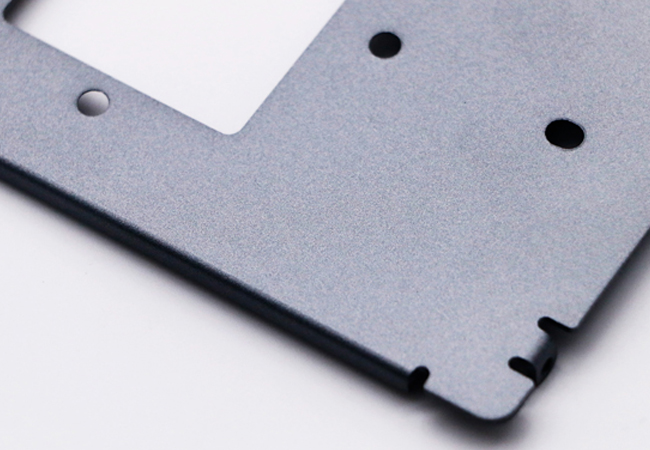
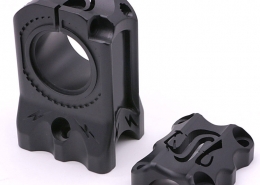
For structural parts like mounting adapters or external brackets, Type II anodizing or powder coating often suffices for environmental protection. However, in high-performance cnc machining for brake system parts, engineers specify Type III primarily for its superior wear resistance and surface hardness. This specialized finish ensures that the surface integrity and corrosion resistance of car brake system parts are maintained even under the intense mechanical stress and harsh road salts encountered in real-world driving. Ultimately, the choice depends on the specific mechanical load and the friction requirements of the individual automobile brake parts.