Can Your CNC Drone Parts Maintain Consistent Precision Across Every Batch?
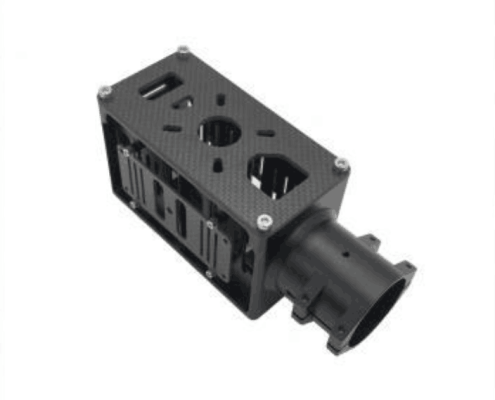
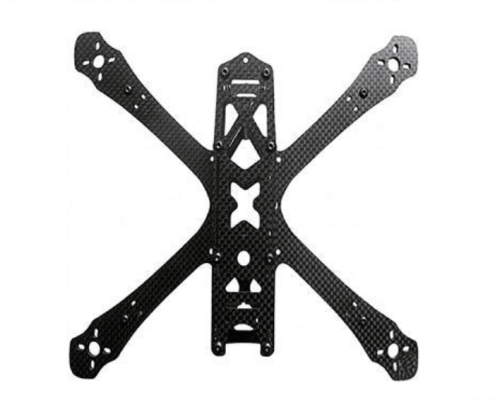
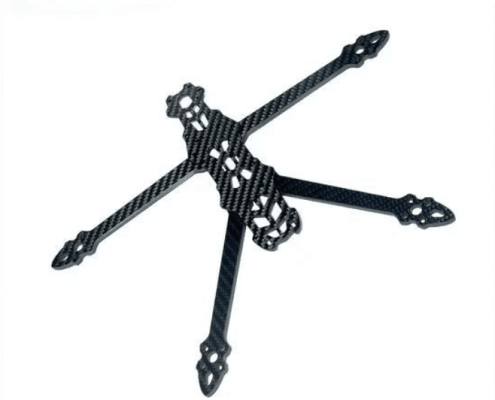
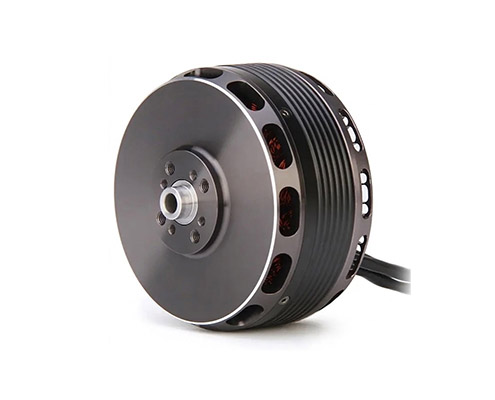
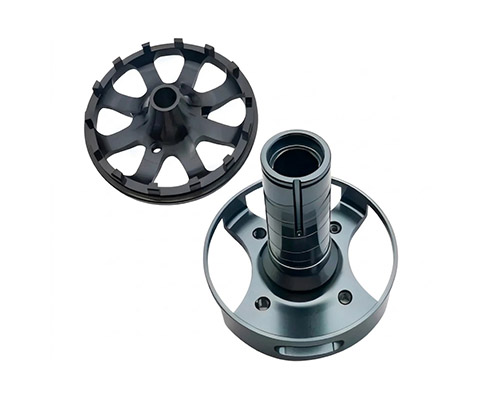
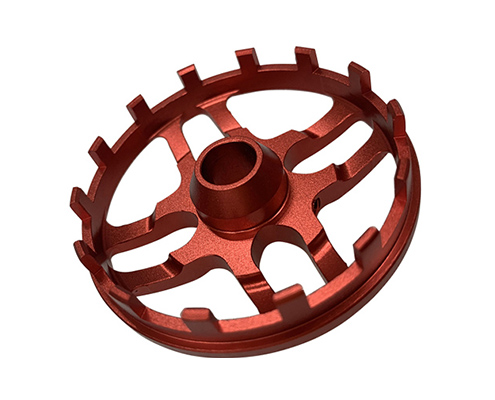
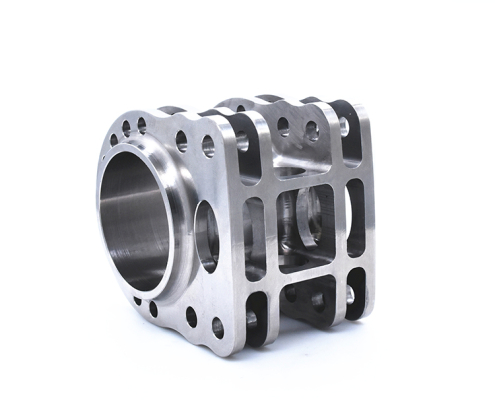
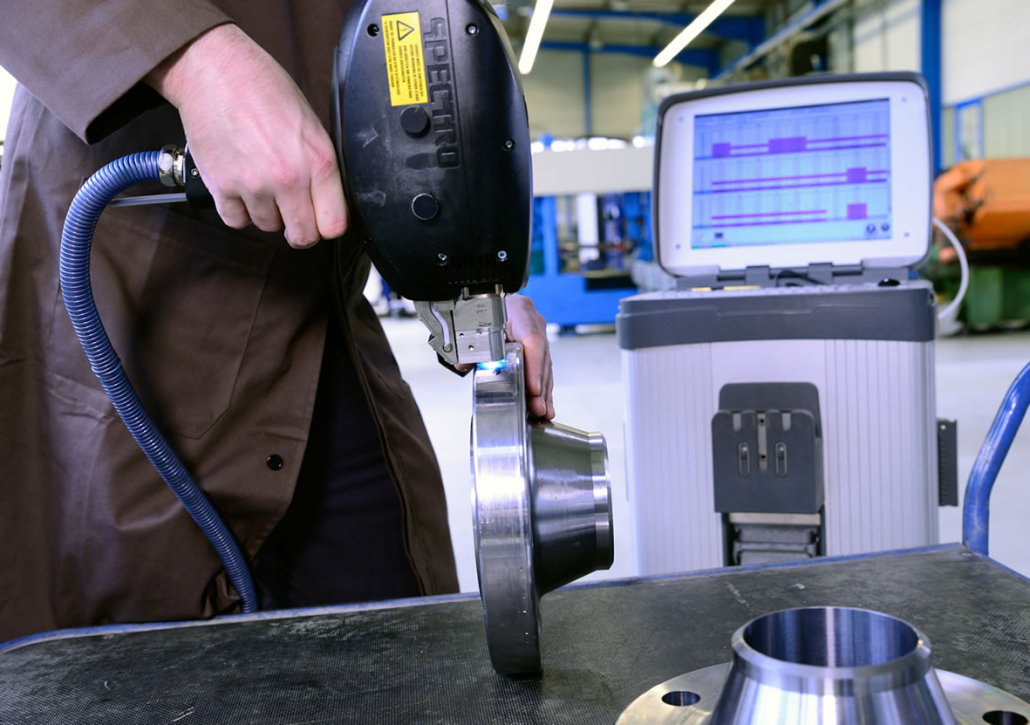
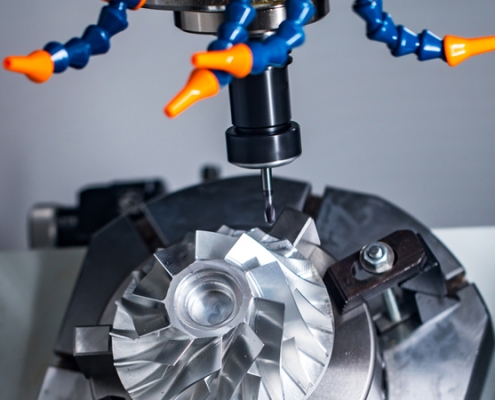
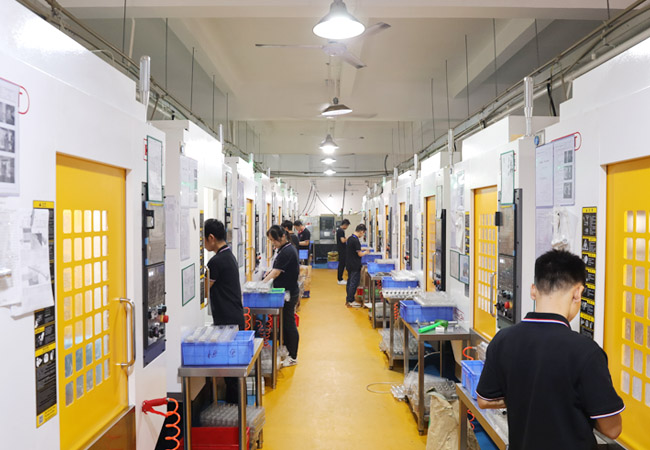
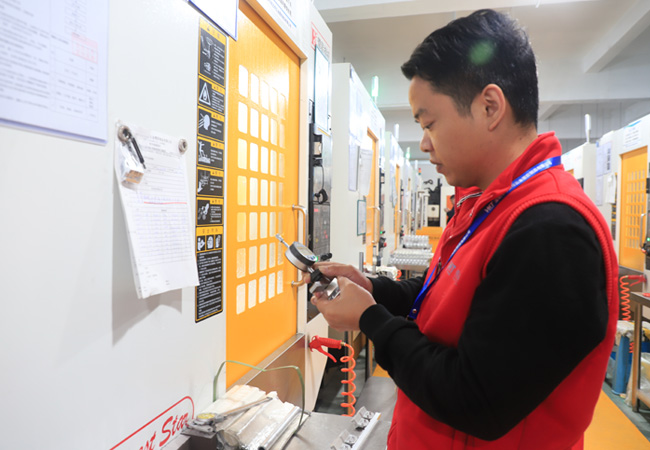
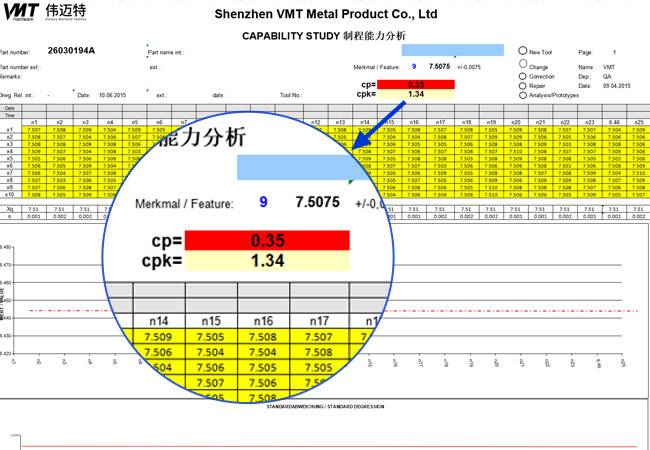
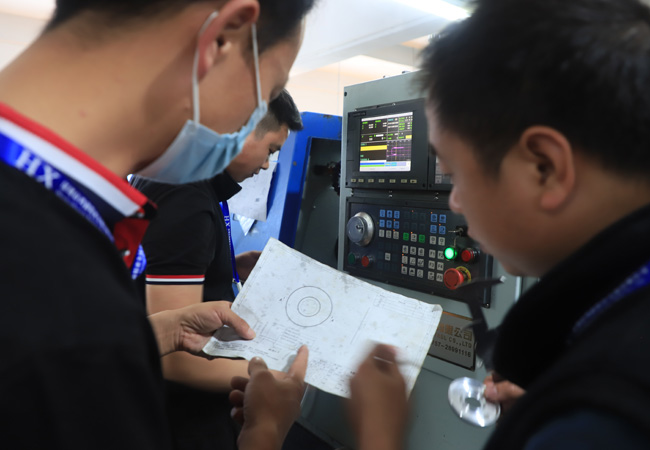
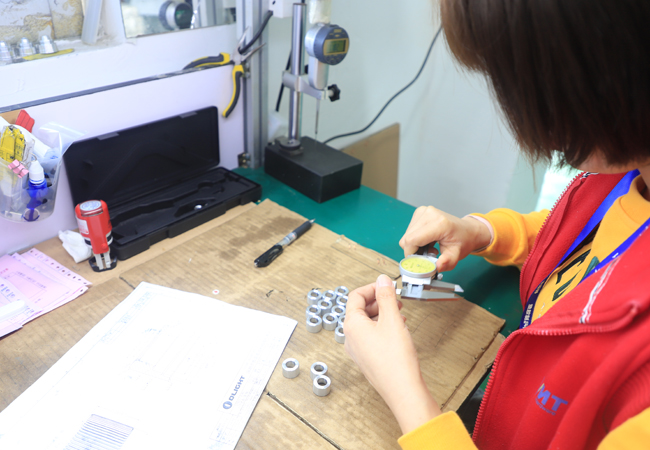
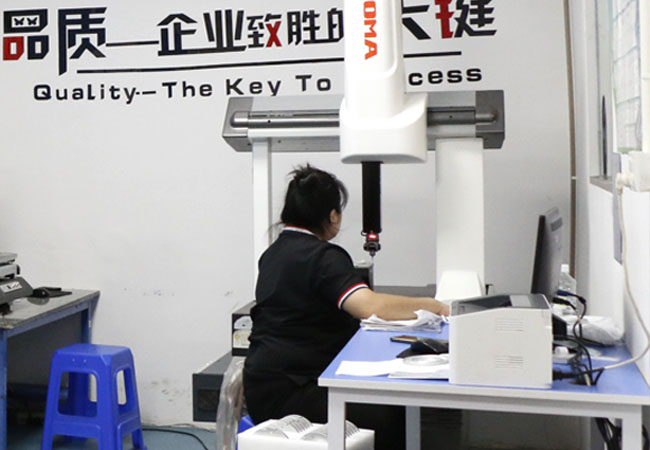
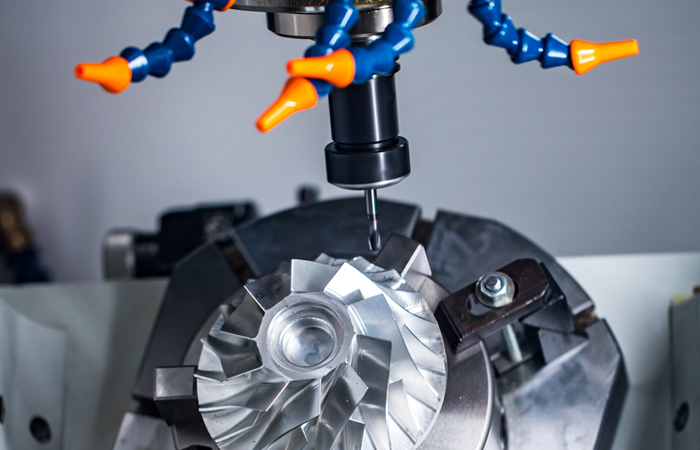
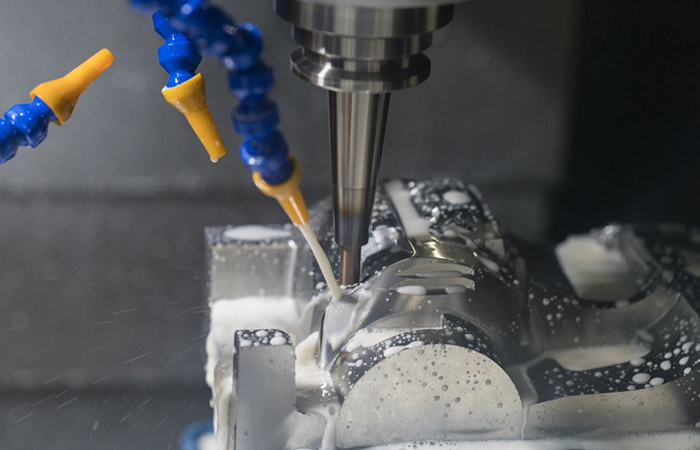
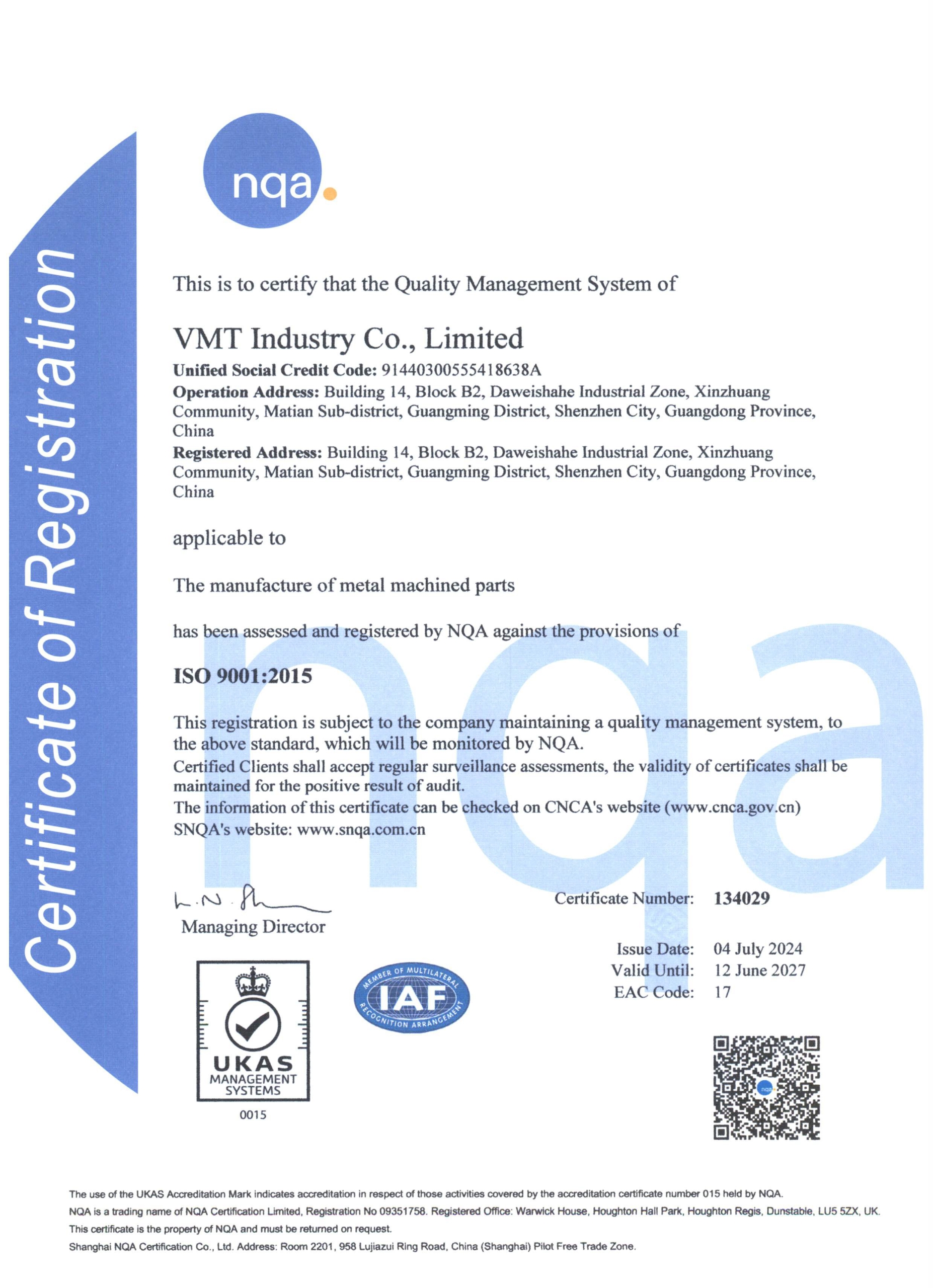
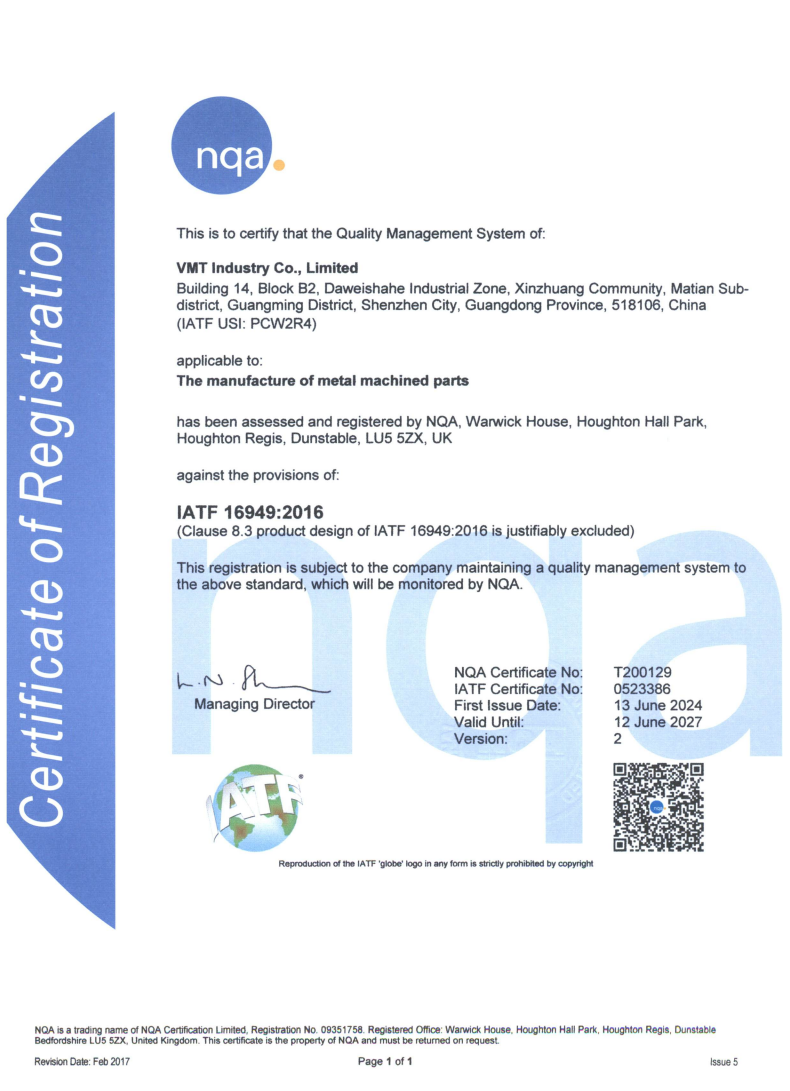
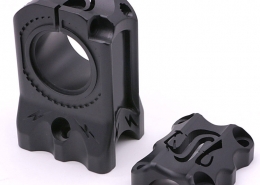
Consistency in cnc drone parts is maintained through a documented Process Control Plan (PCP) that governs every stage from initial DFM to production. At VMT, we utilize high-precision CNC centers and standardized carbide tooling to manage mechanical deviation across production lots. Each batch begins with a First Article Inspection (FAI), followed by in-process monitoring of critical dimensions such as bearing bores and motor mounts. By locking in validated machining parameters—including spindle speeds and feed rates—we help keep large-scale orders within the specified tolerance range. This repeatability is verified via calibrated CMM reports, providing objective data that every component remains consistent with your original engineering specifications.
Will Your CNC Drone Parts Surface Finish Stay Consistent Without Affecting Assembly?
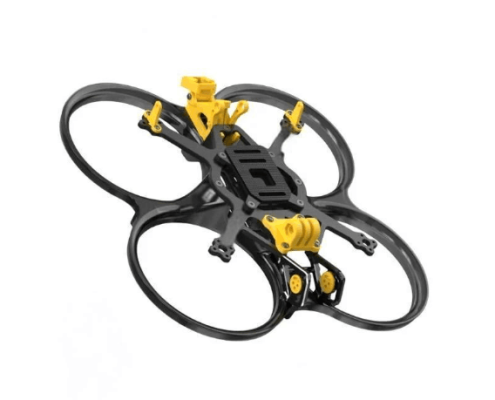
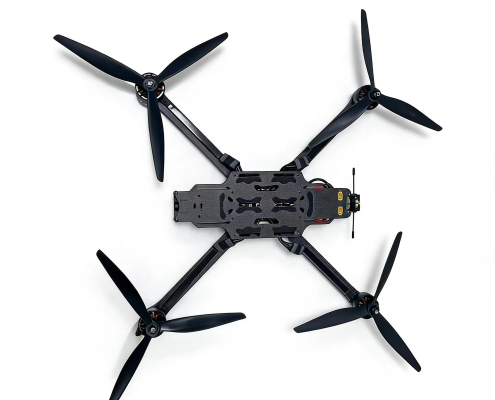
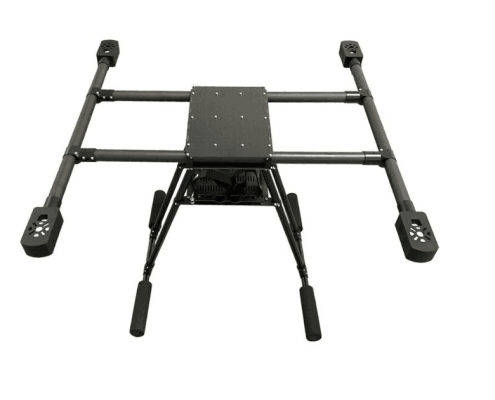
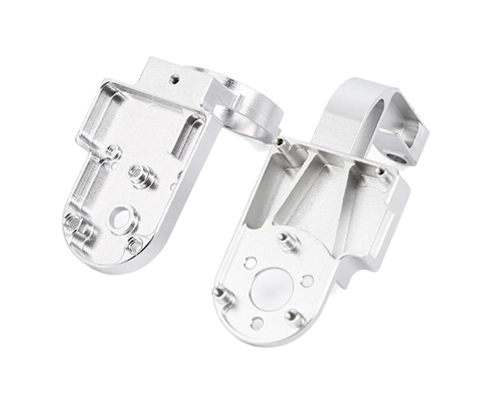
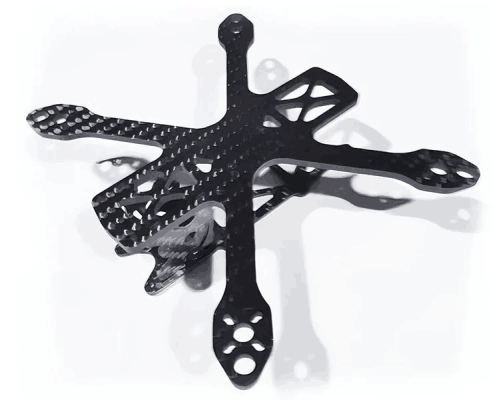
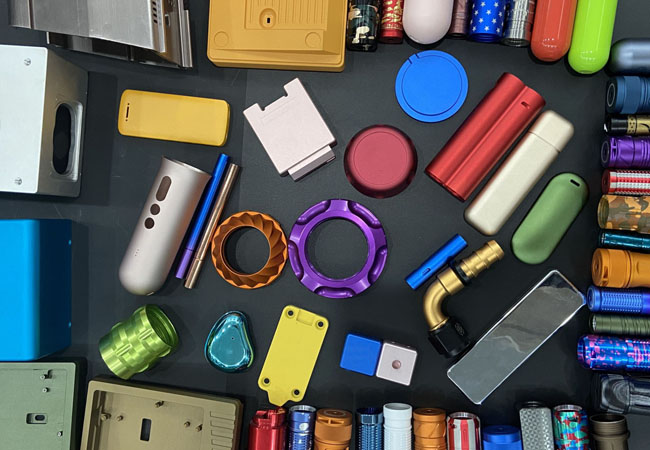
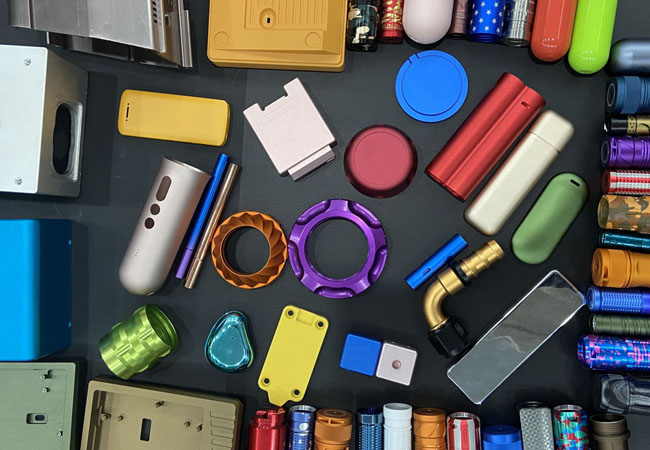
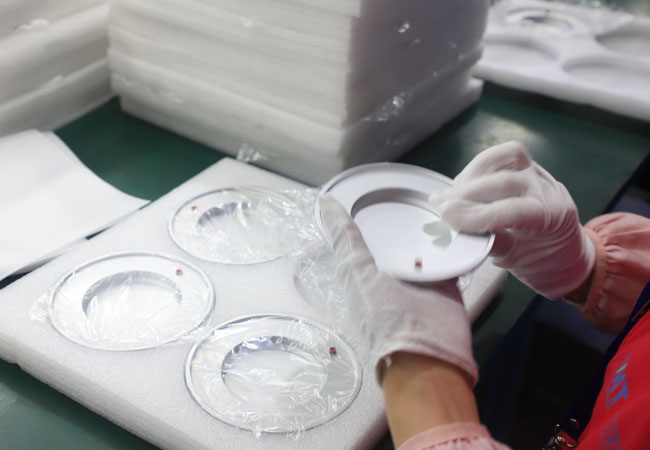
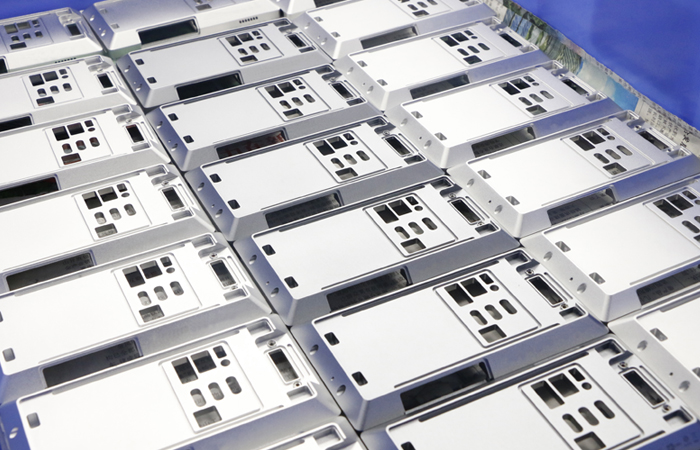
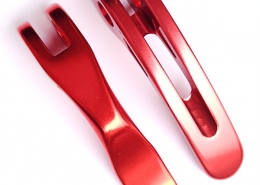
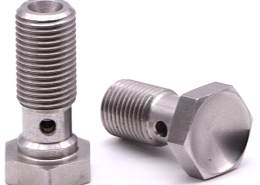
Maintaining surface integrity on custom cnc drone parts is essential for both component durability and mechanical fitment. We implement controlled rack-anodizing protocols and calibrated bead-blasting pressures to achieve a uniform matte or gloss finish. To manage dimensional growth or “thread rounding” caused by coating thickness, we utilize precision masking for critical interface areas, such as press-fit joints and internal threads. Our controlled finishing process helps ensure that surface treatments do not compromise the tight tolerances required for drone frames and gimbal assemblies. This meticulous approach contributes to consistent fitment across all parts, reducing the risk of alignment issues often associated with unmonitored chemical film or anodizing layers.
Is My CNC Drone Parts Design Fully Protected During Manufacturing?
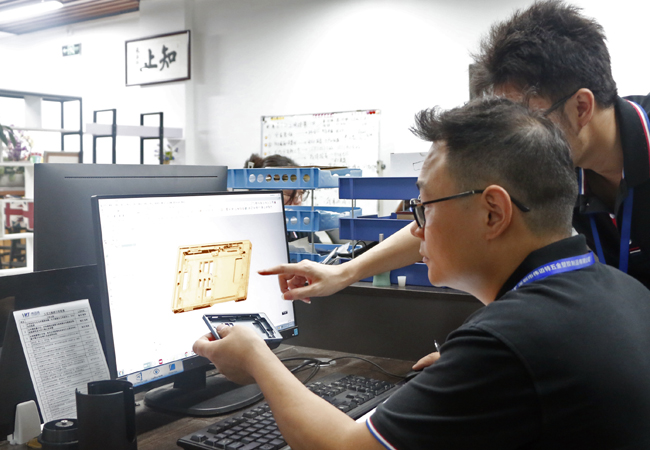
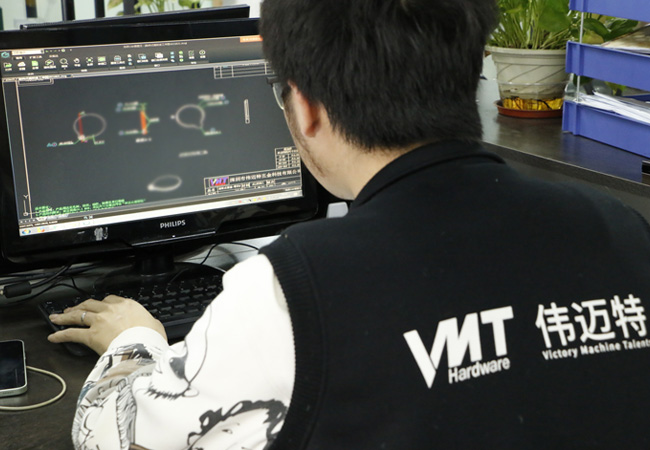
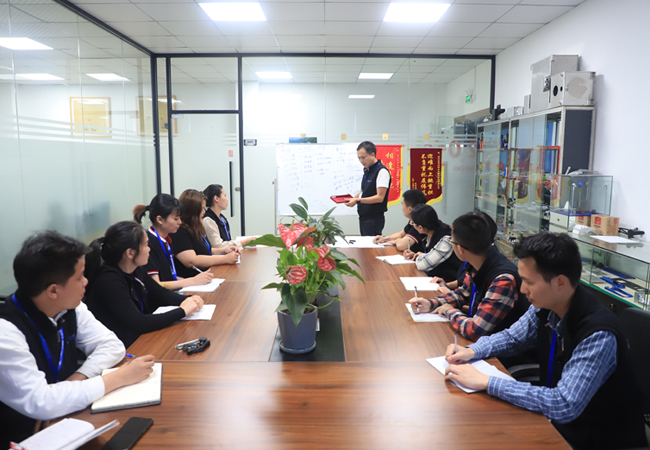
We manage the intellectual property of your cnc drone parts through a restricted and documented workflow. Design protection begins with a signed Non-Disclosure Agreement (NDA) and extends to a secure digital environment where access to CAD files is limited to authorized engineering personnel. Our internal protocols include a strict “no-photography” policy on the production floor to protect proprietary geometries during the machining process. Beyond digital security, we manage the physical integrity of your designs by handling core manufacturing operations in-house, significantly reducing the risk of IP leakage. This controlled process supports the confidentiality of your technical innovations from the initial prototyping phase through to full-scale production.