Precipitation Hardening Stainless Steel:Complete Guide
By Luca Xie | Dec .30, 2025
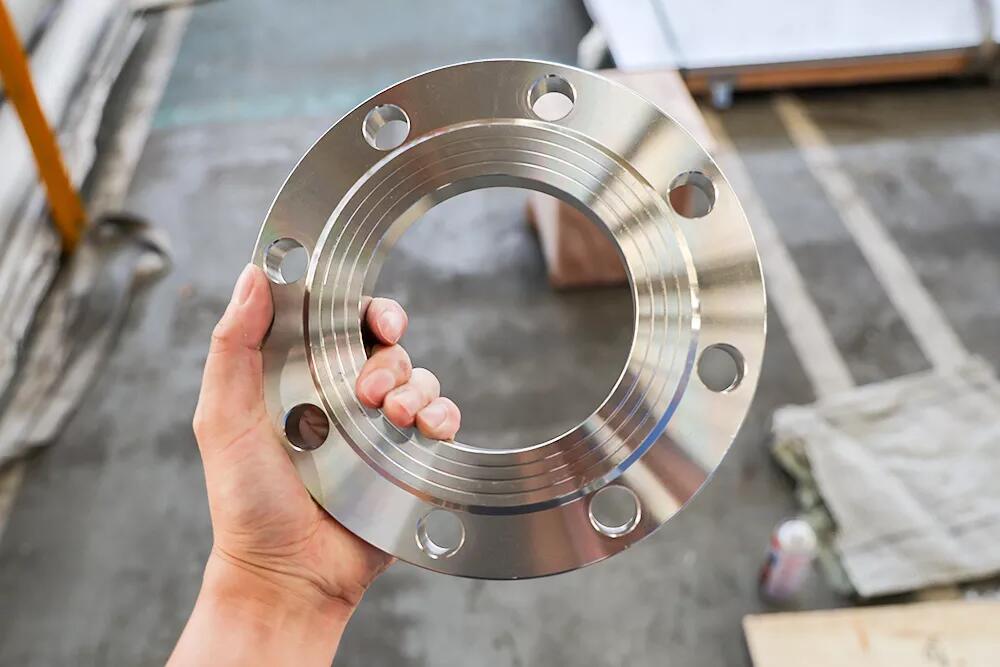

Engineers face challenges when stainless steel parts warp or lose precision during CNC machining. Standard alloys often distort or fail in high-strength applications. Precipitation Hardening Stainless Steel offers consistent hardness, corrosion resistance, and minimal distortion, making it ideal for automotive, medical, and optical components requiring tight tolerances.
Precipitation Hardening Stainless Steel provides unmatched strength, corrosion resistance, and precision. This guide covers its types, grades, chemical composition, characteristics, manufacturing processes, applications, and price considerations, helping engineers select the right hardened stainless steel.
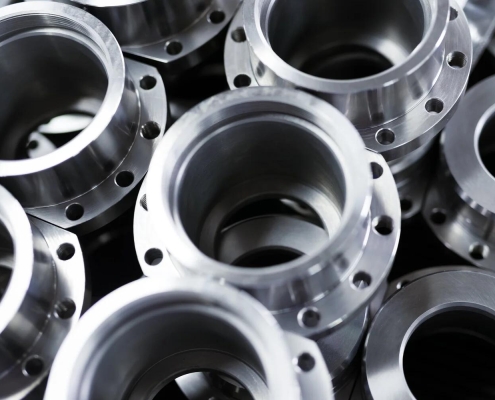
Precipitation Hardening Stainless Steel, also known as Age Hardening Stainless Steel or Precipitation Hardened Stainless Steel, is a specialized alloy that achieves high strength after heat treatment. Unlike standard stainless steel, it maintains tight tolerances during CNC machining. Engineers choose it for components where both precision and durability are critical. Its ability to resist distortion makes it ideal for aerospace, automotive, medical, and optical parts.
The precipitation hardening process includes solution treatment, quenching, and aging. During aging, fine particles precipitate inside the metal matrix. These particles strengthen the material without reducing ductility.The table below shows the key steps of the precipitation hardening of PH stainless steel:
| Step | Description | Effect on Material |
| Solution Treatment | Heat alloy to dissolve key elements | Prepares matrix for aging |
| Quenching | Rapidly cool to lock structure | Retains desired phase |
| Aging | Heat at controlled temperature | Precipitates particles, strengthens steel |
This section explains the main types and grades of Precipitation Hardening Stainless Steel, including Martensitic, Semi-Austenitic, and Austenitic alloys. You will learn the typical grades, international equivalents.
Martensitic Precipitation Hardening Stainless Steel offers extremely high strength and hardness while maintaining good corrosion resistance. Its microstructure is predominantly martensitic, which allows for effective age hardening and excellent wear resistance. These alloys provide minimal distortion during CNC machining and ensure uniform mechanical properties across high-stress components. They are commonly used for automotive gears, shafts, industrial tooling, and aerospace fittings.
The table below shows typical grades and equivalent materials of Martensitic PH stainless steel:
| Typical Grades | ASTM (USA) | AISI (USA) | SAE (USA) | EN/DIN (EU) | GB/YB (China) |
| 17-4PH | A564 | 630 | 630 | X5CrNiCuNb16-4 | 1Cr17Ni4Cu4Nb |
| 15-5PH | A693 | 631 | 631 | X5CrNiCu15-5 | 1Cr15Ni5Mo |
| 13-4PH | A564 | 631 | 631 | X12CrNiMo13-4 | 1Cr13Ni4Mo |
| 17-7PH | A693 | 631 | 631 | X5CrNiCu17-7 | 1Cr17Ni7Mo |
| 12-4PH | A564 | 630 | 630 | X12CrNi12-4 | 1Cr12Ni4 |
| 18-4PH | A564 | 630 | 630 | X18CrNiCu18-4 | 1Cr18Ni4Cu |
Semi-Austenitic Precipitation Hardenable Stainless Steel combines the high strength of martensitic alloys with the toughness and corrosion resistance of austenitic alloys. Its microstructure contains both austenite and martensite, which allows for controlled hardening during heat treatment. These alloys provide excellent dimensional stability, low distortion during CNC machining, and uniform mechanical properties, making them suitable for precision aerospace fittings, optical mounts, medical instruments, and high-stress industrial components.
The table below shows typical grades and equivalent materials of Semi-Austenitic PH stainless steel:
| Typical Grades | ASTM (USA) | AISI (USA) | SAE (USA) | EN/DIN (EU) | GB/YB (China) |
| 13-8Mo | A637 | 630 | 630 | X12CrNiMo13-8 | 1Cr13Mo8 |
| 17-7Mo | A630 | 631 | 631 | X17CrNiMo17-7 | 1Cr17Mo7 |
| 15-7 | A637 | 631 | 631 | X15CrNiMo15-7 | 1Cr15Mo7 |
| 15-5Mo | A564 | 631 | 631 | X15CrNiMo15-5 | 1Cr15Mo5 |
| 16-7Mo | A637 | 631 | 631 | X16CrNiMo16-7 | 1Cr16Mo7 |
| 14-8Mo | A637 | 630 | 630 | X14CrNiMo14-8 | 1Cr14Mo8 |
Austenitic Precipitation Hardening Stainless Steel provides excellent corrosion resistance with moderate strength. Its microstructure is fully austenitic, which gives good toughness, excellent formability, and low magnetic permeability. These alloys maintain tight tolerances and minimal distortion during CNC machining, making them ideal for chemical processing equipment, decorative components, and precision industrial parts.
The table below shows typical grades and equivalent materials of Austenitic PH stainless steel:
| Typical Grades | ASTM (USA) | AISI (USA) | SAE (USA) | EN/DIN (EU) | GB/YB (China) |
| PH17-7Mo | A630 | 631 | 631 | X17CrNiMo17-7 | 1Cr17Mo7 |
| 17-4Cu | A564 | 630 | 630 | X5CrNiCu17-4 | 1Cr17Ni4Cu4 |
| PH304 | A312 | 304 | 304 | X5CrNi18-10 | 0Cr18Ni9 |
| 19-9PH | A240 | 304 | 304 | X5CrNi19-9 | 0Cr19Ni9 |
| PH316 | A240 | 316 | 316 | X5CrNiMo17-12-2 | 0Cr17Ni12Mo2 |
| PH321 | A240 | 321 | 321 | X6CrNiTi18-10 | 0Cr18Ni10Ti |
Precipitation Hardening Stainless Steel is mainly composed of iron, chromium, nickel, and copper, with small amounts of molybdenum, niobium, and titanium depending on the grade. Chromium forms a protective passive layer, providing corrosion resistance. Nickel stabilizes the microstructure and improves toughness. Copper is critical for the precipitation hardening process, forming fine particles that significantly increase strength after heat treatment. Molybdenum and niobium enhance corrosion resistance and high-temperature performance. Titanium stabilizes the structure, reduces distortion, and ensures precision during CNC machining.
This section explains the main characteristics of Precipitation Hardening Stainless Steel, highlighting strength, corrosion resistance, low distortion, heat resistance, and magnetic properties.
Precipitation Hardened Stainless Steel achieves high tensile and yield strength after heat treatment. Fine precipitates formed during the aging process increase hardness without sacrificing toughness. Components maintain precise dimensions during CNC machining and endure heavy mechanical stress. This makes PH stainless steel ideal for shafts, gears, and structural aerospace parts.The table below shows typical tensile and yield strength ranges of PH stainless steel:
| Alloy Type | Typical Tensile Strength (MPa) | Typical Yield Strength (MPa) |
| Martensitic | 1000–1400 | 900–1300 |
| Semi-Austenitic | 850–1250 | 700–1100 |
| Austenitic | 700–1100 | 500–900 |
PH Stainless Steel exhibits excellent resistance to general corrosion and stress corrosion cracking. Chromium and molybdenum provide a passive layer, while nickel enhances pitting resistance. These alloys are suitable for chemical processing equipment, marine applications, and medical instruments exposed to corrosive environments.
PH Stainless Steel shows minimal distortion during heat treatment and CNC machining. Controlled precipitation and optimized microstructure limit dimensional changes. Typical distortion after solution annealing and aging is 0.02–0.05% of the original dimension, ensuring precise tolerances for aerospace, optical, and medical components.The table below shows typical distortion ranges of PH stainless steel after heat treatment:
| Alloy Type | Typical Distortion (%) |
| Martensitic | 0.02–0.05 |
| Semi-Austenitic | 0.03–0.06 |
| Austenitic | 0.04–0.07 |
PH Stainless Steel can operate at moderately high temperatures without losing strength. Certain grades, especially martensitic alloys, maintain mechanical performance under heat, making them suitable for aerospace, automotive, and industrial components exposed to elevated temperatures.
Depending on the alloy type, PH stainless steel can be magnetic. Martensitic and semi-austenitic alloys are usually magnetic, whereas austenitic PH stainless steels exhibit very low magnetic permeability. This property is important when designing components for electrical or optical systems.
This section covers the main manufacturing processes for Precipitation Hardening Stainless Steel, including CNC machining, heat treatment, forming, and welding.
PH Stainless Steel is widely used in precision CNC-machined components. Its high strength and low distortion allow tight tolerances to be maintained during milling, turning, and drilling. VMT often use multi-axis CNC centers for aerospace fittings, optical mounts, and automotive parts. Cutting speeds and feeds must be optimized to prevent tool wear due to high hardness after aging.
The precipitation hardening process involves solution annealing, quenching, and aging. Solution annealing dissolves alloying elements to create a uniform microstructure. Quenching locks in a supersaturated solid solution, and aging allows fine precipitates to form, increasing strength. Proper heat treatment ensures consistent mechanical properties and minimal distortion during CNC operations.
PH stainless steel can be formed by both cold and hot working. Cold working increases strength before aging but may require stress relief to reduce distortion. Hot working, performed above the recrystallization temperature, enables shaping of larger components and reduces internal stresses. Combining these methods allows engineers to produce complex geometries while preserving dimensional stability.The table below shows typical processing temperature ranges for cold and hot working of PH stainless steel:
| Process | Temperature Range | Notes |
| Cold Working | Room temperature | Strength increases; may need stress relief |
| Hot Working | 950–1150°C | Reduces stress; allows shaping of large parts |
Welding PH stainless steel requires controlled heat input to avoid loss of strength or corrosion resistance. Post-weld aging may be needed to restore mechanical properties. Typical methods include TIG and MIG welding. Components must be clamped and supported to minimize distortion, especially for thin CNC-machined parts.
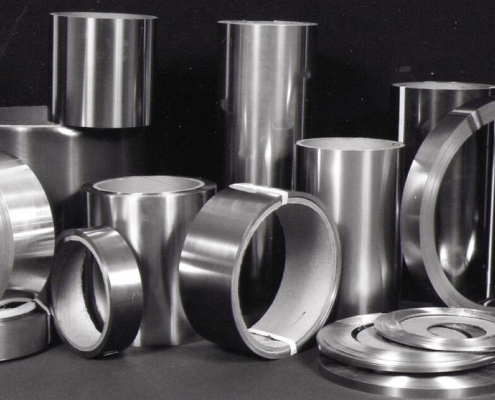
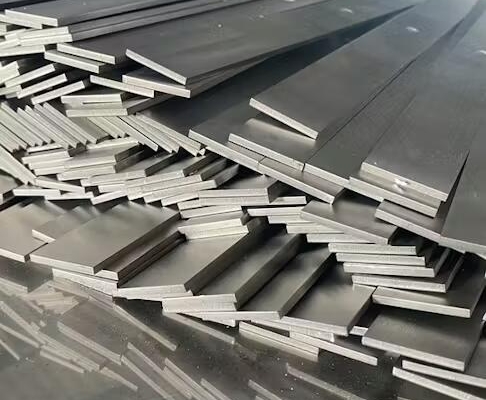
This section summarizes the key factors affecting Precipitation Hardening Stainless Steel pricing. Main factors include material grade, form and size, heat treatment, machining complexity, and regional factors. The table below shows main factors influencing PH stainless steel price:
| Factor | Description |
| Material Grade | Higher alloy content (Ni, Cu, Mo) increases raw material cost. Martensitic grades generally cost 5–8 USD/kg, while semi-austenitic and austenitic PH stainless steel range 8–12 USD/kg. |
| Form and Size | Bars, sheets, plates, and custom tubular products vary in cost depending on dimensions and precision. |
| Heat Treatment | Pre-aged or solution-treated materials cost more due to extra processing, energy use, and quality control. |
| Machining Complexity | Hardness and tight tolerances increase CNC machining time and tool wear. |
| Regional Factors | Material sourced from China is generally 15–30% cheaper than Europe or USA. Typical Chinese price: 5–10 USD/kg; USA/Europe: 7–14 USD/kg. |
The main difference between Precipitation Hardening Stainless Steel and Austenitic Stainless Steel is strength and dimensional stability. PH stainless steel achieves much higher tensile and yield strength and maintains low distortion during heat treatment and CNC machining. Corrosion resistance is similar, but PH alloys allow precise, high-stress components that austenitic steels cannot easily support.The table below shows typical performance comparison between PH and Austenitic stainless steels:
| Property | Precipitation Hardening Stainless Steel | Austenitic Stainless Steel |
| Tensile Strength | 700–1400 MPa depending on grade | 500–750 MPa |
| Yield Strength | 500–1300 MPa depending on grade | 200–500 MPa |
| Corrosion Resistance | Excellent, PREN 20–35 | Excellent, PREN 20–40 |
| Heat Resistance | Up to 300–400°C | Up to 200–300°C |
| Magnetic | Martensitic/semi-austenitic magnetic; austenitic low | Non-magnetic |
| Distortion | Very low during heat treatment and CNC machining | Higher; more difficult for tight tolerances |
A leading aerospace manufacturer in Germany struggled to produce landing gear components that required ultra-high strength, excellent corrosion resistance, and minimal distortion during heat treatment. Previous suppliers failed to deliver parts that maintained dimensional stability while achieving target mechanical properties after aging, causing assembly delays and quality issues.
VMT solved the problem through the following steps:
The results were outstanding: the German aerospace company received landing gear components with 700–1300 MPa tensile strength, minimal distortion, and excellent corrosion resistance. Parts met all tight tolerances and surface finish requirements. They reported improved assembly reliability and extended component lifespan. If you also face challenges producing high-strength, low-distortion components, contact VMT to get a free customized solution and quote.
Precipitation Hardening Stainless Steel offers a unique combination of high strength, corrosion resistance, and low distortion, making it ideal for precision CNC-machined components. Careful control of machining, heat treatment, and forming ensures consistent performance across aerospace, medical, industrial, and marine industries.
 WhatsApp/WeChat/Mobile:
+86-15099911516
WhatsApp/WeChat/Mobile:
+86-15099911516
 Tel: 86-150-9991-1516
 QQ: 939020977
 E-Mail: service@vimetal.com.cn


What Type Of Stainless Steel Can Be Precipitation Hardened?
Martensitic, semi-austenitic, and some austenitic stainless steels can be precipitation hardened. Common grades include 17-4 PH, 15-5 PH, and 13-8 Mo. These alloys are designed to respond to heat treatment, achieving high tensile strength, corrosion resistance, and dimensional stability suitable for CNC-machined precision components.
How To Make Stainless Steel Precipitation Hard?
Stainless steel becomes precipitation hardened through solution annealing followed by aging. The process involves heating the alloy to dissolve alloying elements, quenching to retain a supersaturated structure, and then aging at controlled temperatures to form fine precipitates. This increases hardness, tensile strength, and wear resistance while maintaining corrosion resistance.
What Metals Can Be Precipitation Hardened Beside Stainless Steel?
Besides stainless steel, aluminum, copper, nickel, and some titanium alloys can be precipitation hardened. These metals form fine precipitates during controlled aging, enhancing strength, hardness, and dimensional stability. Engineers select precipitation hardenable alloys when both mechanical performance and precision are critical.
What Are The Disadvantages Of Precipitation Hardening Stainless Steel?
Precipitation hardened stainless steels can be more expensive than standard alloys. They may require careful heat treatment and machining to avoid distortion. Some grades have limited toughness at very low temperatures, and over-aging can reduce strength. Specialized processing is often necessary to maintain performance and dimensional accuracy.

 Lean Duplex Stainless Steel:Grades, Properties & Uses