Does Carbon Steel Rust?Reasons and Prevention
By JunWen Liu | Mar .12, 2026
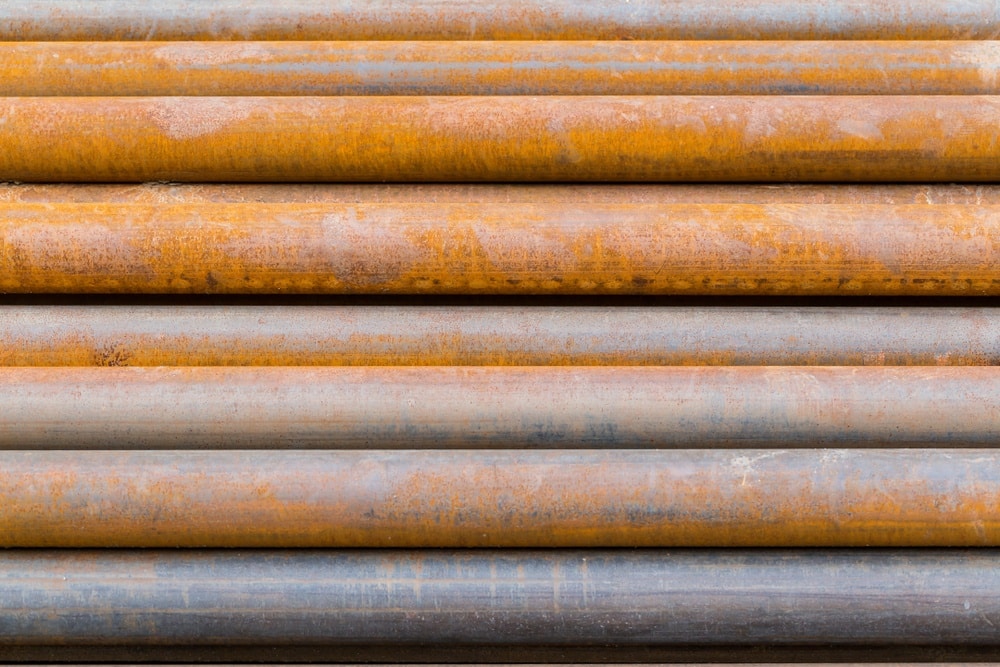

Does carbon steel rust? Surely it is——all the carbon steel is prone to rust. And for the behind reason is not only for it’s primarilly composed of above 98% iron content. The microstructure of carbon steel, as well as the humidity and temperature of the environment, also affect the rate at which carbon steel rusts. Additionally, since we understand that carbon steel is prone to rust, knowing how to prevent it is essential for your carbon steel part production plan.
First, the high iron content of carbon steel (98-99% iron, 0.1-2.0% carbon) makes it very easy for it to react with air and moisture—leading to rust (iron oxide). Carbon steel cannot form a surface protective oxide film like stainless steel does—where over 10.5% chromium forms chromium oxide to protect the interior from oxidation. Instead, the surface oxide of carbon steel is simply rust. Without surface protection, once rust forms (which is porous and easily flakes off), moisture and oxygen are more easily absorbed, causing further rusting.
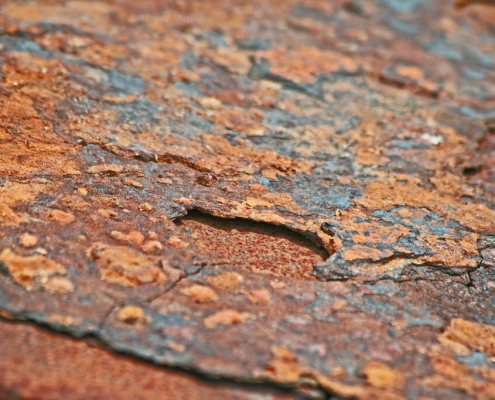
The microstructure of carbon steel is primarily composed of ferrite and cementite, which easily forms galvanic corrosion—ferrite acts as an anode and cementite acts as a cathode. Once a spot starts to rust, the electrochemical corrosion caused by the internal structure (i.e., accelerated corrosion) . This microstructure makes carbon steel even more prone to accelerated rusting than pure iron.
Needless to say, if you are producing carbon steel products or components, it is best to use them in a dry indoor environment. For outdoor use, seaside salt spray, or chemical acids and bases, carbon steel is clearly not suitable and will rust very easily.
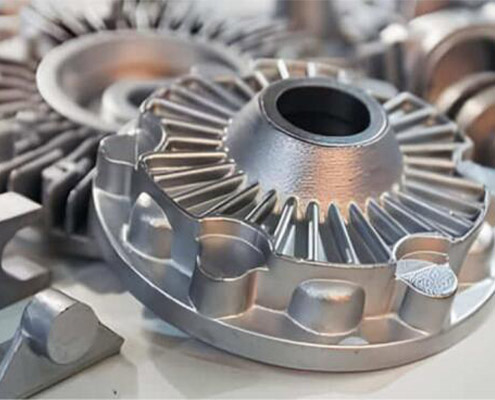
In high-temperature environments, if combined with humidity, carbon steel rusts faster. In environments with temperatures above 40°C and high humidity (RH > 60%) but below 100°C (where moisture evaporates), the electrochemical reaction activity of carbon steel peaks, and the rusting speed increases exponentially.
When the temperature exceeds 200°C, even in a dry environment, carbon steel will begin to undergo dry oxidation (forming scale). As the temperature rises, the diffusion rate of iron atoms increases, and the oxide layer thickens and flakes off.
Surely it rusts. Actually, not only high carbon steel (carbon content 0.6-2.0%, more often lower 1.2%), but also low carbon steel (the mild steel, carbon content 0.1-0.3%) and medium carbon steel (carbon content 0.3-0.6%), they are the same prone to rust.
If it rusts, how do you remove rust from the surface of carbon steel?
You can use rust removers (such as WD-40) for chemical dissolution, or remove it through physical methods like sandblasting or wire brushing. After removal, oil or surface treatment must be applied immediately; otherwise, it will rust again very quickly.
As we explored, a dry environment without chemical acids or bases, or salt spray, and a normal temperature range (daily use temperature 0°C – 35°C) is the best environment. For short-term storage of machined parts (or if you need low-cost maintenance for carbon steel components), applying Industrial Anti-rust Oil is the simplest and most effective method. The oil film isolates oxygen and moisture from the air, forming a physical barrier to prevent the carbon steel from rusting easily.
CNC machined carbon steel parts such as fasteners, bolts, nuts, and gears usually use a galvanizing process to form an externally sealed protection (to prevent corrosion). Additionally, it serves an aesthetic purpose—galvanizing typically makes carbon steel brighter and more mirror-like.
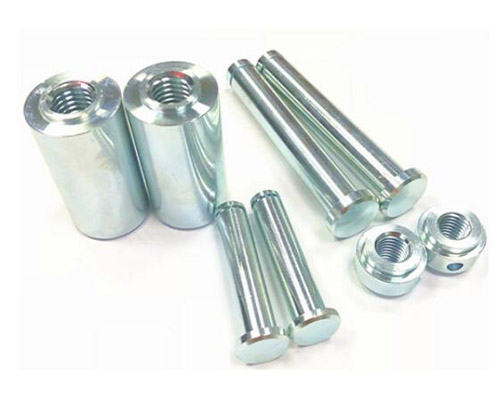
Similarly, powder coating—spraying powder onto carbon steel—is also applicable to carbon steel parts produced by CNC machining and is relatively cheaper than galvanizing (for the same surface area). Additionally, for large carbon steel structural parts produced by stamping, powder coating or painting can be chosen for better cost-effectiveness. However, it is not as durable or as well-sealed as galvanizing and may flake off more easily over time.
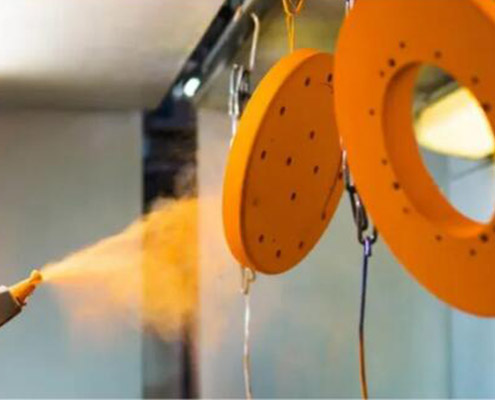
Black oxide is also a cost-effective surface protection process for carbon steel.
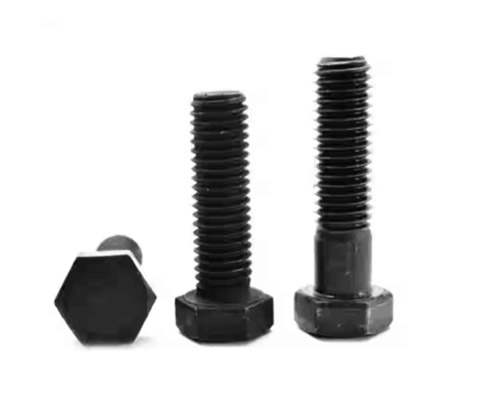
The above are the most commonly used methods; others available for your selection include:
Through this article, you have learned about the causes and contributing factors of carbon steel rusting, as well as several surface protection processes to prevent it.
We—VMT Factory—specialize in CNC machining various precision parts according to drawings and requirements, including carbon steel parts. At the same time, our factory, engineers, and our many partner surface treatment providers can provide you with a one-stop service for carbon steel material selection, rapid prototyping, mass production, post-processing, and surface treatment.
Share the Project That We’ve Done
Project Name: Mass Production of Precision 45# Steel Drive Shafts for an Automated Transmission System
Challenges & Requirements:
The customer requested high performance while balancing cost:
Solutions:
The VMT engineering team evaluated the requirements and suggested a combination of CNC Precision Machining + Black Oxide + Anti-rust Oil Immersion:
Results:
After the delivery of the first batch of 3,000 drive shafts, the parts appeared uniform and bright as new, with 100% of critical dimensions meeting the ±0.01mm tolerance requirement. This solution met all technical indicators while helping the customer significantly reduce procurement costs, gaining high recognition and leading to long-term orders.
 WhatsApp/WeChat/Mobile:
+86-15099911516
WhatsApp/WeChat/Mobile:
+86-15099911516
 Tel: 86-150-9991-1516
 QQ: 939020977
 E-Mail: service@vimetal.com.cn


Does Carbon Steel Rust Easily?
Without surface protection, carbon steel indeed rusts very easily in humid, high-temperature, or salt-acid environments. If processes like galvanizing are used and the parts are used in a mild, dry environment, they can last for decades without rusting.
Does Black Carbon Steel Rust?
Yes. Black carbon steel usually refers to carbon steel with mill scale or that has undergone black oxide treatment. While the black oxide layer provides some rust resistance, it will still rust if there is no oil film protection or if the surface is scratched.
Does Carbon Steel Cookware or Knife Rust?
Yes, carbon steel cookware and knives are highly prone to rust. This is why chefs must dry them after use and perform “Seasoning”—applying vegetable oil and heating it to form a protective carbonized film.
Does 1045 carbon steel rust?
Yes. 1045 steel is a medium carbon steel. Due to the lack of protective alloying elements like chromium, it rusts very quickly when exposed to moisture and oxygen.
Does carbon stainless steel rust?
While stainless steel contains chromium to resist corrosion, high-carbon stainless steels (like 440C) still have the potential to rust in salt spray, acidic environments, or when improperly maintained (it rusts more easily than standard stainless steel but is more corrosion-resistant than carbon steel).