Cnc Material: Types and Manufacturing Performance
By Luca Xie | Nov 13, 2025
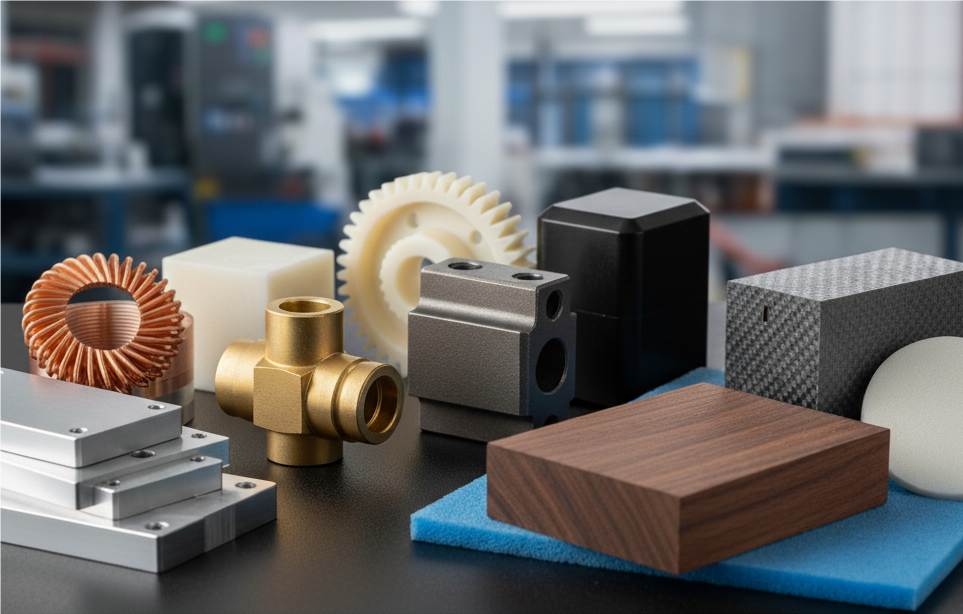

When your CNC parts fail to meet tight tolerances or lose their finish too soon, the real problem often lies in your CNC material choice. The wrong machining materials can increase tool wear, slow production, and raise costs. Selecting the right one transforms your project—delivering precision, reliability, and perfect appearance.
This guide explores CNC material types, including metals, plastics, and other machinable options, to help you understand their manufacturing performance, strengths, and applications. You’ll learn how each CNC machining material behaves in production and how to select the best fit for your project’s needs.
When you work with CNC machining material, metals dominate the manufacturing world for their unmatched balance of strength, rigidity, and visual appeal. Each CNC material behaves differently under cutting forces, influencing tool wear, chip formation, and final tolerance. By understanding how different metals perform, you can choose the right machining material to achieve your ideal balance between speed, strength, and surface finish.
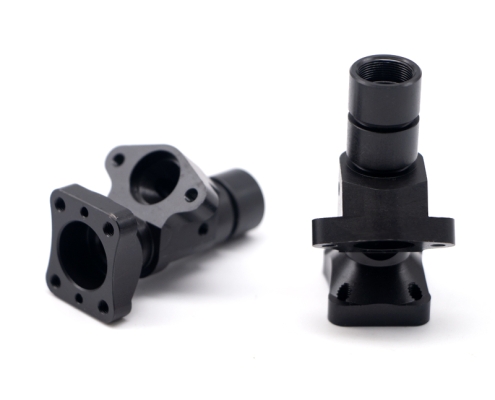
Aluminum is the most popular CNC cutting material due to its lightweight nature, excellent machinability, and strong corrosion resistance. It dissipates heat effectively, supports fast feed rates, and produces clean surface finishes. Because it’s both durable and aesthetic, it’s a favorite for high-volume CNC production.
Applications:
You’ll find aluminum in automotive brackets, aerospace structures, optical instrument housings, electronic enclosures, and consumer product shells. It’s the go-to choice when you need both performance and premium appearance, especially for components resembling iPhone-quality finishes.
Common Grades:
6061 Aluminum, 6063 Aluminum, 7075 Aluminum, 2024 Aluminum, 5052 Aluminum etc.
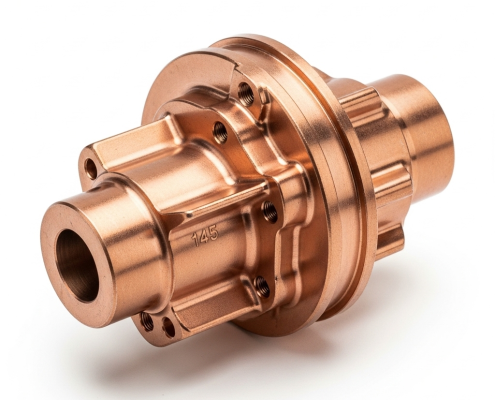
Copper is a highly conductive CNC machining material known for its superior electrical and thermal properties. It resists corrosion and oxidation while maintaining excellent ductility. Although it tends to stick to cutting tools, skilled setups and lubricants help ensure smooth machining.
Applications:
You’ll typically use copper in electronic connectors, heat exchangers, bus bars, and cooling systems. In high-performance electronics or thermal management systems, it ensures efficient energy transfer and reliability.
Common Grades:
C11000 Copper, C10100 Copper, C14500 Copper etc.
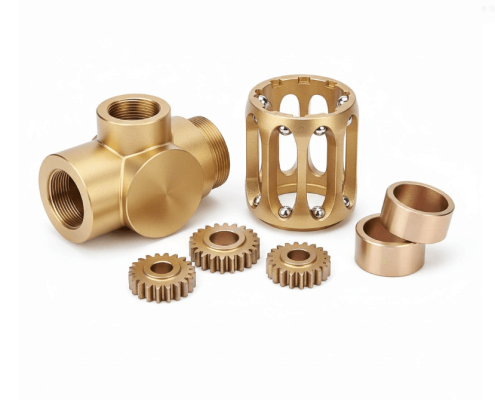
Bronze, an alloy of copper and tin, offers exceptional strength, dimensional stability, and resistance to wear. It’s a reliable machining material for parts that endure friction, vibration, or rotation. Its natural self-lubricating property helps extend service life under continuous motion.
Applications:
You’ll often see bronze used in bearings, bushings, valves, and gear systems across industrial machinery, aerospace, and marine environments. Its resistance to corrosion in saltwater also makes it ideal for ship components.
Common Grades:
C93200 Bearing Bronze, C95400 Aluminum Bronze, C51000 Phosphor Bronze etc.
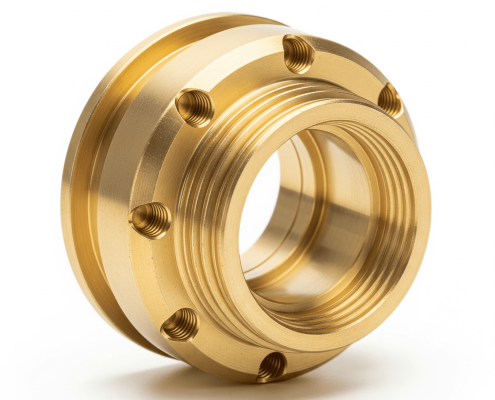
Brass is a cheap CNC material made from copper and zinc, valued for its smooth surface, attractive gold-like color, and outstanding machinability. It cuts easily, creates minimal tool wear, and requires little finishing after machining.
Applications:
You’ll frequently use brass in instrumentation, plumbing, decorative components, and electronic connectors. Because of its combination of workability and aesthetics, it’s often selected for luxury consumer products and precision fittings.
Common Grades:
C36000 Free-Cutting Brass, C46400 Naval Brass, C26000 Cartridge Brass etc.
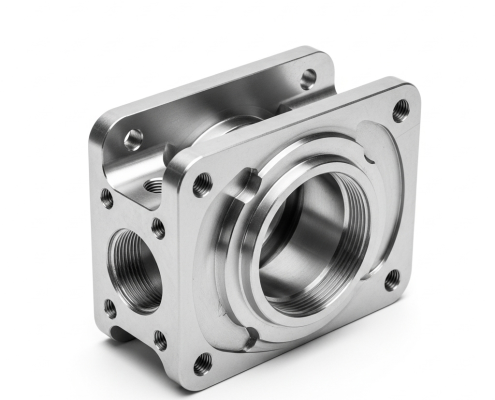
Stainless steel is one of the strongest and most durable CNC machining materials. Its chromium content forms a protective oxide layer that prevents corrosion, making it suitable for harsh or sterile environments. While tougher to cut than softer metals, it delivers unmatched longevity and dimensional stability.
Applications:
You’ll find stainless steel in medical equipment, marine components, food processing systems, and aerospace assemblies. It’s chosen when hygiene, strength, and resistance to extreme conditions are top priorities.
Common Grades:
304 Stainless Steel, 316 Stainless Steel, 303 Stainless Steel, 410 Stainless Steel, 416 Stainless Steel etc.
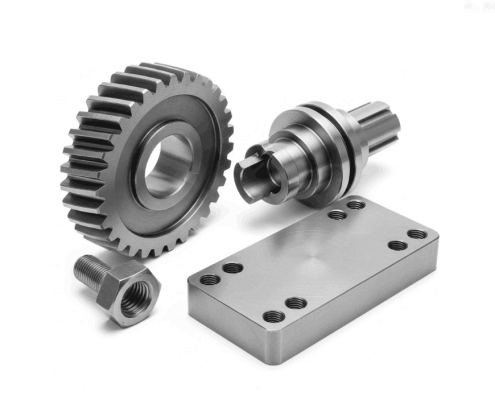
Steel is the backbone of modern manufacturing and one of the most versatile CNC machining materials available. It offers high tensile strength, toughness, and adaptability to heat treatments. You can choose between mild steels for easier cutting or hardened tool steels for extreme durability.
Applications:
You’ll use steel in automotive components, construction machinery, industrial tools, and molds. It’s also used in shafts, fasteners, and mechanical housings where strength and fatigue resistance are crucial.
Common Grades:
1018 Steel, 1045 Steel, 4140 Steel, A36 Steel, D2 Tool Steel etc.
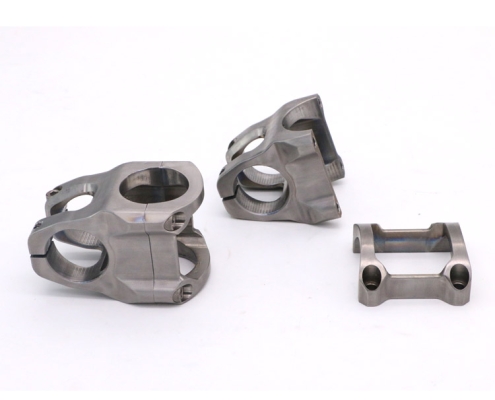
Titanium is a high-performance CNC machining material combining low density with extraordinary strength and corrosion resistance. Its biocompatibility also makes it safe for human contact. Although it’s difficult to machine due to its toughness and poor thermal conductivity, the results are worth the effort.
Applications:
You’ll find titanium in aerospace structures, medical implants, racing components, and defense systems. Its strength-to-weight ratio allows you to create parts that are both lightweight and highly durable under extreme stress.
Common Grades:
Grade 2 Titanium, Grade 5 Titanium (Ti-6Al-4V), Grade 23 Titanium etc.
Each alloy enhances your CNC material list, giving you broader freedom to optimize parts for thermal stability, corrosion resistance, or specialized applications.
| Material | Key Property | Common Use |
| Zinc | Low cost, easy casting | Automotive parts, housings |
| Magnesium | Lightweight, easy to machine | Aerospace frames |
| Molybdenum | High melting point | Electronics, heat shields |
| Tungsten | Extreme hardness | Tooling, high-temp parts |
| Kovar | Controlled expansion | Electronic seals |
| Invar | Thermal stability | Optical instruments |
| Nickel & Hastelloy | Corrosion resistant | Chemical, marine |
While metals offer strength and rigidity, CNC plastic material provides you with exceptional versatility, light weight, and design freedom. Plastics are non-conductive, corrosion-resistant, and capable of maintaining precision in complex geometries. For industries like medical, automotive, electronics, and industrial manufacturing, choosing the right CNC machining material ensures excellent performance, cost efficiency, and appearance quality.
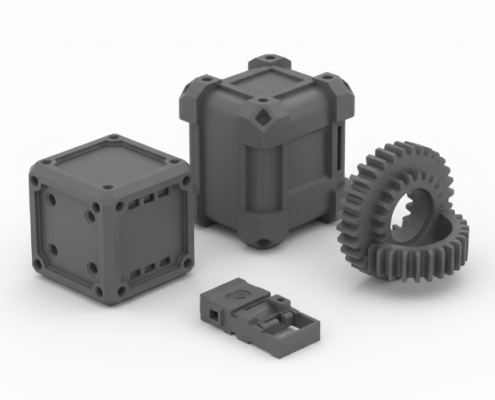
ABS is one of the most common CNC machining materials, appreciated for its strength, dimensional stability, and affordability. It machines smoothly, produces minimal burrs, and maintains structural integrity even under impact.
Applications:
You’ll use ABS in automotive interior components, consumer electronics housings, tooling fixtures, and mechanical prototypes. Because of its low cost and excellent machinability, it’s one of the best cheap CNC materials for testing and small-batch production.
Common Grades:
ABS Natural, Flame-Retardant ABS, High-Impact ABS etc.
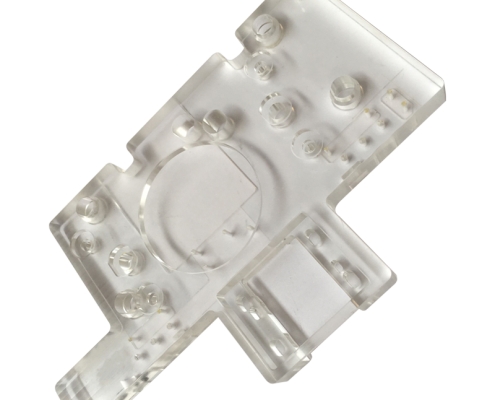
PMMA, commonly known as acrylic, is a transparent CNC plastic material famous for its glass-like clarity, good weather resistance, and optical precision. It’s lightweight, easy to polish, and offers a smooth glossy finish after machining.
Applications:
You’ll use PMMA for optical lenses, display windows, light diffusers, and instrument covers. When visual transparency and surface quality matter, acrylic delivers premium results.
Common Grades:
Clear Acrylic, UV-Resistant Acrylic, Impact-Modified Acrylic etc.
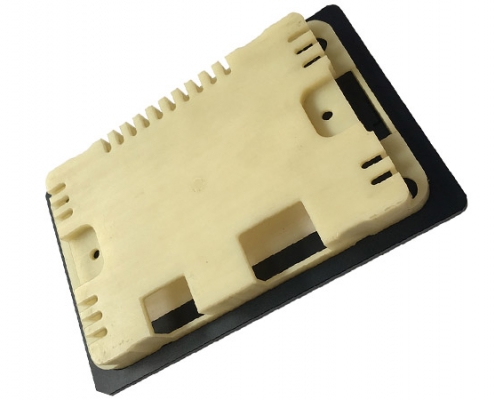
Nylon is a tough, flexible CNC material known for its excellent wear resistance and mechanical strength. It’s ideal for moving parts due to low friction and self-lubricating properties, although it may absorb moisture in humid environments.
Applications:
You’ll use nylon for gears, bearings, rollers, and valves in industrial machinery and automotive assemblies. Its durability makes it perfect for components under continuous motion.
Common Grades:
Nylon 6, Nylon 66, Cast Nylon etc.
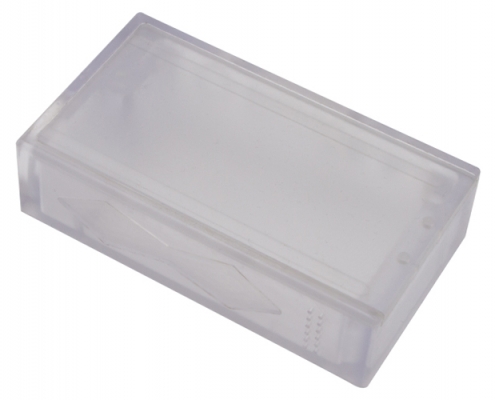
Polycarbonate is a transparent, impact-resistant CNC machining material combining clarity and toughness. It retains strength at high temperatures and has excellent dimensional stability, even after repeated machining.
Applications:
You’ll use PC in machine guards, medical housings, protective covers, and optical parts. It’s preferred where you need visual transparency combined with high impact resistance.
Common Grades:
Optical-Grade Polycarbonate, Flame-Retardant PC, Reinforced PC etc.
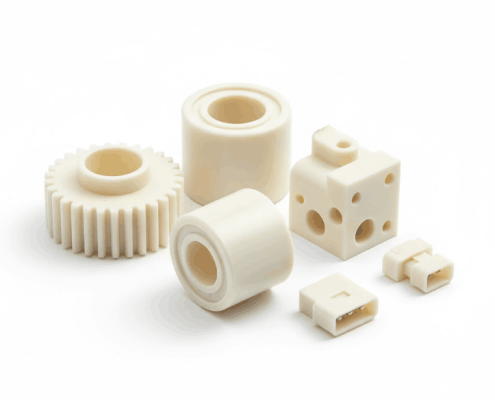
POM, often known as Delrin, is a stiff, low-friction CNC cutting material offering high precision and excellent dimensional stability. It’s resistant to wear, moisture, and many chemicals, making it one of the most reliable engineering plastics.
Applications:
You’ll use POM in precision gears, automotive fuel components, medical devices, and electronic connectors. It’s ideal when you need smooth motion, low friction, and high accuracy.
Common Grades:
Delrin 150, Delrin 500, Acetal Copolymer etc.
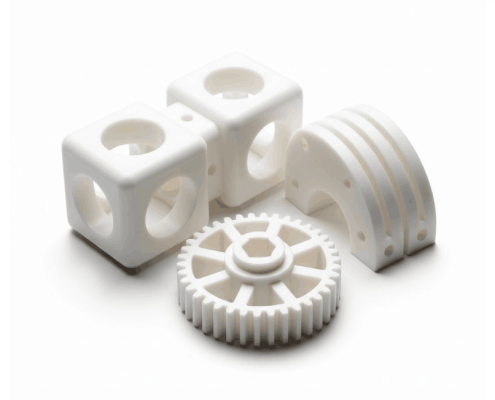
HDPE is a lightweight, durable CNC plastic material that resists moisture, chemicals, and impact. It’s easy to cut and shape while maintaining good toughness and flexibility.
Applications:
You’ll use HDPE for chemical storage tanks, marine components, pipes, and protective boards. Its combination of impact strength and corrosion resistance makes it suitable for outdoor and wet environments.
Common Grades:
HDPE Natural, UV-Stabilized HDPE, Black HDPE etc.
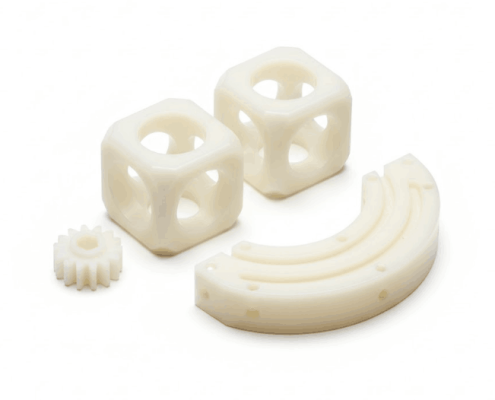
Polypropylene is a semi-rigid CNC machining material with excellent fatigue strength, chemical resistance, and flexibility. It can be machined into thin, durable parts with minimal moisture absorption.
Applications:
You’ll use PP in medical instruments, chemical containers, automotive parts, and pump housings. It’s a cost-effective choice for applications requiring resistance to acids and solvents.
Common Grades:
Homopolymer PP, Copolymer PP etc.
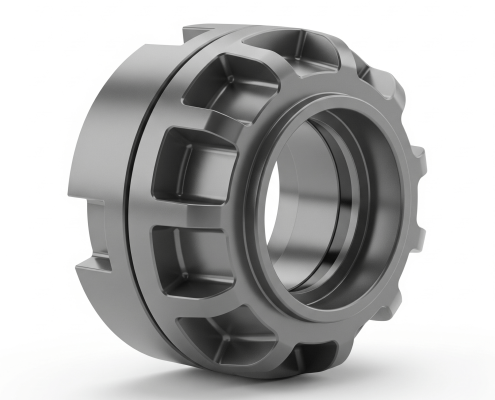
PEEK is one of the highest-performance CNC machining materials, capable of handling extreme heat, pressure, and chemicals. It maintains dimensional accuracy and stability even in harsh environments.
Applications:
You’ll use PEEK in aerospace structures, medical implants, powertrain components, and high-performance electronics. It’s chosen for applications demanding long-term reliability and superior mechanical strength.
Common Grades:
PEEK 1000, Glass-Filled PEEK, Carbon-Filled PEEK etc.
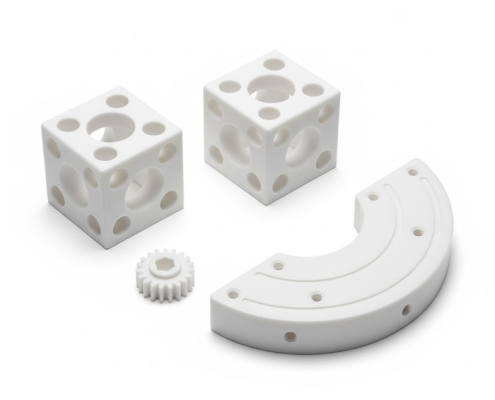
PTFE, often known as Teflon, is a non-stick, self-lubricating CNC cutting material with outstanding chemical resistance and temperature tolerance. It’s highly inert and electrically insulating, ideal for extreme operating conditions.
Applications:
You’ll use PTFE for seals, gaskets, valves, and insulators in aerospace, electronics, and chemical processing systems. Its low friction coefficient ensures smooth operation under load.
Common Grades:
Virgin PTFE, Glass-Filled PTFE, Carbon-Filled PTFE etc.
Each option in your CNC material list allows you to tailor performance—whether you’re aiming for high precision, visual transparency, or chemical durability. Selecting the right plastic CNC material ensures consistent results, cost savings, and design freedom across your production runs.
| Material | Key Feature | Common Use |
| PVC(Polyvinyl Chloride) | Corrosion-resistant | Chemical tanks, piping |
| PVDF(Polyvinylidene Fluoride) | High purity | Medical, chemical processing |
| PEI(Polyetherimide – Ultem) | Heat-resistant | Aerospace, electronics |
| Phenolics(Bakelite) | Electrical insulation | Tool handles, circuit boards |
| PET(Polyethylene Terephthalate) | Dimensional stability | Bearings, rollers |
| PPS(Polyphenylene Sulfide) | Chemical resistance | Automotive, electronics |
| G10 / FR4(Epoxy Glass Laminate) | Rigidity, insulation | Electrical panels |
Beyond metals and plastics, you can leverage a variety of other CNC materials that offer unique properties for specialized applications. These include composites, ceramics, and wood. Each material type provides advantages in weight reduction, thermal resistance, or custom aesthetics. Understanding their manufacturing performance helps you select the most suitable CNC cutting material for your project.
Composites combine two or more materials to create a CNC machining material with enhanced mechanical properties, such as high strength-to-weight ratio or superior chemical resistance. Fiber-reinforced composites, like carbon fiber or fiberglass, are popular for precision machining due to their stiffness and dimensional stability.
Applications:
You’ll use composites in aerospace frames, automotive body panels, sports equipment, and industrial machinery components. They are ideal when weight reduction and mechanical strength are both critical.
Common Types:
Carbon Fiber Reinforced Polymer (CFRP), Glass Fiber Reinforced Polymer (GFRP), Kevlar Composites etc.
Ceramics are extremely hard, wear-resistant CNC materials capable of maintaining dimensional stability at high temperatures. They are electrically insulating and chemically inert, making them suitable for high-precision, high-performance applications.
Applications:
You’ll use ceramics in cutting tools, electronic insulators, medical implants, and aerospace components. They are particularly beneficial for applications where friction, heat, and chemical resistance are critical.
Common Types:
Alumina (Al₂O₃), Zirconia (ZrO₂), Silicon Nitride (Si₃N₄) etc.
Wood and foam are natural or engineered CNC material wood options offering versatility for prototyping, aesthetic projects, and low-load components. They are easy to machine, lightweight, and cost-effective.
Applications:
You’ll use wood and foam in furniture prototypes, architectural models, pattern making for casting, and low-stress decorative parts. These materials allow rapid production while keeping tooling simple.
Common Types:
Maple, Oak, MDF (Medium-Density Fiberboard), Polyurethane Foam, Polystyrene Foam etc.
Understanding the manufacturing performance of your CNC material is essential for producing high-precision, durable, and cost-effective parts. Whether you are working with metals or plastics, evaluating key factors such as machinability, hardness, wear resistance, thermal behavior, surface finish, and dimensional stability ensures you can select the right CNC cutting material and optimize your tooling, feed rates, and finishing methods.
Machinability & Cutting Values:
You should assess how easily a material can be cut, including recommended spindle speeds, feed rates, and tool types. Metals like aluminum and brass allow high-speed cutting with minimal tool wear, while stainless steel and titanium require slower speeds and carbide tooling. Plastics are generally easier to machine, but high-speed cutting can cause melting or burrs, so sharp tools and proper chip evacuation are necessary.
Material Hardness / Strength:
Hardness affects both durability and machinability. High-strength metals such as steel and titanium withstand heavy loads but are harder to cut. Hard plastics like PEEK maintain shape under stress, while softer plastics like HDPE or PP may deform if cutting forces or clamping pressures are too high. Selecting materials that match your load requirements helps prevent deformation and ensures dimensional accuracy.
Wear Resistance:
Wear resistance is critical for components in motion or under friction. Metals such as bronze or hardened steel maintain their dimensions over time, whereas softer metals like copper may wear faster without proper support or lubrication. Plastics like nylon and POM resist abrasion well, while ABS or HDPE require careful design to avoid premature wear.
Thermal Properties:
Heat generation during machining affects tool life, tolerances, and surface quality. Metals with high thermal conductivity, such as aluminum and copper, dissipate heat efficiently. Titanium and stainless steel retain heat and may require coolant to prevent warping. Plastics have lower melting points; materials like PC and PEEK tolerate heat well, while ABS and PP can deform if cutting temperatures are too high.
Surface Finish Potential:
Surface finish depends on material type, cutting speed, and tool sharpness. Aluminum, brass, and certain plastics like PMMA or POM can achieve smooth, polished surfaces quickly. Stainless steel or harder plastics may require secondary finishing processes such as sanding, polishing, or chemical treatment to achieve desired appearance or friction characteristics.
Dimensional Stability / Corrosion Resistance:
Metals may corrode in harsh environments; stainless steel and titanium resist oxidation, while carbon steels may need coatings. Plastics can absorb moisture or expand under heat; nylon may swell, and HDPE can deform, affecting tolerances. Choosing materials with stability for your specific operating environment ensures consistent performance.
| Metal | Machinability | Hardness / Strength | Wear Resistance | Thermal Properties | Surface Finish | Corrosion Resistance |
| Aluminum | Excellent; high-speed cutting, minimal tool wear | Medium | Medium | High; dissipates heat well | High | Medium |
| Copper | Medium; soft, may stick to tools | Low | Low | Very High | High | Medium |
| Bronze | Medium; requires sharp tools | High | High | Medium | Medium | High |
| Brass | Excellent; minimal tool wear | Medium | Medium | Medium | High | Medium |
| Stainless Steel | Low; carbide tooling recommended | High | High | Medium | Medium | Very High |
| Steel | Medium; heat-treated steels need care | High | High | Medium | Medium | Medium |
| Titanium | Low; slow cutting, careful cooling required | Very High | Very High | Low; retains heat | Medium | Very High |
| Plastic | Machinability | Hardness / Strength | Wear Resistance | Thermal Properties | Surface Finish | Dimensional Stability |
| ABS(Acrylonitrile Butadiene Styrene) | High; easy cutting, watch heat | Medium | Medium | Medium; can deform if overheated | High | Medium |
| PMMA(Acrylic) | Medium; brittle edges possible | Medium | Low | Medium | Very High | Medium |
| PA(Nylon) | Medium; careful chip removal | High | High | Medium | Medium | Medium; absorbs moisture |
| PC(Polycarbonate) | Medium; requires sharp tools | High | Medium | High; heat resistant | High | High |
| POM(Acetal / Delrin) | High; low friction machining | High | High | Medium | High | High |
| HDPE(High-Density Polyethylene) | High; soft, easy to cut | Medium | Medium | Low; avoid high heat | Medium | Medium |
| PP(Polypropylene) | High; flexible, avoid excessive pressure | Low | Medium | Low | Medium | Medium |
| PEEK(Polyetheretherketone) | Low; slow cutting, sharp tools | Very High | High | Very High; heat resistant | High | Very High |
| PTFE(Polytetrafluoroethylene) | Medium; soft, careful | Medium | Medium | Very High | High | High |
Understanding the cost of CNC material is essential for balancing budget and performance. Several key factors determine the price of your parts. Material type and grade heavily influence cost, with high-performance metals like titanium or stainless steel costing more than aluminum or brass. Machining difficulty matters: harder materials require slower feed rates, specialized tools, and longer cycle times, increasing labor and tooling costs. Material availability and sourcing also play a role, as exotic metals or specialty plastics may involve higher shipping and handling fees. Waste and yield affect cost efficiency—materials that generate less scrap reduce overall expense. Finally, finishing requirements, such as polishing, anodizing, or coatings, add additional costs, particularly for metals requiring corrosion resistance or plastics needing aesthetic surfaces. By considering these factors, you can choose between high-performance or cheap CNC material while optimizing both quality and budget.
| Material (Metal) | Cost | Material (Plastic) | Cost |
| Aluminum | Low | ABS(Acrylonitrile Butadiene Styrene) | Low |
| Copper | Medium | PMMA(Acrylic) | Medium |
| Bronze | Medium | PA(Nylon) | Medium |
| Brass | Low | PC(Polycarbonate) | Medium |
| Stainless Steel | High | POM(Acetal / Delrin) | Medium |
| Steel | Medium | HDPE(High-Density Polyethylene) | Low |
| Titanium | High | PP(Polypropylene) | Low |
| Zinc | Medium | PEEK(Polyetheretherketone) | High |
| Magnesium | Medium | PTFE(Polytetrafluoroethylene) | High |
The process starts with specifying the part’s function and environment. Clearly define the required dimensions, tolerances, strength, and durability needed to withstand its operational setting, including resistance to wear, corrosion, or heat. This step sets the absolute minimum performance criteria for material candidates.
Next, analyze the core technical data. Compare materials based on crucial mechanical properties like tensile strength and hardness to ensure structural integrity. Simultaneously, check environmental suitability, such as corrosion resistance for harsh conditions or thermal conductivity for heat management applications.
The third step focuses on production viability. Evaluate the material’s machining difficulty and how it impacts production. Prioritize materials with good machinability to minimize tool wear and reduce processing time. This analysis directly controls labor and tooling costs, ensuring manufacturing efficiency.
With performance and machinability known, cost becomes the central factor. Choose the most cost-effective material that still meets all technical requirements. Crucially, confirm the material’s availability, supplier reliability, and lead times to safeguard the project budget and timeline.
The final step is to balance all preceding factors: performance, process efficiency, and budget. Systematically weigh the pros and cons of top candidates. For common parts, favor materials like aluminum, steel, stainless steel, or brass. This integrated approach ensures the chosen material is the optimal balance between technical capability and overall project economics.
A client in the medical equipment industry once selected stainless steel for high-precision components, but machining proved slow and achieving the desired surface finish was difficult. The wrong CNC material caused longer production times and higher costs, highlighting the importance of material selection.
VMT solved this by recommending an aluminum alloy with similar corrosion resistance but much better machinability. Combined with our free design support and performance evaluation, the client achieved parts that met tight tolerances, maintained excellent surface finish, and optimized costs. Are you wondering how to choose materials?Contact us now,Get a free assessment of your material selection!
Choosing the right CNC material is crucial for achieving precision, durability, and cost-efficiency in your projects. From metals like aluminum, stainless steel, and titanium to plastics such as ABS, POM, and PEEK, each material has unique properties that affect machinability, wear resistance, thermal behavior, and surface finish. Evaluating these factors alongside your application requirements ensures parts meet both functional and aesthetic standards.
What is the cheapest metal to CNC?
The cheapest metal for CNC machining is generally aluminum, due to its abundance, excellent machinability, and low tool wear. It offers good corrosion resistance, is lightweight, and suitable for prototyping, housings, brackets, and parts that do not require extreme hardness or high-temperature performance, making it the most cost-effective choice compared with steel, brass, or titanium.
What materials can a CNC machine cut?
CNC machine can cut a wide variety of materials, including metals like aluminum, steel, copper, brass, and titanium; plastics such as ABS, POM, PC, and PEEK. The choice of material depends on the part’s functional requirements, machinability, and desired surface finish, making CNC versatile for applications across automotive, medical, electronics, and industrial industries.
What materials cannot be CNC machined?
Examples of materials that cannot be CNC machined include very soft foams that deform, glass without specialized tooling, certain ceramics without proper cutters, and toxic or highly reactive metals like pure sodium or potassium, as they can damage tools, reduce precision, or create safety risks.


 What Are the Properties of 304 Stainless Steel?