Cast Iron vs. Stainless Steel vs. Carbon Steel: Key Differences and Which is Best for You?
By JunWen Liu | Apr. 2, 2026
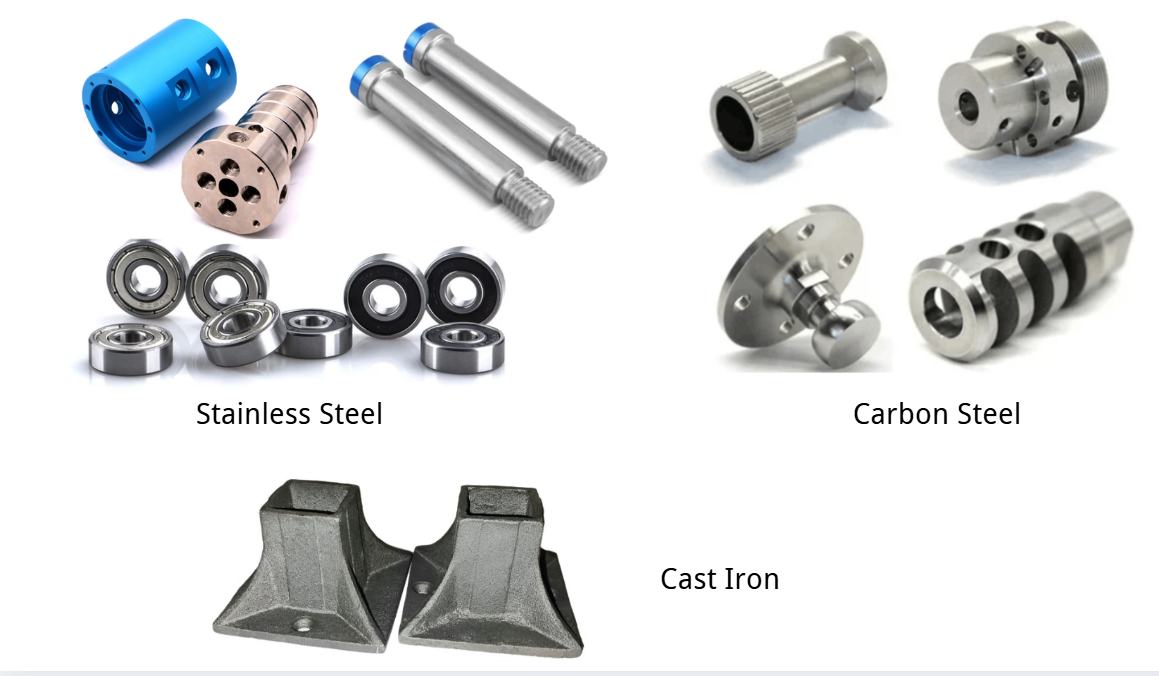

Carbon steel, stainless steel, and cast iron are all iron-based alloys, but their primary distinction lies in:
For a more detailed breakdown, you can refer to our specific comparisons: [Carbon vs. Stainless] and [Carbon vs. Cast Iron]. This article provides a comprehensive summary of all three to help you quickly make the best choice for your product design and production.
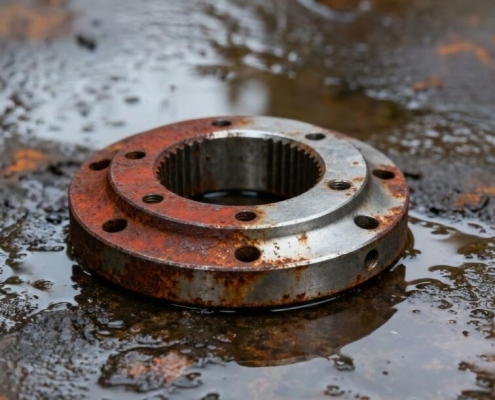
This no doubt stainless steel is the best as it must contain at least 10.5% Chromium. Corrosion-resistant element Nickel is also common in austenitic stainless steel 304. There are also expensive elements like molybdenum in other stainless steel’ types and grades.
| Material | Corrosion Resistance Level | Key Reason |
| Stainless Steel | Excellent | Contains 10.5%+ Chromium which forms a self-healing oxide layer. |
| Cast Iron | Moderate | The graphite flakes provide slightly better resistance than carbon steel, but it still rusts easily. |
| Carbon Steel | Poor | Lacks alloying elements to prevent oxidation; requires surface treatment to avoid rust. |
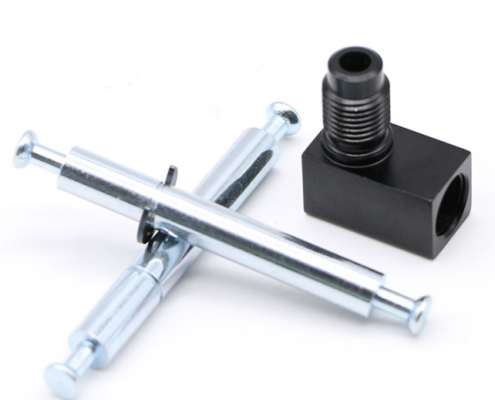
No matter the best corrosion resistant stainless steel or the most prone to rust carbon steel, they can be corrosion soon or later if you won’t apply surface treatment on them. Sometimes ignoring this will cause you much higher maintaining cost, or just products like your CNC machined stainless steel parts are rejected by your customers.
| Material | Recommended Finishes |
| Carbon Steel | Zinc plating, Chrome plating, Powder coating, Black oxide, or Painting (to prevent rust). |
| Stainless Steel | Electropolishing, Passivation, Brushing (Satin finish), or Bead blasting. |
| Cast Iron | Usually Powder coating or Painting due to its naturally rough/porous surface. |
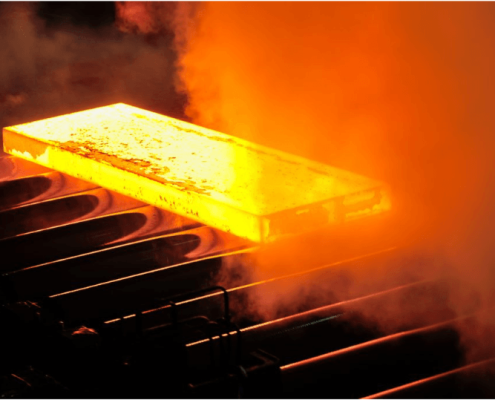
If you want the best strength that must be heat treatable steels like martensitic stainless steels or medium/high-carbon steels. These are strengths that can achieve twice or more for their annealed state after quenching and tempering (heat treatment).
Stainless steel only its austenitic stainless steel offering excellent ductility due to its FCC structure. While low carbon steel is also ductile in its annealed states, cast iron only achieves high compressive strength (great for heavy bases) but very low ductility. It is brittle and will crack rather than bend under extreme stress.
This depends on the alloy and your purpose strengthening it or not.
This also depends on metal grades.
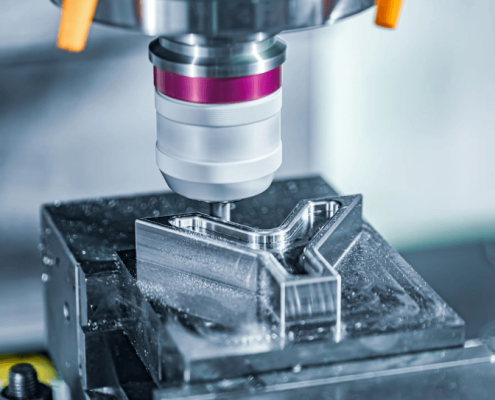
CNC machining is the most used process to make a metal become the parts you wanted.
This is actually based on your products performance, use environment, and budget. This blog can only provide basics for these three performance, cost, and manufacturing performance. But here we list a table of application examples of cast iron vs. stainless steel vs. carbon steel, you could find if there are parts that you are now looking for.
| Industry | Specific Parts | Stainless Steel | Carbon Steel | Cast Iron | Why? |
| Drones (UAVs) | Gimbal Pivots & Micro-bearings | Recommended | – | – | High precision and corrosion resistance without the need for heavy protective plating. |
| Motor Stators (Silicon Steel) | – | Recommended | – | High magnetic permeability is essential for efficient electromagnetic energy conversion. | |
| Electronics | Smartphone Frames & Foldable Hinges | Recommended | – | – | Provides superior structural rigidity in ultra-thin profiles with a premium metallic finish. |
| EMI Shielding & Internal Brackets | – | Recommended | – | Excellent electromagnetic interference (EMI) shielding properties at a very low production cost. | |
| Industrial Tech | Precision Testing Equipment Bases | – | – | Recommended | Vibration Damping: Cast iron “soaks up” micro-vibrations that would otherwise ruin sensor accuracy. |
| Medical & Food | Surgical Tools & Food Conveyors | Recommended | – | – | Non-porous surface that resists bacterial growth and stands up to harsh chemical sterilization. |
| Automotive | Engine Blocks & Brake Rotors | – | – | Recommended | Exceptional thermal stability and wear resistance under constant friction and heat cycles. |
| Chassis Members & Body Panels | – | Recommended | – | Ideal balance of tensile strength, ductility for safety crumple zones, and weldability. | |
| Heavy Machinery | Machine Tool Beds (CNC/Lathes) | – | – | Recommended | High compressive strength and internal graphite flakes provide the stability needed for heavy cutting. |
| Transmission Shafts & Gears | – | Recommended | – | High surface hardness after heat treatment allows for high-torque performance without snapping. | |
| Construction | Coastal Fixtures & Handrails | Recommended | – | – | Resists “tea staining” and pitting caused by salt air and high humidity. |
| Structural Beams (I-Beams) & Rebar | – | Recommended | – | The most cost-effective way to handle massive structural loads in dry or protected environments. | |
| Energy & Oil | Offshore Pipelines & Valve Bodies | Recommended | – | – | Critical for preventing catastrophic failure due to seawater corrosion or acidic chemical flows. |
| Household | Cookware | Recommended(Sinks) | Recommended(Knives) | Recommended(Skillets) | Stainless for hygiene/low maintenance; Cast Iron for superior heat retention (thermal mass);High carbon steel is hard after heat treatment. |
Still not sure which grade of carbon steel or stainless steel is right for your project? Contact VMT’s engineering team for a free consultation with 24 hours.
 WhatsApp/WeChat/Mobile:
+86-15099911516
WhatsApp/WeChat/Mobile:
+86-15099911516 Tel: 86-150-9991-1516
 QQ: 939020977
 E-Mail: service@vimetal.com.cn


How does the machinability of cast iron vs stainless steel vs carbon steel compare for CNC projects?
Carbon steel is the most machinist-friendly, offering high efficiency and tool life. Stainless steel requires slower speeds to prevent work-hardening, while cast iron produces abrasive dust but benefits from the natural lubrication of graphite flakes.
Is carbon steel stronger than cast iron for heavy-duty industrial components?
Yes, carbon steel generally has higher tensile strength and better ductility, making it resistant to impact, so it is more suitable for heavy-duty industrial components. Cast iron has superior compressive strength and vibration damping, making it good for machine bases but more prone to cracking.
Why choose cast iron vs carbon steel for heat retention properties in engineering?
Cast iron has higher thermal mass, allowing it to retain heat longer, which is vital for skillet. Carbon steel conducts heat more quickly and cools down faster, which is preferred for applications requiring rapid temperature changes.
Which has the best corrosion resistance in a comparison of cast iron vs carbon vs stainless?
Stainless steel is the winner due to its 10.5%+ chromium content which forms a protective layer. Both carbon steel and cast iron will rust very easily if left untreated, though cast iron’s surface oxidation is slightly slower than carbon steel’s.