Carbon Steel: Types, Properties and Uses
By Luca Xie | Jan .08, 2026
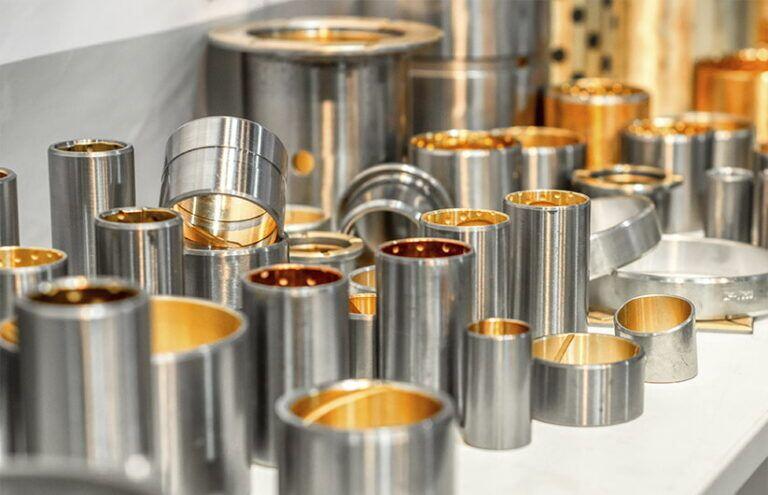

Many manufacturers struggle when their parts show cracking, warping, or inconsistent hardness after production. Choosing the right carbon content and grade in carbon steel material ensures your components maintain strength, durability, and dimensional stability. Understanding what is carbon steel helps you produce parts that meet tight tolerances and achieve reliable long-term performance.
Carbon Steel is a widely used metal known for its strength, durability, and versatility in engineering applications. This article covers carbon steel material, carbon steel grades, carbon steel composition, and their key properties. Learn how carbon steel vs stainless steel affects machining performance and manufacturing outcomes.
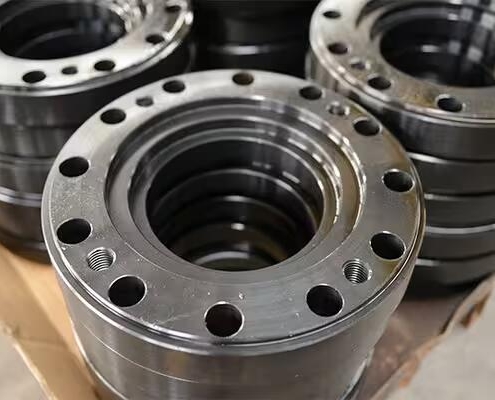
Carbon steel is a widely used metal known for strength, versatility, and ease of manufacturing. It contains carbon as the main alloying element. Carbon steel, also called plain carbon steel, is simple, versatile, and widely used in automotive parts, industrial machinery, and consumer products.
Carbon steel is generally classified into three main types: low-carbon steel, medium-carbon steel, and high carbon steel. In the following sections, we will explore each type in detail, including common grades and their equivalents in international material standards.

Low carbon steel offers excellent ductility and weldability, making it ideal for automotive panels, structural components, and consumer products. With carbon content below 0.25%, it is easy to form, bend, and machine. Parts maintain dimensional stability and resist cracking, suitable for smooth surfaces and complex shapes.
The following table lists common low-carbon steel grades and their equivalents in international material systems:
| Grade (AISI/SAE) | DIN (Germany) | JIS (Japan) | GB (China) | EN (Europe) |
| 1010 | C10 | S10C | 08F | DC01 |
| 1015 | C15 | S15C | 10F | DC03 |
| 1020 | C22 | S20C | 15F | DC04 |
| 1025 | C25 | S25C | 20F | DC05 |
| 1030 | C30 | S30C | 25F | DC06 |
Medium Carbon Steel balances strength and ductility, making it suitable for gears, shafts, and structural components requiring higher mechanical performance. With carbon content from 0.25% to 0.60%, it offers improved hardness and wear resistance. Parts perform well under moderate stress and can be machined, welded, and heat-treated with proper process control.
The following table shows common medium carbon steel grades and their equivalents in international material systems:
| Grade (AISI/SAE) | DIN (Germany) | JIS (Japan) | GB (China) | EN (Europe) |
| 1035 | C35 | S35C | 35 | C35 |
| 1040 | C40 | S40C | 40 | C40 |
| 1045 | C45 | S45C | 45 | C45 |
| 1050 | C50 | S50C | 50 | C50 |
| 1055 | C55 | S55C | 55 | C55 |
High Carbon Steel offers high strength and excellent wear resistance, making it suitable for cutting tools, springs, high-strength wires, and heavy-duty components. With carbon content from 0.60% to 1.0%, it provides greater hardness, requiring careful machining and controlled heat treatment. Parts endure high stress while maintaining dimensional stability.
The following table shows common high carbon steel grades and their equivalents in international material systems:
| Grade (AISI/SAE) | DIN (Germany) | JIS (Japan) | GB (China) | EN (Europe) |
| 1060 | C60 | S60C | 60 | C60 |
| 1070 | C70 | S70C | 70 | C70 |
| 1080 | C80 | S80C | 80 | C80 |
| 1090 | C90 | S90C | 90 | C90 |
| 1095 | C100 | S100C | 100 | C100 |
Carbon steel composition mainly consists of iron and carbon, with small amounts of manganese (0.3–0.8%) and silicon (0.1–0.3%). Carbon is the key element controlling hardness, strength, and ductility, typically ranging from 0.05% in low-carbon steel to 1.0% in high-carbon steel.
For example, low-carbon steels like 1015 and 1020 have minimal carbon and manganese, making them easy to form and weld. Medium-carbon steels such as 1045 contain higher carbon and manganese, giving better strength and wear resistance.
Carbon steel material properties define part performance, durability, and manufacturability. This chapter highlights key mechanical, physical, and processing characteristics that affect CNC machining, forming, and heat treatment.
Strength measures a part’s ability to withstand loads without deforming. Low-carbon steels (1010–1020) have tensile strength around 370–500 MPa, suitable for structural components and panels. Medium-carbon steels (1040–1050) reach 580–850 MPa, ideal for shafts and gears. High-carbon steels (1090–1095) exceed 900 MPa, offering wear resistance but reduced flexibility. Strength affects machining forces, forming limits, and long-term part reliability.
Hardness increases with carbon content and affects tool wear and surface finish. Low-carbon steels typically range 70–80 HRB, easy to machine and form. Medium-carbon steels range 150–250 HB, requiring stronger tooling. High-carbon steels can exceed 60 HRC, demanding precise cutting parameters and coolant control to avoid tool damage.
Ductility indicates a material’s ability to deform without breaking. Low-carbon steels elongate 20–30%, making them suitable for bending, stamping, and welding. Medium-carbon steels elongate 12–18%, balancing strength and formability. High-carbon steels elongate 8–12%, limiting forming options. Ductility directly impacts tolerance control and part shaping.
Corrosion resistance is generally low in plain carbon steel. Low-carbon grades are easier to protect with coatings or plating. Corrosion resistance affects maintenance, service life, and selection of protective processes.
Elasticity (Young’s modulus ~200 GPa) determines how parts return to shape under stress. Proper elasticity ensures shafts, springs, and structural components maintain dimensional accuracy during use and machining.
Thermal expansion (10–13 ×10⁻⁶ /°C) and thermal conductivity (40–60 W/m·K) affect heat treatment, welding distortion, and CNC machining stability. Understanding thermal behavior helps prevent warping and maintain tight tolerances.
This chapter explains how carbon steel performs in CNC machining, welding, forming, and heat treatment.
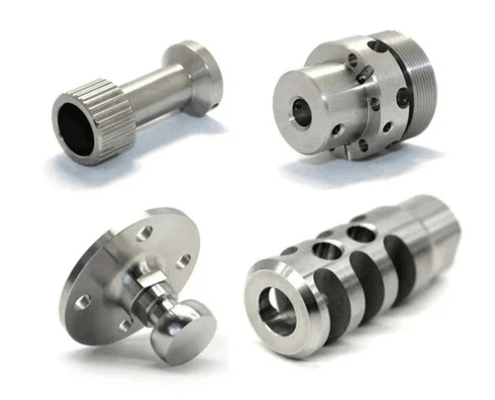
Based on VMT’s 15 years of manufacturing experience, CNC machining of carbon steel depends on hardness and carbon content. Low-carbon steels cut easily and produce smooth surfaces, while harder steels require stronger tooling, precise speed, and proper coolant control. Proper machining ensures dimensional accuracy and high-quality surface finish.
Weldability decreases as carbon content rises. Low-carbon steels can be welded without preheating using standard filler metals. Higher-carbon steels may require preheating or post-weld heat treatment to prevent cracking and maintain part integrity.
Formability reflects how easily parts can be shaped. Steels with lower carbon content bend, stamp, and deep-draw easily. Higher-carbon steels have limited forming ability and may need heating. Proper forming ensures consistent part geometry and tolerances.
Heat treatment adjusts hardness, strength, and wear resistance. Typical quenching temperatures for medium-carbon steels are 830–860°C, with tempering at 400–600°C to achieve desired hardness.
Carbon steel cost depends on material-specific and regional factors that directly affect manufacturing and performance. Key points include:
Below is a 2025 typical carbon steel price per pound (USD/lb) for common flat products like hot-rolled plate across major regions:
| Region | Carbon Steel Price per Pound (USD/lb) |
| China | 0.17 – 0.35 |
| USA | 0.41 – 0.61 |
| Europe (EU/UK) | 0.35 – 0.52 |
| India | 0.25 – 0.37 |
| Japan | ~0.34 |
Carbon steel is widely used across industries due to its strength, hardness, ductility, and cost-effectiveness. Below are typical industry applications:
Carbon steel offers a higher strength-to-cost ratio and is easier to machine at low carbon content. It can be heat treated to increase hardness, but its corrosion resistance is limited unless coated. Stainless steel, on the other hand, provides excellent corrosion resistance due to its chromium content, yet it is harder to machine and more expensive, often requiring specialized tooling and slower CNC speeds.
The table below compares typical properties of common carbon steel and stainless steel grades:
| Property | Carbon Steel (1018, 1045) | Stainless Steel (304, 316) |
| Carbon Content (%) | 0.18–0.45 | 0.03–0.08 |
| Tensile Strength (MPa) | 440–620 | 505–750 |
| Hardness (HB) | 120–170 | 150–200 |
| Machinability (%) | 65–75 (relative to B1112 steel) | 40–50 |
| Corrosion Resistance | Low (needs coating) | High (self-passivating) |
| Cost (USD/lb) | 0.17–0.35 | 1.5–3.0 |
| Typical Applications | Structural parts, automotive, machinery | Medical instruments, food equipment, chemical plants |
A German automotive supplier approached VMT with a challenge in producing precision suspension components from medium-carbon steel 1045. The parts required tolerances of ±0.02 mm, surface finish of Ra 0.8 µm, and consistent hardness of 220–250 HB across batches. Previous suppliers struggled with tool wear, dimensional inconsistencies, and surface defects, causing delays and increased scrap rates.
VMT applied its 15 years of CNC machining expertise to address these issues:
As a result, the client received all components on time, with dimensional accuracy maintained within ±0.02 mm, surface finish at Ra 0.8 µm, and hardness consistent between 220–250 HB across the batch. If you also want your CNC parts to achieve the same high-quality results, Contact VMT to get tailored solutions and free quote.
Carbon steel is a versatile material, ranging from low-carbon steels for forming and welding to high-carbon steels for hardness and wear resistance. Its properties, including strength, ductility, and thermal behavior, can be tailored through composition and heat treatment, making it suitable for structural, automotive, industrial, and consumer applications.
 WhatsApp/WeChat/Mobile:
+86-15099911516
WhatsApp/WeChat/Mobile:
+86-15099911516
 Tel: 86-150-9991-1516
 QQ: 939020977
 E-Mail: service@vimetal.com.cn


What is the Structure of Carbon Steel?
Carbon steel has a crystalline structure of iron (Fe) with varying carbon content. Low-carbon steels are mostly ferrite with some pearlite, while higher-carbon steels contain more pearlite and cementite, increasing hardness and strength.
How is Carbon Steel Recycled?
Carbon steel is fully recyclable. Scrap steel is melted in electric arc furnaces or blast furnaces and reformed into new products. Recycling reduces raw material demand and energy use while maintaining material properties, making carbon steel a sustainable choice.
Is Carbon Steel Non-Toxic?
Yes, carbon steel is generally non-toxic. It is widely used for cookware, kitchenware, and industrial equipment. Proper cleaning and maintenance prevent rust, ensuring it remains safe for food contact and general use.
Does Carbon Steel Rust?
Yes, carbon steel can rust because it lacks chromium to form a protective layer. Exposure to moisture and air causes oxidation, which can be prevented with coatings, oiling, or paint.
Is Carbon Steel Safe?
Carbon steel is safe for most applications, including structural, industrial, and kitchen use. Rust and contamination should be managed, but the material itself is stable, durable, and non-toxic.
Is Carbon Steel Magnetic?
Yes, carbon steel is magnetic because it contains iron, which is ferromagnetic. The magnetic properties remain unless alloying elements or heat treatment significantly alter the microstructure.


 Carbon Steel Price Per Pound: 2026 Market Guide and Pricing Factors