What is 1018 steel: the ultimate guide
By Luca Xie | Nov 27, 2025
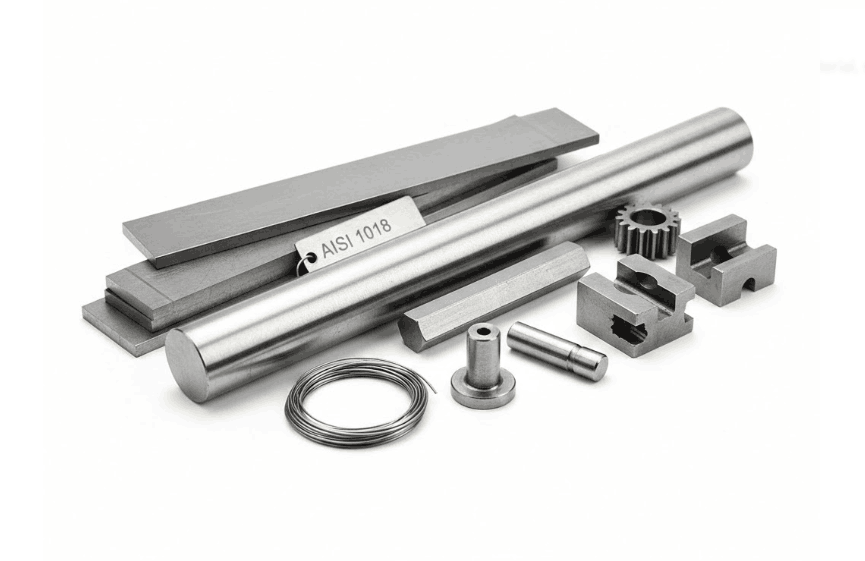

Selecting the wrong steel can lead to machining errors, wasted materials, and increased costs. Many engineers and CNC specialists underestimate 1018 steel, causing dimensional issues, surface defects, and delays in production.
1018 steel is a low carbon grade with balanced strength, ductility, and excellent machinability. Its 1018 steel composition contains about 0.18 percent carbon. It is widely used for gears, shafts, pins, and fixtures where consistent quality and tight tolerances are required.This guide helps you understand 1018 steel fully and avoid these common pitfalls.
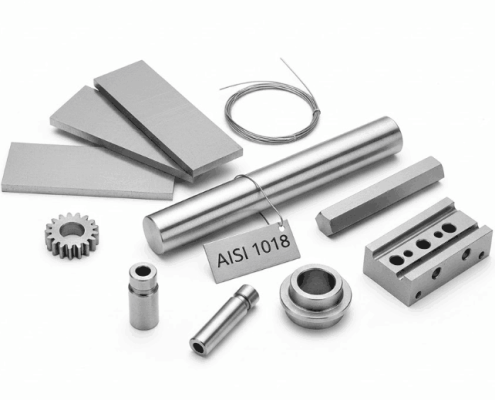
1018 steel is a low carbon steel widely used in CNC machining and manufacturing. Its chemical composition makes it a reliable choice for parts that need stable performance, predictable 1018 steel properties, and consistent dimensions.The AISI system defines it clearly as aisi 1018 steel, and its low alloy nature allows good formability, bending, and welding.
1.Excellent machinability: The low carbon content improves 1018 steel machinability, enabling precise turning, milling, and drilling.
2.Good formability: Easily bent or stamped without cracking.
3.Predictable mechanical behavior: Maintains tight tolerances during CNC operations.
4.Surface finishing: Achieves smooth finishes suitable for coatings and plating.
5.Versatile applications: Ideal for shafts, pins, fixtures, and automotive components.
6.Stable aisi 1018 steel properties: Reliable performance under moderate loads and repetitive manufacturing processes.
1.Lower strength: Less suitable for heavy-load applications compared to medium carbon steels like 1045 or 4140.
2.Limited corrosion resistance: Uncoated surfaces may rust in humid or corrosive environments.
3.Moderate hardness: Surface wear may require heat treatment or carburizing.
4.Not ideal for high-stress components: Requires additional surface treatment for demanding mechanical applications.
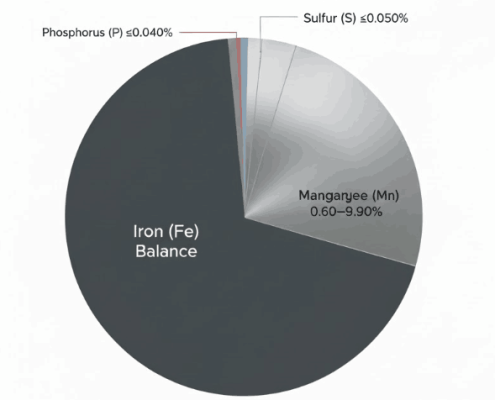
1018 steel mainly contains carbon, manganese, phosphorus, sulfur, and iron. Carbon ranges from 0.15 to 0.20 percent, giving it low carbon characteristics and moderate strength. Manganese is present at 0.60 to 0.90 percent, which improves tensile strength and hardness without reducing ductility. Phosphorus and sulfur are kept below 0.04 and 0.05 percent, respectively, to minimize brittleness. Iron makes up the balance of the alloy.
| Element | Percentage Range |
| Carbon (C) | 0.15–0.20% |
| Manganese (Mn) | 0.60–0.90% |
| Phosphorus (P) | ≤0.040% |
| Sulfur (S) | ≤0.050% |
| Iron (Fe) | Balance |
This section explains the key characteristics of 1018 steel. You will learn about its physical, mechanical, and electrical properties.
Physical properties of 1018 steel including density, melting point, coefficient of thermal expansion, and thermal conductivity. These properties affect part weight, dimensional stability, heat management, and overall performance during CNC machining.
Density is 7.87 g/cm³, which gives moderate mass and stiffness. This ensures fixtures hold parts securely and reduces vibration during high-precision milling and turning. Melting point is 1480 °C, allowing 1018 steel to tolerate high temperatures during cutting or welding without losing structural integrity. Coefficient of thermal expansion is 12.3 µm/m·°C, meaning parts expand predictably under heat, which helps maintain tight dimensional tolerances. Thermal conductivity is 51 W/m·K, allowing efficient heat dissipation during high-speed cutting, reducing tool wear and maintaining surface finish.
| Property | Value |
| Density | 7.87 g/cm³ |
| Melting Point | 1480 °C |
| Coefficient of Thermal Expansion | 12.3 µm/m·°C |
| Thermal Conductivity | 51 W/m·K |
Mechanical properties of 1018 steel include tensile strength, yield strength, modulus of elasticity, shear modulus, Poisson’s ratio, elongation, and hardness. These properties determine how the material behaves under load, how it can be formed, and how it responds to machining stresses.
Tensile strength is 440 MPa, providing moderate strength for CNC components like shafts, pins, and fixtures. Yield strength (steel 1018 yield strength) is 370 MPa, which ensures parts maintain shape under moderate load without permanent deformation. Modulus of elasticity is 205 GPa, giving the material predictable stiffness during bending or milling. Shear modulus is 80 GPa, supporting torsional loads in machined parts. Poisson’s ratio is 0.29, indicating how the material deforms laterally under stress. Elongation at break is 15 percent, allowing good ductility for forming and bending. Hardness values are 126 HB (Brinell) and 71 HRB (Rockwell B), making 1018 steel easy to machine while maintaining surface durability and wear resistance.
| Property | Metric |
| Tensile Strength | 440 MPa |
| Yield Strength | 370 MPa |
| Modulus of Elasticity | 205 GPa |
| Shear Modulus | 80 GPa |
| Poisson’s Ratio | 0.29 |
| Elongation at Break | 15% |
| Hardness, Brinell | 126 |
| Hardness, Rockwell B | 71 |
This section explains how 1018 steel behaves during manufacturing processes, including machining, weldability, and heat treatment. Understanding these characteristics helps engineers and CNC operators select proper cutting tools, optimize feeds and speeds, and achieve high-precision parts with minimal defects.
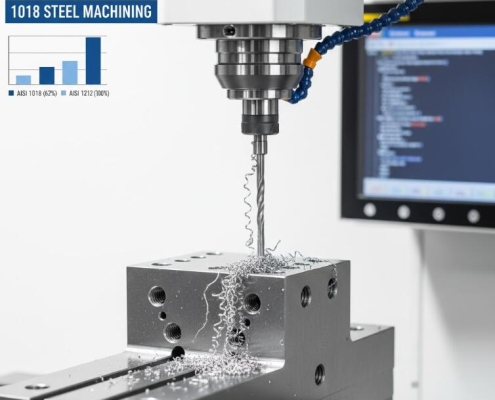
AISI 1018 carbon steel has a machinability rating of 62% compared to AISI 1212 carbon steel, which is a standard reference. This moderate machinability allows CNC operators to achieve fine surface finishes with continuous, manageable chips, reducing tool wear and improving efficiency. 1018 steel can be machined in various conditions, including dry, semi-dry, and with coolant, making it versatile for turning, milling, drilling, and other high-precision operations. Its predictable 1018 steel properties ensure tight tolerances, dimensional stability, and consistent results, even on complex or thin-walled components.
AISI 1018 carbon steel can be welded using most conventional methods, including gas welding, oxyacetylene, resistance, MIG, TIG, and submerged arc welding. Its low carbon content minimizes the risk of cracking and allows welds to maintain strength and ductility. This excellent weldability makes 1018 steel ideal for fabricated structures, fixtures, and assemblies that require precision and reliable mechanical performance.
1018 steel can undergo several heat treatment processes, including normalizing, forging, tempering, annealing, stress relieving, case hardening, core refining, and carburizing, to adjust ductility, toughness, and surface properties while maintaining dimensional stability during CNC machining.
Normalizing – Engineers heat 1018 steel to 890–940 °C and then allow it to cool in still air. This process refines the grain structure, improves mechanical uniformity, and enhances dimensional stability, making CNC machined parts more predictable during high-precision milling and turning operations.
Forging – Engineers heat 1018 steel to 1150–1280 °C, hold it until the temperature is stable, with 900 °C as the minimum requirement, and then cool it in air. This process allows complex shapes to be formed without cracking and ensures consistent mechanical properties during CNC milling, turning, and drilling.
Tempering – Engineers temper 1018 steel at 150–200 °C. This process improves case toughness and reduces grinding cracks, while having minimal effect on hardness, allowing safer and more accurate CNC milling, drilling, and turning operations.
Annealing – Engineers heat 1018 steel to 870–910 °C and allow it to cool in a furnace. Annealing softens the material, improves ductility, and enhances formability, which facilitates bending, forming, and CNC milling with reduced risk of cracking.
Stress Relieving – Engineers heat 1018 steel to 500–700 °C and cool it in still air. This process relieves residual stress, preventing part distortion and ensuring dimensional accuracy during CNC machining operations.
Case Hardening – Engineers heat 1018 steel to 780–820 °C and quench it in water. This process produces a wear-resistant surface while maintaining a ductile core, ideal for CNC machined fixtures, gears, pins, and other components requiring high surface durability.
Core Refining (Optional) – Engineers heat 1018 steel to 880–920 °C and quench it in oil or water. This optional process improves internal uniformity, providing consistent mechanical properties for demanding CNC milling and turning operations.
Carburizing – Engineers heat 1018 steel to 880–920 °C to increase surface carbon. Carburizing enhances surface hardness and wear resistance, making the steel suitable for bending, crimping, swaging, gears, pins, dowels, mounting plates, and tool holders in CNC machined assemblies.
| Heat Treatment Process | Temperature Range (°C) |
| Normalizing | 890–940 |
| Forging | 1150–1280 |
| Tempering | 150–200 |
| Annealing | 870–910 |
| Stress Relieving | 500–700 |
| Case Hardening | 780–820 |
| Core Refining | 880–920 |
| Carburizing | 880–920 |
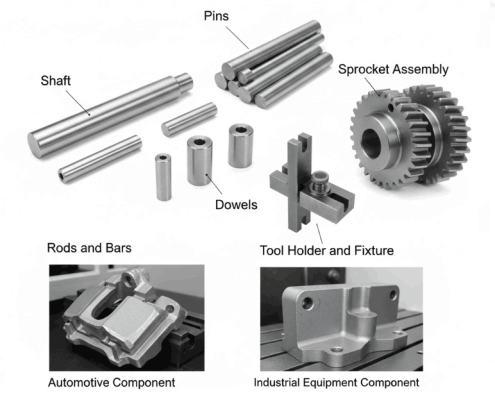
1018 steel is widely used in CNC machining for high-volume precision parts due to its excellent machinability, ductility, and predictable mechanical properties. Engineers often select this low carbon steel for components that require tight tolerances, smooth finishes, and reliable performance. Common applications include:
While this steel is known as 1018 steel in the USA, it is referred to differently in other countries. Common 1018 Steel Equivalent Steels include:
| Country | Equivalent Steel Name |
| China | 15 # |
| European Union | C15E (1.1141) |
| Germany | 1.0401, C15, CK15 |
| France | XC15 |
| United Kingdom | 080M15 |
| Japan | S15C |
The price of 1018 steel depends on market conditions, order quantity, and form, such as rods, bars, or sheets. On average, AISI 1018 steel costs around $0.90 to $1.50 per pound, while larger volume orders may reduce the price.
Compared with other low carbon steels, 1018 mild steel is cost-effective due to its wide availability and stable performance. Prices vary slightly internationally: AISI 1020 steel may be slightly higher due to increased carbon content, while European equivalents like C15E or German 1.0401 often cost similarly when factoring import fees.
Typical Price of 1018 Steel by Form
| Form | Typical Price Range (USD per pound) |
| Rods | 0.90–1.40 |
| Bars | 1.00–1.50 |
| Sheets | 0.95–1.45 |
Typical Price of 1018 Steel by Region
| Region | Typical Price (USD per pound) |
| China | 0.80–1.35 |
| North America | 0.90–1.50 |
| Europe | 1.00–1.55 |
| Australia | 1.05–1.60 |
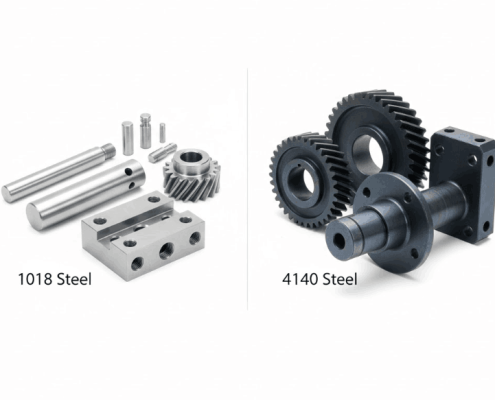
When selecting steel for CNC machining, understanding the differences between 1018 steel and 4140 steel is crucial. 1018 steel is a low carbon mild steel, providing excellent machinability, ductility, and predictable dimensional stability. It machines easily with standard tools, producing smooth finishes for non-critical components such as shafts, pins, and fixtures.
In contrast, 4140 steel is a low alloy medium carbon steel with higher carbon content and strength. It offers higher tensile and yield strength, making it suitable for load-bearing parts, but requires slower cutting speeds and specialized tooling. 4140 steel can also be heat-treated to achieve higher surface hardness, useful for gears and shafts, while 1018 steel remains ideal for components requiring easy CNC milling, turning, and drilling with consistent tolerances.
| Property / Dimension | 1018 Steel | 4140 Steel |
| Carbon Content | 0.18% | 0.38–0.43% |
| Tensile Strength | 440 MPa | 655–895 MPa |
| Yield Strength | 370 MPa | 415–655 MPa |
| Hardness, Brinell | 126 | 197–241 |
| Machinability | Good | Moderate |
| Typical CNC Applications | Shafts, pins, fixtures, rods | Gears, load-bearing shafts, high-strength components |
| Price (USD per pound) | 0.90–1.50 | 1.20–2.00 |
1018 steel is a low carbon mild steel with excellent machinability, predictable 1018 steel properties, and smooth finish capability, ideal for precision CNC milling, turning, and drilling.
A36 steel is a structural low carbon steel, primarily used in construction and heavy equipment. It offers moderate strength and good weldability but has lower machinability compared to 1018 steel. A36 is suitable for large structural components where dimensional precision is less critical.
| Property / Dimension | 1018 Steel | A36 Steel |
| Carbon Content | 0.18% | 0.25–0.29% |
| Tensile Strength | 440 MPa | 400–550 MPa |
| Yield Strength | 370 MPa | 250 MPa |
| Hardness, Brinell | 126 | 119 |
| Machinability | Good | Fair |
| Typical CNC Applications | Shafts, pins, rods, fixtures | Structural brackets, frames, plates |
| Price (USD per pound) | 0.90–1.50 | 0.80–1.30 |
A European automation equipment manufacturer approached VMT with a challenge. They required high-precision 1018 steel shafts and pins for CNC milling and turning, with tolerances within 0.01 mm and smooth surface finishes. Previous suppliers failed to deliver consistent 1018 steel properties, causing alignment issues and delays.
VMT tackled the challenge through a structured process. First, our engineers performed CNC milling of complex shaft geometries, ensuring tolerances of ±0.01 mm. Next, CNC turning was applied to pins to achieve the required 1018 steel hardness Rockwell B. Precision surface finishing was carried out using grinding to maintain smooth finishes essential for assembly. Finally, on-site inspection using CPK ≥1.68 guaranteed repeatable quality across all parts.
This expert approach allowed VMT to deliver hundreds of shafts and pins on schedule. The client reported zero alignment failures and a noticeable reduction in assembly time.If you encounter any challenges when machining 1018 steel, contact our chief engineer immediately for free customized solutions and quotes!
1018 steel is a versatile low carbon mild steel with excellent machinability, predictable 1018 steel properties, and stable dimensional performance. Understanding its chemical composition, mechanical characteristics, and heat treatment options is essential for CNC milling, turning, and drilling. For custom 1018 steel parts with high-precision CNC machining, Upload your drawings now to receive a free quote and expert support for VMT’s 1018 Steel CNC precision machining.
 WhatsApp/WeChat/Mobile:
+86-15099911516
WhatsApp/WeChat/Mobile:
+86-15099911516
 Tel: 86-150-9991-1516
 QQ: 939020977
 E-Mail: service@vimetal.com.cn


Why is it called 1018 steel?
It is called 1018 steel based on the AISI designation system. The “10” indicates a plain carbon steel, and “18” represents approximately 0.18% carbon content.
Will 1018 steel rust?
Yes, 1018 mild steel is susceptible to corrosion if left unprotected. Applying coatings, plating, or painting can prevent rust. Proper storage, lubrication, and surface treatments are essential, especially in humid or corrosive environments.
Will manufacturing 1018 CNC parts in China offer advantages?
Yes. Producing 1018 CNC steel parts in China benefits from lower material and labor costs. low‑carbon mild steel typically costs USD 0.6–0.8 per kg. With advanced multi-axis CNC centers, skilled engineers, and tight tolerance control, Chinese manufacturers like VMT deliver high-precision, well-finished parts at much lower total cost than Western Europe or North America.

 904L vs 316L stainless steel:Which is Better