What Is Galvanized Steel: Process, Benefits and Uses
By Luca Xie | Nov 06, 2025


Tired of metal parts corroding too soon? Frustrated by constant replacements and rising costs? You need a material that lasts longer, performs stronger, and is easy to machine. Galvanized steel gives you exactly that—exceptional corrosion resistance, durability, and precision, making it ideal for industrial and CNC machining applications.
What Is Galvanized Steel? This article explains how galvanized steel is carbon steel coated with zinc to resist corrosion, its key galvanized steel process, and the benefits and uses of this versatile material. You’ll learn why it’s widely used in automotive, construction, optical, and industrial manufacturing, and how galvanized steel parts machining delivers reliable, long-lasting performance.
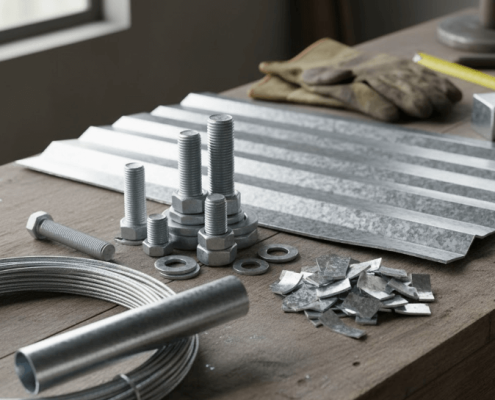
Galvanized steel refers to steel that has undergone a protective zinc coating process designed to prevent corrosion. The coating acts as a barrier between the environment and the base metal, offering both chemical and physical resistance.
In simple terms, when steel is exposed to moisture or air, it tends to rust. The galvanized steel process forms a protective layer that prevents oxygen and water from reaching the steel surface. This is what gives galvanized steel its long-lasting durability and high resistance to wear.
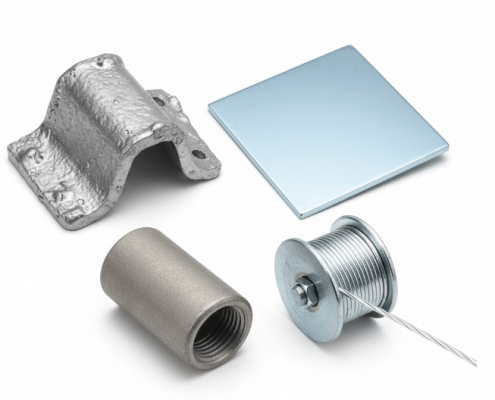
The process for manufacturing galvanized steel determines how the zinc coating is applied and directly influences the material’s durability, corrosion resistance, and surface quality. Professional galvanized steel manufacturers typically adopt one of four key galvanized steel processes:Hot Dip Galvanized, Electro Galvanized, Galvannealed, and Pre Galvanized.
| Process Type | Process Description | Key Features |
|---|---|---|
| Hot Dip Galvanized | Immersion of steel into molten zinc at about 450°C, forming a strong zinc-iron alloy layer. | Excellent corrosion resistance, thick coating |
| Electro Galvanized | Zinc applied through an electrochemical process, creating a thin and uniform coating. | Smooth finish, high machinability, aesthetic appeal |
| Galvannealed | Galvanized steel reheated to allow zinc-iron diffusion, producing a matte and paintable surface. | Superior paint adhesion, weldable, uniform texture |
| Pre Galvanized | Zinc coating applied to steel sheets or coils before fabrication. | Economical, consistent coverage |
The hot dip galvanized process involves immersing clean steel into a bath of molten zinc heated to around 450°C. This chemical reaction forms a tightly bonded zinc-iron alloy coating that provides exceptional protection against corrosion and environmental wear. Because of its robust surface and longevity, hot dip galvanizing is widely chosen for outdoor structures, industrial machinery, and galvanized steel parts machining that require long service life and high durability. It’s a preferred option when resistance to humidity, saltwater, or abrasion is a top priority.
Electro Galvanized
In the electro galvanized process, zinc is applied using an electrochemical current that creates an evenly distributed coating across the steel’s surface. Unlike hot dipping, this process yields a thinner yet very smooth and precise layer, offering superior machinability and visual appeal. The refined finish and consistent thickness make electro galvanized steel ideal for CNC machining parts used in automotive interiors, optical devices, and precision electronic housings. Manufacturers often choose it for components requiring tight tolerances, clean surfaces, and additional post-processing like painting or coating.
The galvannealed process combines galvanizing and annealing into a single controlled heating stage. After the steel is galvanized, it is reheated to enable zinc and iron diffusion, forming a dense, matte alloy layer. This surface not only enhances corrosion protection but also provides excellent paint adhesion and weldability—two qualities essential in automotive and appliance manufacturing. For CNC machining applications, galvannealed steel ensures dimensional stability, surface uniformity, and coating hardness, allowing for easy forming, drilling, or welding during fabrication.
Pre galvanized steel is produced by coating the material before it undergoes cutting or forming. The zinc layer is applied to steel coils or sheets, ensuring uniform coverage across large volumes while keeping production cost-efficient. Although the coating is thinner than that of hot dip galvanized steel, pre galvanized material offers reliable corrosion resistance and a smooth, aesthetic finish. It is commonly used in enclosures, brackets, tubes, and CNC sheet metal parts that balance appearance with economic manufacturing. This process is particularly advantageous for large-scale galvanized steel parts machining where speed, consistency, and cost optimization are key.
Understanding the main advantages of galvanized steel will help you understand the core strengths of this material and its practical applications.
| Benefit | Description |
| Corrosion Resistance | The zinc coating prevents rust in harsh conditions |
| Durability | Long service life with minimal maintenance |
| Cost Efficiency | Lower lifecycle cost than painting or plating alternatives |
| Machinability | Compatible with milling, drilling, and turning operations |
| Aesthetic Finish | Smooth metallic appearance suitable for visible components |
The primary advantage you get from galvanized steel is robust corrosion resistance. The zinc layer acts as a sacrificial barrier that corrodes in place of the steel, keeping structural integrity intact even in wet, salty, or industrial atmospheres. For outdoor structures, marine fittings, or equipment that sees frequent exposure to moisture, this protection drastically reduces rust-related failures and extends service intervals.
When you choose galvanized steel, you choose long-term performance. The metallurgical bond formed in processes like hot dip galvanized produces a hard, adherent coating that resists abrasion and mechanical wear. That durability means fewer replacements, less downtime, and predictable product lifecycles for components used in construction, heavy machinery, and industrial fixtures.
From a total-cost-of-ownership perspective, galvanized steel benefits include significantly lower lifecycle costs compared with periodic painting or the use of higher-priced corrosion alloys. Initial coating costs are typically recouped through reduced maintenance, fewer recoats, and longer intervals between part replacement. For project budgets and procurement planning, galvanized solutions often deliver the best balance of upfront expense and long-term value.
You will find galvanized steel to be highly compatible with modern manufacturing techniques. Its surface finish and coating uniformity make it suitable for precision CNC machining, including milling, turning, and drilling. With proper tooling and coolant strategies, you can hold tight tolerances and achieve repeatable dimensions, making galvanized parts ideal for functional prototypes and production components that require post-coating machining or secondary operations.
Beyond performance, galvanized steel provides a clean, metallic appearance that suits visible components and architectural elements. The uniform zinc layer accepts secondary finishes such as powder coating, painting, or laser marking, enabling you to combine corrosion protection with branded aesthetics. This versatility makes galvanized parts a practical choice when you need both form and function.
This material has a wide range of applications across industries such as automotive, construction, industrial machinery, optical technology, and medical equipment.
| Industry | Example Applications |
| Automotive | Chassis, brackets, exhaust systems, structural components |
| Construction | Roofing, beams, frames, outdoor equipment, railings |
| Industrial / CNC Equipment | Machine guards, jigs, fixtures, enclosures |
| Optical / Electronic Devices | Housings, precision frames, casings |
| Medical / Laboratory Equipment | Instrument housings, safety brackets, cleanroom fixtures |
In the automotive industry, galvanized steel is widely used for chassis, brackets, exhaust systems, and other structural components. The hot dip galvanized or electro galvanized coatings provide superior corrosion protection while maintaining high precision, making these parts ideal for CNC machining and ensuring long-term vehicle durability.
Construction projects rely heavily on galvanized steel for beams, roofing, frames, outdoor equipment, and railings. Its corrosion resistance and structural integrity allow buildings and infrastructure to withstand weather and environmental stress. Pre-fabricated pre galvanized sheets and parts also streamline assembly and reduce installation costs.
Industrial machinery and CNC equipment benefit from galvanized steel parts machining because the material offers both machinability and surface protection. Machine guards, jigs, fixtures, and enclosures produced from galvanized steel maintain dimensional accuracy while resisting rust and wear, ensuring reliable performance in harsh factory conditions.
In optical and electronic applications, electro galvanized steel provides smooth surfaces, precise dimensions, and excellent machinability. Housings, precision frames, and casings made from galvanized steel protect sensitive components, improve durability, and enable secondary operations such as painting, coating, or laser marking.
Medical and laboratory environments require materials that are both clean and long-lasting. Galvanized steel is used for instrument housings, safety brackets, and cleanroom fixtures, offering corrosion resistance and smooth surfaces. Its compatibility with CNC machining ensures that parts meet tight tolerances and strict regulatory standards.
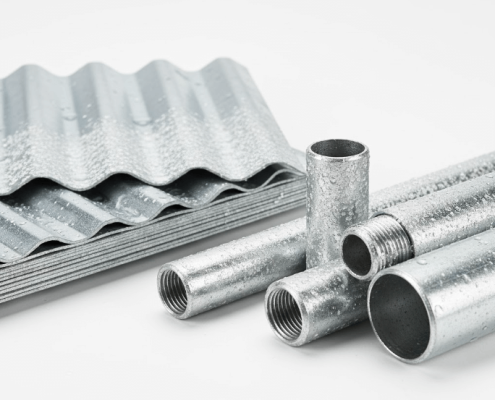
Although galvanized steel is highly resistant to corrosion, it can occasionally develop minor surface oxidation, commonly known as “white rust,” especially when stored in humid or damp conditions. This is not a structural failure but a superficial reaction between moisture and the zinc coating. Understanding this potential issue helps you take preventive measures and ensures that your galvanized steel parts machining or industrial components maintain their protective qualities throughout storage and handling.
To maintain the longevity and performance of galvanized steel, it is important to follow proper care practices. Always store parts in dry, well-ventilated areas, avoiding prolonged exposure to moisture or acidic substances that can accelerate coating degradation. For long-term storage, applying a thin layer of mild oil can provide additional protection against oxidation. By following these steps, you ensure that your galvanized steel retains its corrosion resistance, surface quality, and machinability, supporting decades of reliable use across automotive, construction, industrial, and precision CNC applications.
VMT offers professional galvanized steel manufacturer services with precision CNC machining. Our Shenzhen facility has over 100 machines, including 4-axis and 5-axis centers, ensuring galvanized steel parts machining with tight tolerances and high-quality surface finishes. We optimize designs for machinability and strength, maintain strict quality control, and provide fast prototyping and small-batch production. Contact us today to get a free quote.
Galvanized steel offers a unique combination of strength, corrosion resistance, cost efficiency, and excellent machinability. Its versatile galvanized steel process and finishes make it suitable for a wide range of applications, from automotive and construction to industrial, optical, and medical CNC machining parts. With proper selection and maintenance, galvanized steel delivers long-lasting performance, aesthetic appeal, and reliable protection in diverse environments.
Is galvanized steel more expensive than regular steel?
Galvanized steel has a slightly higher upfront cost than plain carbon steel due to the zinc coating. However, its long service life, low maintenance, and CNC machinability make it more cost-effective over time, reducing replacement and lifecycle expenses.
What is the downside of galvanized steel?
The main downside of galvanized steel is that once the zinc coating is damaged, the exposed steel can rust quickly. It’s also difficult to weld or paint without proper surface preparation. Additionally, galvanized steel may not be suitable for high-temperature environments, as heat can degrade the protective zinc layer over time.
Is Galvanized Steel Sustainable and Recyclable?
Yes. Galvanized steel is 100% recyclable. The zinc coating does not compromise recyclability; both the steel and zinc can be reused multiple times without quality loss. Its long service life also reduces environmental impact by minimizing replacement frequency and material waste.
Can galvanized steel be painted or coated?
Yes, galvanized steel can be painted or powder-coated. The zinc layer provides corrosion protection while allowing secondary finishes. Surface preparation ensures adhesion, and this combination enhances durability, aesthetic appeal, and performance in automotive, architectural, and CNC machining applications


 Aluminum Vs Steel: Key Differences in cnc machining