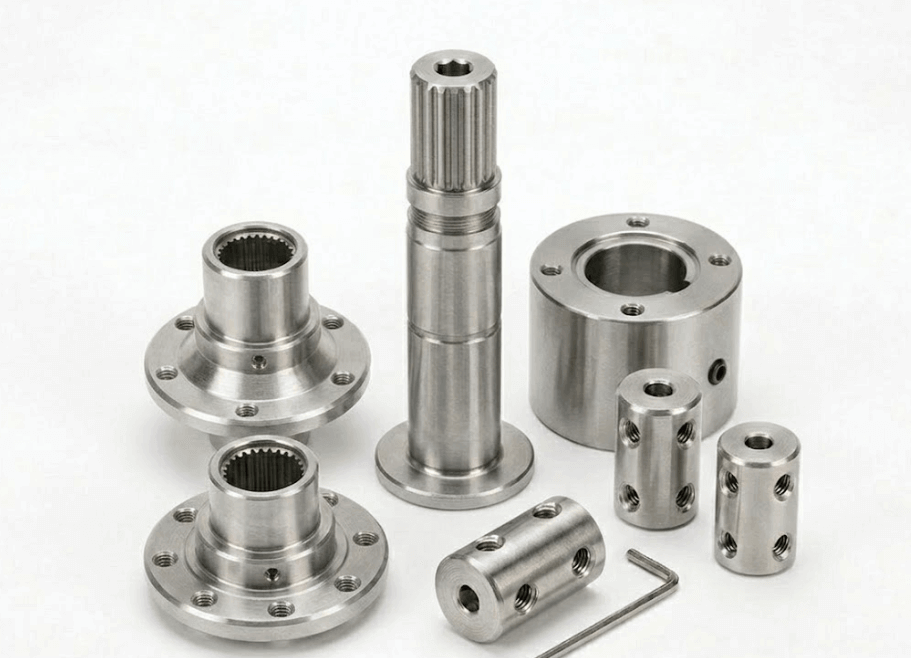
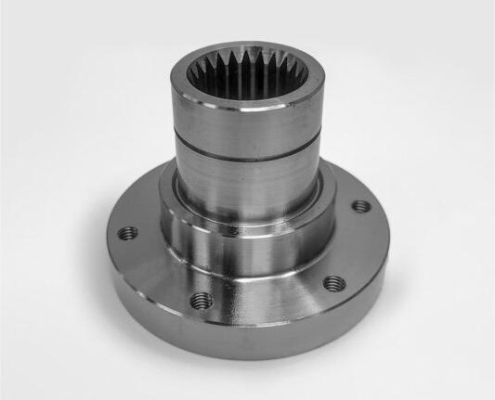
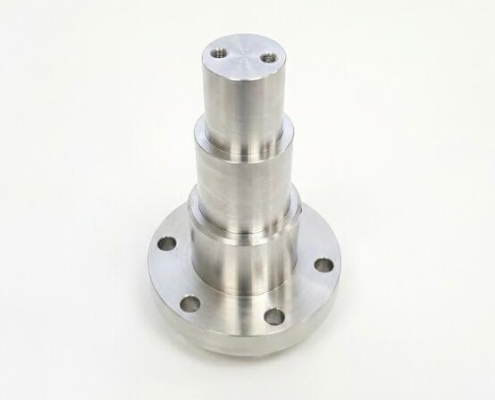
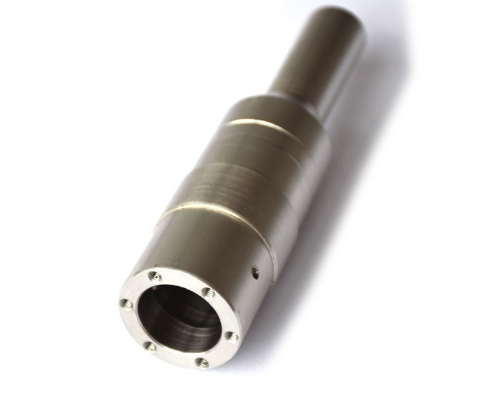
How do you maintain geometric stability during and after spline machining?
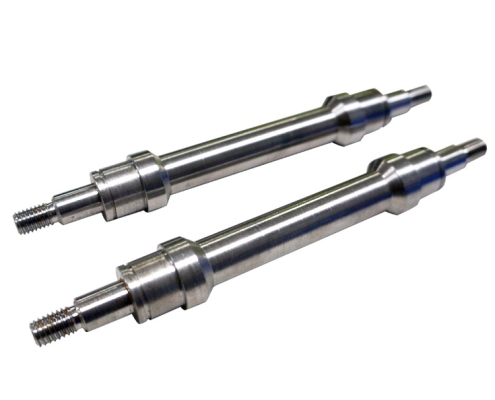
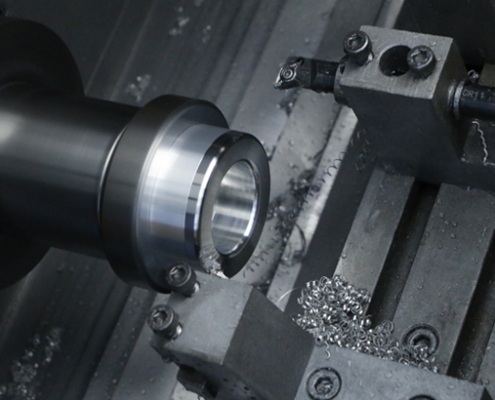
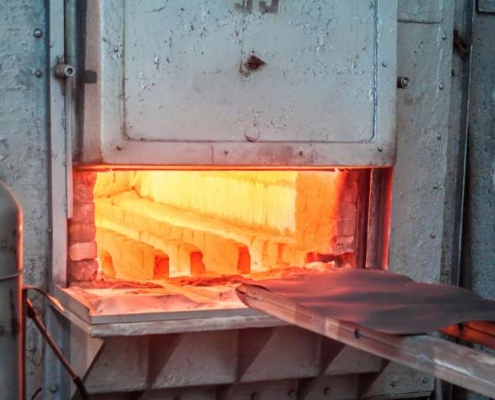
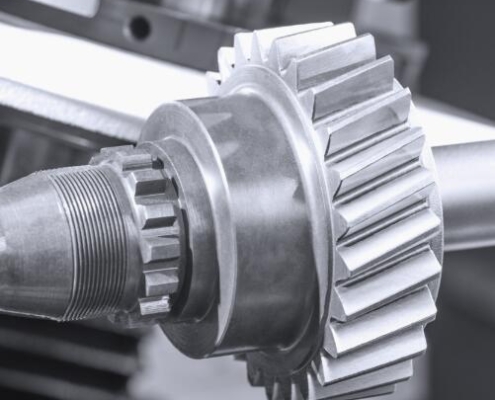
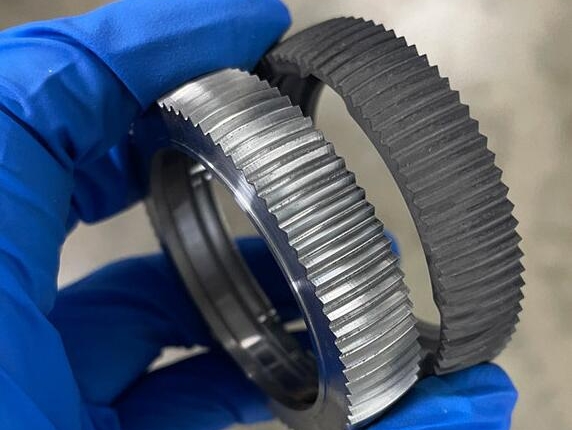
To maintain geometric stability during and after the machining of critical splines, we implement a stress-aware process planning strategy. We verify that all high-tensile alloys, such as AISI 4340, are in the appropriate quenched and tempered condition before the CNC machining service begins. This ensures that internal stresses are managed, helping to minimize material distortion when significant volumes of metal are removed during the spline-cutting process.
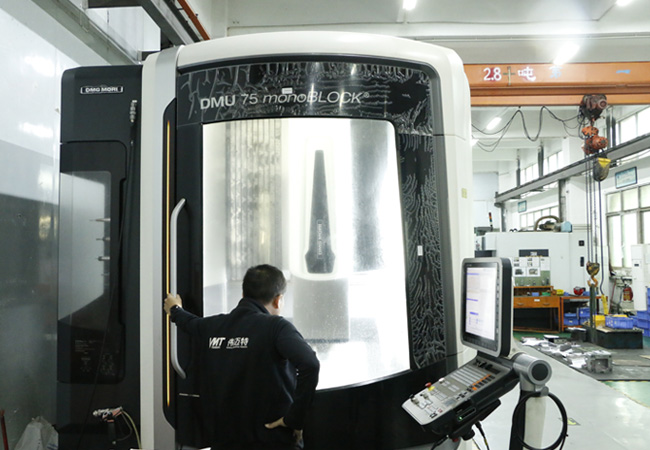
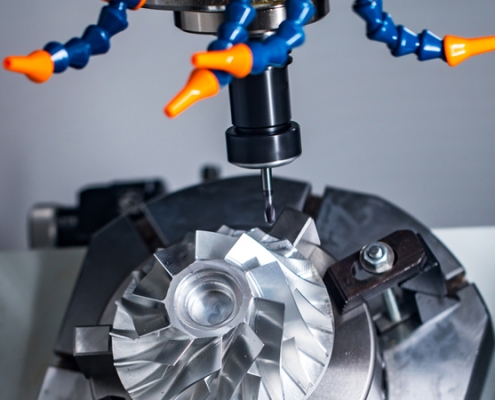
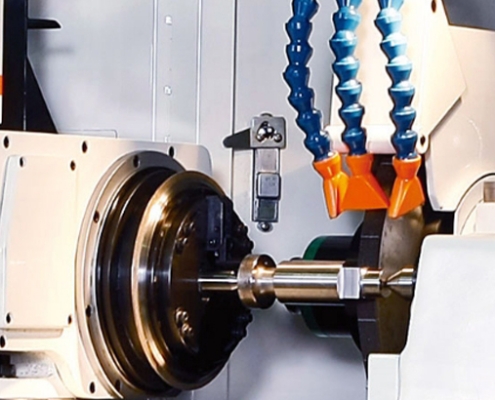
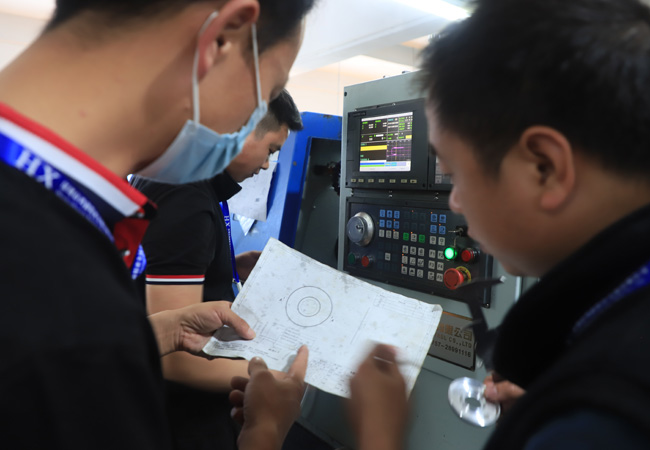
During machining, we utilize rigid, customized mandrels and hydraulic workholding to provide uniform support along the component’s length, which helps reduce chatter and deflection. By employing optimized tool paths and controlled chip loads, we manage heat generation to prevent localized thermal expansion. Following the machining phase, we conduct dimensional verification. If secondary treatments like nitriding are specified, we coordinate with qualified partners to ensure post-process inspections are performed, supporting compliance with the strict coaxiality and symmetry requirements of high-performance drivetrain systems.
How do you ensure fatigue resistance in automotive drive shaft components?
To support the fatigue resistance of automotive drive shaft components, we focus on a combination of material verification, stress-management during cutting, and controlled surface finishing. We begin by selecting high-cleanliness alloys, such as AISI 4340, which provide the core toughness required to withstand high-torque cyclic loading.
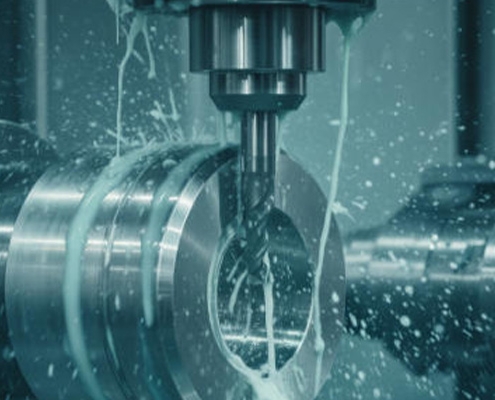
During the CNC machining service, we prioritize the management of surface integrity. Our engineers carefully control cutting parameters to avoid excessive tensile residual stresses at the surface, which is critical for preventing crack initiation. We maintain surface roughness targets according to drawing requirements, specifically on transition radii and fillet areas, to minimize localized stress concentrations. If required by the design, we coordinate with specialized partners for shot peening to introduce beneficial compressive residual stresses. Finally, we verify that any specified hardening processes are performed to standard, supporting the long-term structural durability of the custom cnc machining parts under demanding operational conditions.
How do you verify splines on automotive drive shaft components?
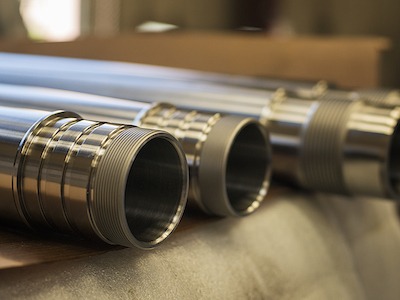
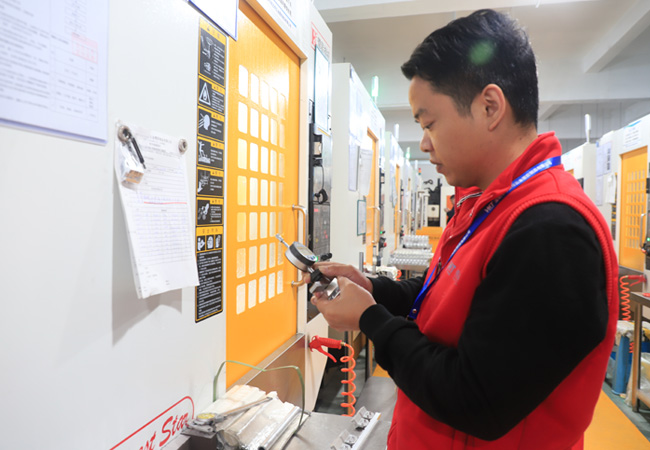
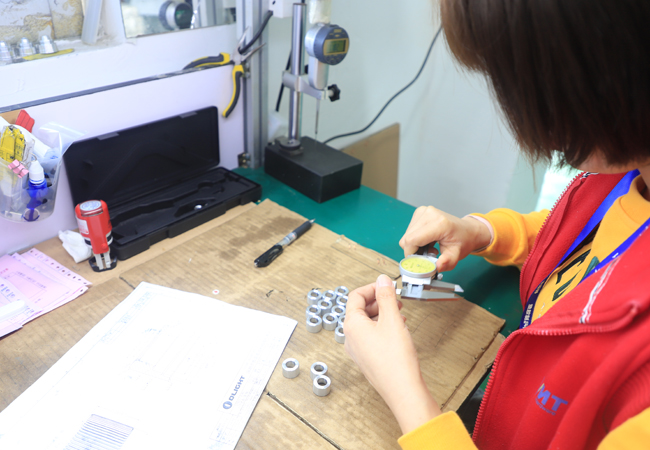
Verifying the accuracy of internal and external splines is critical to ensuring reliable torque transmission in automotive drive shaft components. Our verification process focuses on dimensional precision and geometric alignment to support the functional requirements of the custom cnc machining interface. We utilize high-precision “Go/No-Go” spline gauges to verify effective space width or tooth thickness, ensuring compliance with specified fit classes (such as sliding, transitional, or interference fits) required for the assembly.
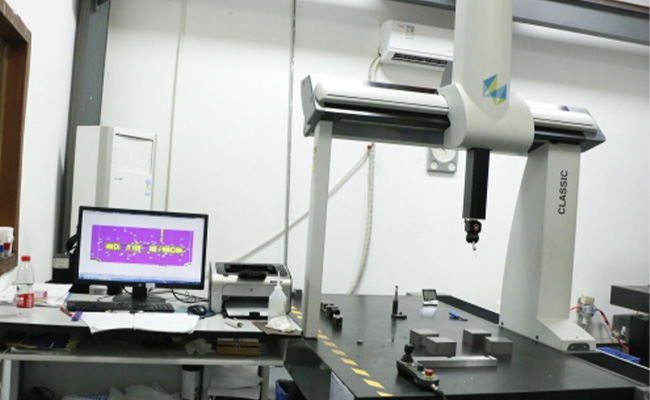
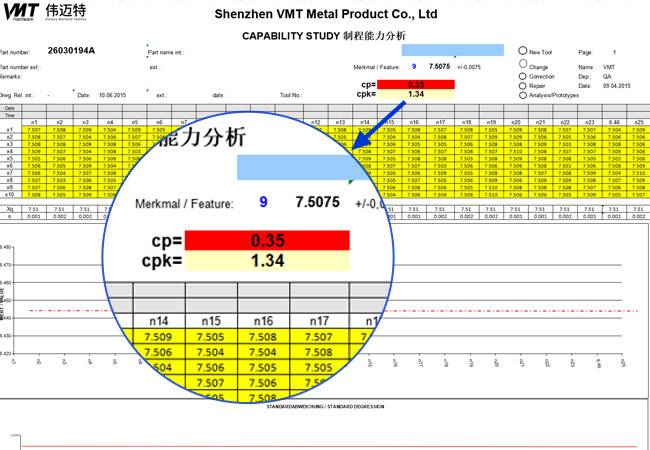
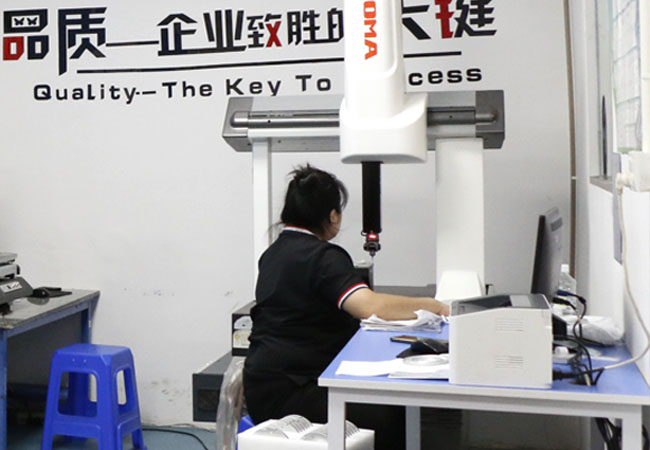
For comprehensive validation, we employ Coordinate Measuring Machines (CMM) to inspect critical alignment features, including the spline’s position relative to the shaft centerline and the concentricity of bearing journals. We monitor the over-pin (or between-pin) diameter using precision micrometers and pins to verify consistent tooth proportions and thickness across the spline’s length. By maintaining surface roughness targets according to drawing requirements and performing thorough visual inspections for machining-induced defects, we ensure the spline geometry supports even load distribution. All inspection data is documented to confirm that the final automotive drive shaft components align with the specified standards, such as DIN or ANSI, as required by the customer’s engineering specifications.