Aluminum Vs Steel: Key Differences in cnc machining
By Luca Xie | Nov 07, 2025
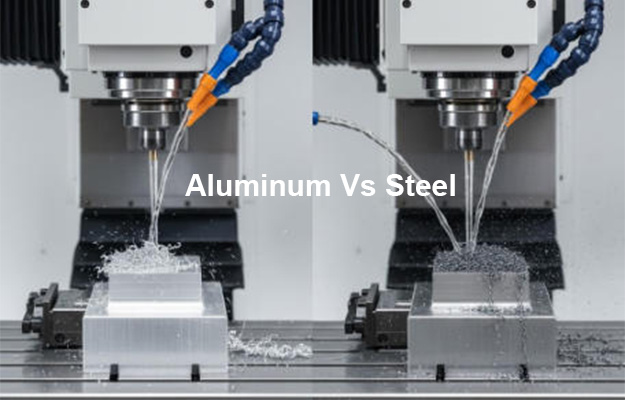

Choosing between aluminum and steel for CNC machining often causes confusion. Pick the wrong material, and you risk higher costs, machining challenges, or poor performance. Aluminum offers light weight and easy machining, while steel delivers superior strength and durability. Knowing which fits your application is the key to success.
Aluminum offers a lightweight, corrosion-resistant, and easy to machining solution for many CNC projects,while steel is stronger, more durable, and better suited for high-stress applications. This guide compares their differences in weight, strength, thermal performance, corrosion resistance, cost, and sustainability to help you choose the right material for your CNC project.
Both materials are highly versatile, but their differences in properties will determine the best choice for your project. Whether you’re working in aerospace, automotive, or medical industries, knowing when to use aluminum or steel can make a significant difference in the success of your product.
Aluminum’s lighter weight is one of its most significant advantages over steel. With a density of aluminum metal of about 2.7 g/cm³, it is much lighter than steel, which has a density of 7.85 g/cm³. This difference in density means that aluminum is a preferred material when weight is a key concern, such as in the aerospace, automotive, and sports equipment industries. Reducing the overall weight of a product can improve fuel efficiency, performance, and even reduce transportation costs.
Steel, being much denser and heavier, is often the material of choice for applications where strength is more important than weight. However, the increased weight of steel can be a disadvantage in applications where weight reduction is critical, such as in aircraft or electric vehicles.
In terms of strength, steel far surpasses aluminum. Steel is known for its ability to handle higher stress and pressure. With tensile strengths reaching up to 2000 MPa, steel is the material of choice for heavy-duty applications such as structural components and load-bearing parts in industries like automotive and construction. Steel’s superior strength makes it indispensable for parts that must withstand extreme conditions.
While aluminum is not as strong as steel, it offers an excellent strength-to-weight ratio. This makes aluminum the ideal choice for applications where a balance of strength and lightness is required. For example, in aircraft and sports equipment, aluminum provides enough strength while significantly reducing the weight, which leads to improved performance and fuel efficiency.
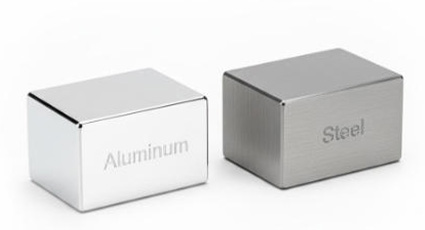
Thermal conductivity is an important property when selecting materials for applications where heat dissipation or insulation is crucial. Aluminum excels in this regard, with a thermal conductivity of about 235 W/m·K, which is significantly higher than that of steel. Aluminum can transfer heat more efficiently, and is the material of choice for heat exchangers, electronics cooling, and aerospace applications where fast heat dissipation is required to prevent overheating.
In contrast, steel has a much lower thermal conductivity, generally around 50 W/m·K, which makes it less effective at conducting heat. This property can be advantageous in certain applications where heat retention is needed, such as in furnaces or engine blocks, where steel’s ability to retain heat helps maintain stable operating temperatures.
Corrosion resistance is a crucial consideration when choosing materials for products exposed to environmental factors like moisture, salt, and chemicals. Aluminum naturally forms a protective oxide layer on its surface when exposed to air, which makes it highly resistant to corrosion. This oxide layer provides a barrier that protects the metal beneath from further degradation. Aluminum’s corrosion resistance is particularly beneficial in industries such as marine, aerospace, and electronics, where long-term durability in harsh conditions is required.
On the other hand, steel is more prone to corrosion and rusting when exposed to moisture and air. Without protective treatments, steel will quickly corrode, especially in saltwater environments. To prevent this, steel components are often coated with protective layers such as galvanization, powder coating, or painting. While these coatings significantly enhance steel’s resistance to corrosion, they still require maintenance over time to ensure long-term protection. Despite its inherent susceptibility to corrosion, steel is often used in environments where its strength and durability outweigh the need for extreme corrosion resistance.
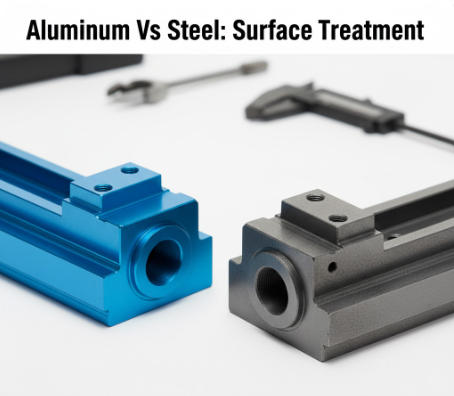
Aluminum is known for its excellent corrosion resistance thanks to its natural oxide layer. This layer can be enhanced further by the anodizing process, which not only increases its corrosion resistance but also allows for aesthetic finishes, such as color anodizing. These characteristics make aluminum ideal for industries like electronics or consumer goods, where long-term durability and an appealing finish are important.
In contrast, steel requires additional surface treatments to protect it from corrosion. Due to its susceptibility to rust, steel components are typically galvanized, powder-coated, or painted to ensure long-lasting protection, particularly for applications exposed to harsh conditions like outdoor or marine environments. Without these coatings, steel would be prone to degradation over time.
When comparing the machining costs of aluminum and steel, aluminum generally has the advantage due to its ease of machining. Aluminum is softer and more malleable than steel, making it quicker and less expensive to cut, drill, and shape. This results in lower labor and tool wear costs, which can be beneficial when producing intricate or small components in large quantities.
Steel is more expensive both in terms of raw material and the additional effort required to machine it. Steel is harder and more challenging to cut, meaning higher tooling costs, slower machining speeds, and more machining time. While the initial cost of steel may be higher, its superior strength and durability may justify the cost in applications where long-term performance is critical.
Both aluminum and steel are recyclable, making them sustainable options for industries focused on reducing environmental impact. Aluminum, however, tends to have a lower carbon footprint in terms of production, particularly when recycled. Recycling aluminum uses just a fraction of the energy required to produce new aluminum, making it a more energy-efficient material in the long run. The lightweight nature of aluminum also contributes to energy savings in transport and fuel efficiency in automotive or aerospace applications.
On the other hand, steel requires more energy to produce, particularly during the initial processing stages. While steel production is energy-intensive, it is incredibly durable and long-lasting, reducing the need for replacements and repairs. Therefore, the long lifespan of steel components can offset its higher initial environmental cost, particularly in sectors like construction or heavy machinery, where durability is paramount.
Aluminum is often the material of choice in industries where weight is a critical factor. In the aerospace industry, for example, aluminum is used extensively for structural components such as fuselage panels and aircraft wings. Its lightweight nature helps improve fuel efficiency and overall performance in flight. Additionally, aluminum’s natural corrosion resistance makes it ideal for components exposed to the elements.
In contrast, steel is favored in applications requiring high strength and load-bearing capacity. For instance, in the automotive industry, steel is used in engine blocks, suspension systems, and chassis where toughness and durability are needed. Steel’s ability to withstand extreme conditions and heavy stresses makes it indispensable in industries like construction and heavy machinery.
| Aspect | Aluminum | Steel |
|---|---|---|
| Weight | Lightweight and easy to handle, ideal for projects where reducing mass is important. | Heavy and dense, suitable for parts where strength is the top priority. |
| Strength | Offers a good strength-to-weight ratio for medium-load applications. | Extremely strong and durable for high-stress and load-bearing parts. |
| Thermal Conductivity | Excellent heat dissipation for electronic and aerospace components. | Retains heat well for engines and structural uses. |
| Corrosion Resistance | Naturally resists corrosion, suitable for outdoor and marine environments. | Requires protective coatings to prevent rust and degradation. |
| Surface Treatment | Can be anodized for added protection and visual appeal. | Commonly galvanized, painted, or powder-coated for corrosion resistance. |
| Machinability and Cost | Easy and fast to machine with lower tooling and production costs. | More difficult and expensive to machine due to higher hardness. |
| Sustainability | Highly recyclable with lower energy consumption during recycling. | Also recyclable and valued for its long lifespan and durability. |
| Applications | Used in aerospace, automotive, electronics, and consumer products. | Used in automotive, construction, machinery, and heavy equipment. |
Aluminum is the preferred option for projects where weight reduction, corrosion resistance, and efficient machining are crucial. Its lightness makes it ideal for aerospace components, automotive parts, and electronics housings where every gram matters. The excellent machinability of aluminum allows faster production with lower tooling costs, making it perfect for prototypes, precision components, and products that require a fine surface finish. In environments exposed to moisture or outdoor conditions, aluminum’s natural resistance to corrosion ensures long-term performance with minimal maintenance.
Steel is the right choice for applications that demand high strength, rigidity, and durability. It performs exceptionally well under heavy loads, high temperatures, and mechanical stress, making it indispensable in industries like automotive, construction, and heavy machinery. Steel offers superior wear resistance and a longer service life, even in tough working conditions. Though more difficult to machine and heavier than aluminum, its strength and stability make it the best material for structural components, tools, and parts where maximum reliability and safety are essential.
At VMT, we specialize in providing customized CNC machining services for both aluminum and steel parts. Whether you’re in need of precision parts for the automotive, electronics, or medical industries, we have the experience and technology to deliver parts that meet your exact specifications. With over 15 years of expertise and cutting-edge equipment, we can help bring your project to life with unmatched precision and quality.
More Resources:
Aluminum vs Stainless Steel
7075 Billet Aluminum vs 4140 Steel: A Difference Guide
Cast Aluminum vs Forged Aluminum: A Guide to the Differences
Choosing between aluminum and steel for your CNC machining project depends on your specific requirements. Consider factors such as weight, strength, corrosion resistance, and machining cost to determine the best material for your application. At VMT, we can assist you in making the right choice and provide high-quality, precision CNC machining services tailored to your needs. Contact us now to get a free CNC machining quote!
Why is aluminum used instead of steel?
Aluminum is preferred over steel in many applications due to its lightweight, corrosion resistance, and better thermal conductivity. It is ideal for industries like aerospace and automotive, where weight reduction is crucial for fuel efficiency and performance. Aluminum’s malleability also makes it easier to shape into complex designs.
Why is aluminum worth more than steel?
Aluminum tends to be more expensive than steel due to its higher production costs, especially in raw material extraction and refining processes. Aluminum also requires more energy for processing and is less abundant compared to steel, contributing to its higher market price.
Is aluminum stronger than steel?
No, steel is generally stronger than aluminum in terms of tensile strength. However, aluminum has a better strength-to-weight ratio, meaning it can achieve similar strength at a significantly lighter weight. This makes aluminum ideal for applications where lightness is important, such as in aerospace and sports equipment.


 4 Washer Types: Material and Application